
Italy's Open-Air Tourism Revolution Defeats Travel Chaos as Millions Bypass Congested Hubs for Vineyards and Coasts
Breaking tourism news: Italy experiences a massive surge in open-air tourism, offering global travelers a tranquil escape from severe airport disruptions and systemic travel chaos.

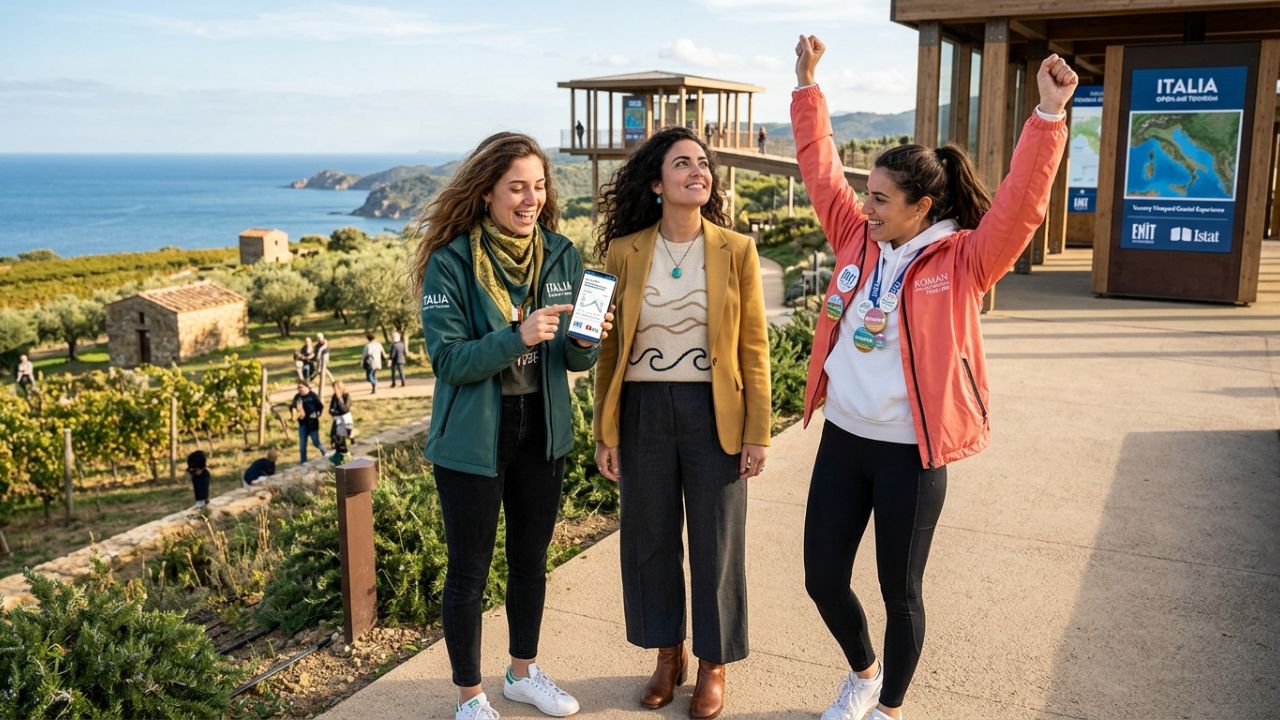
Image representing Italy's powerful open-air tourism revolution, where travelers are actively bypassing severe airport disruptions and the systemic travel chaos of major cities in favor of serene coastal reserves, agritourism estates, and alpine sanctuaries. (Image Credit: Italian Tourism Tracking)
Italy's Open-Air Tourism Revolution Defeats Travel Chaos as Millions Bypass Congested Hubs for Vineyards and Coasts
A Massive Shift Toward Nature-Based Travel Insulates Italy from Global Aviation Volatility
The European summer travel season is currently fracturing under the intense pressure of mass-market urban tourism, but Italy is successfully engineering a brilliant escape route. According to the latest breaking airline news and strategic aviation updates, relentless systemic travel chaos, debilitating terminal gridlock, and sudden flight cancellations are severely degrading the passenger experience across primary global gateways. In direct response to this logistical misery, Italy is witnessing an unprecedented, massive surge in open-air tourism. High-income travelers are actively abandoning highly congested urban centers and indoor attractions, aggressively shifting their itineraries toward nature-based, low-density travel experiences. This massive redirection of passenger flow toward coastal promenades, rural agritourism estates, archaeological parks, and mountain trails is allowing Italy to efficiently disperse tourists, heavily mitigating the severe airport disruptions that plague the country's major urban transit hubs.
Official data tracking this massive behavioral shift confirms the strategy is working. According to tourism bodies such as ENIT (the Italian National Tourist Board) and national statistical frameworks like ISTAT, Italy’s tourism landscape is evolving rapidly beyond the traditional city break. While massive global gateways serving Rome, Venice, and Florence continue to attract immense passenger volumes, the surrounding open-air experiences are now serving as the primary anchor for travel decisions. By deliberately pulling tourists out of overcrowded city centers and redirecting them into expansive rural environments, Italy is providing a cleaner, safer, and far more resilient travel experience. Travelers seeking slower rhythms and immersive local cultures are discovering that avoiding the urban core entirely is the absolute best defense against the paralyzing travel chaos infecting modern commercial transit.
Section-Wise Breakdown: The Anatomy of Italy’s Open-Air Strategy
The aggressive expansion of open-air tourism highlights a highly calculated national effort designed to protect the traveler experience and diversify the economy:
Coastal Defenses Against Terminal Gridlock Italy’s incredibly long, dramatic coastline has emerged as one of its strongest structural tourism assets. From the breathtaking cliffs of the Amalfi Coast to the pristine sandy beaches of Puglia and Sardinia, open-air coastal tourism is expanding at a massive rate. Government-supported tourism reports highlight that visitors are overwhelmingly opting for outdoor leisure activities such as seaside walking routes, elite boat excursions, and marine reserves. These sprawling outdoor environments allow travelers to completely avoid overcrowded indoor attractions and congested urban infrastructure while still experiencing Italy’s cultural richness. Coastal towns are actively investing heavily in pedestrian-friendly promenades and cycling routes, capitalizing on the warm Mediterranean climate to permanently extend the tourism season beyond the chaotic summer peak.
Agritourism as the Ultimate Escape One of the absolute strongest growth sectors serving as a refuge from mass tourism is Italy's booming agritourism industry. Sprawling rural farms, elite vineyards, lush olive groves, and massive countryside estates are attracting millions of international travelers seeking authentic, low-density experiences. In highly demanded regions such as Tuscany, Umbria, and Emilia-Romagna, premium agritourism properties offer incredible local cuisine and hands-on farming experiences, including grape harvesting, olive oil production, and traditional cooking classes. This form of tourism brilliantly balances visitor distribution, drastically reducing the intense infrastructural pressure on major cities. The countryside is no longer viewed as secondary; it is the primary attraction for families and long-stay travelers demanding peace.
Heritage Parks and Alpine Sanctuaries Italy’s rich historical landscape is increasingly being monetized outdoors. Massive Roman archaeological zones, medieval villages, and sprawling Renaissance gardens are seeing skyrocketing visitor numbers as tourists engage with history in natural, unconfined settings. Simultaneously, Northern Italy’s alpine regions and lake districts are heavily contributing to the open-air revolution. Destinations deeply embedded in the Alps and Dolomites are attracting massive volumes of hikers, cyclists, and adventure travelers for year-round activities like trekking and skiing. The iconic lake destinations—Lake Garda, Lake Como, and Lake Maggiore—are experiencing immense demand for outdoor recreation, including sailing and lakeside cycling, strongly supported by government investments in green transport infrastructure.
Tourism Infrastructure Details: The Open-Air Destination Matrix
To provide exact, factual clarity on how this sustainable dispersal model operates, tourism analysts have mapped the specific destinations driving the Italian open-air economy. The following factual matrix details the precise breakdown of the key regions:
Factual Italian Open-Air Tourism Destination Matrix
| Tourism Sector | Key Destinations & Regions | Primary Activities |
|---|---|---|
| Coastal Tourism | Amalfi Coast, Puglia, Sardinia | Seaside walking routes, boat excursions, marine reserves |
| Agritourism (Rural) | Tuscany, Umbria, Emilia-Romagna | Grape harvesting, olive oil production, cooking classes |
| Lake Destinations | Lake Garda, Lake Como, Lake Maggiore | Sailing, lakeside walking, cycling routes |
| Alpine / Mountain | The Alps, The Dolomites | Hiking, trekking, skiing, adventure travel |
| Heritage / History | Nationwide Archaeological Parks | Exploring Roman zones, medieval villages, Renaissance gardens |
Data reflects the diverse, low-density open-air tourism models actively operating across Italy. (Source: ENIT / ISTAT)
Passenger Impact: Escaping the Volatility of Mass Transit
For the modern international traveler, the shift toward open-air Italian tourism represents the ultimate evasion tactic against absolute travel chaos. When massive airport disruptions and rolling flight cancellations generate extreme logistical anxiety at major gateways like Rome Fiumicino or Milan Malpensa, passengers are increasingly desperate to escape the urban crush. The expected impacts of this open-air revolution include a massive growth in demand for secondary regional airports and specialized rail connections that service rural estates. By choosing destinations like the Dolomites or rural Umbria, travelers actively bypass the intense psychological friction associated with volume-driven urban tourism. They trade the misery of overcrowded city centers for the immense natural beauty of a sustainable rural sanctuary, drastically improving their overall vacation experience.
Industry Analysis: Data-Driven Structural Policies
The explosive growth of open-air tourism across Italy is not accidental; it is heavily engineered and supported by structured policies from Italian tourism authorities. According to ENIT and definitive data from ISTAT, there is a steady, undeniable growth in non-urban tourism segments. Local governments are pouring capital into infrastructure upgrades—specifically walking trails, cycling networks, eco-parks, and digital tourism services—to make outdoor tourism highly accessible. Italy’s ultimate tourism recovery strategy focuses intensely on dispersing tourist flows beyond major cities, effectively neutralizing the threat of urban overtourism while injecting vital economic capital into smaller, rural communities.
Conclusion: Italy Secures the Future of Sustainable Travel
The massive surge in open-air tourism across Italy serves as a definitive turning point for sustainable European travel. By perfectly leveraging its sprawling coastlines, elite agritourism estates in Tuscany, and breathtaking alpine lakes, Italy has established the ultimate model for dispersing tourists and preventing critical infrastructure failure. As the global commercial transit grid continues to struggle with capacity failures and relentless travel chaos, international travel demand is violently shifting toward these authentic, low-impact experiences. Moving forward, resilient, sustainable sanctuaries from the Amalfi Coast to Lake Como are expected to dominate the European travel market, gaining massive international recognition and offering tourists a flawless escape from the volatility of modern commercial aviation. (Source: ENIT via Nomad Lawyer)
Key Takeaways
- Massive Open-Air Shift: Italy is experiencing a powerful surge in open-air tourism as travelers actively abandon crowded urban centers.
- Agritourism Boom: Regions like Tuscany, Umbria, and Emilia-Romagna are leading a massive boom in rural farm stays, grape harvesting, and olive oil production.
- Coastal Expansion: The Amalfi Coast, Puglia, and Sardinia are aggressively expanding eco-friendly infrastructure and seaside walking routes.
- Alpine & Lake Dominance: The Alps, Dolomites, Lake Garda, Lake Como, and Lake Maggiore are driving immense year-round outdoor adventure tourism.
- Bypassing the Gridlock: Low-density, open-air destinations offer travelers a highly resilient escape from systemic mass-market travel chaos and major airport disruptions.
✈️ Frequently Asked Questions (Factual Tourism & Aviation Data)
Which official organizations are tracking this massive shift toward open-air tourism in Italy? The massive surge in open-air tourism demand is being officially tracked and verified by tourism bodies such as ENIT (Italian National Tourist Board) and national statistical frameworks like ISTAT.
Which traditional Italian cities are tourists shifting away from in favor of open-air experiences? While they remain popular, tourists are actively shifting their primary focus away from overcrowded indoor attractions in major urban hubs like Rome, Venice, and Florence.
Which coastal regions are specifically highlighted for massive open-air tourism growth? Open-air coastal tourism is expanding rapidly across the dramatic cliffs of the Amalfi Coast and the sprawling sandy beaches of Puglia and Sardinia.
What specific regions are driving the massive boom in Italian agritourism? Agritourism is experiencing massive growth across the rural countryside estates of Tuscany, Umbria, and Emilia-Romagna.
What types of hands-on activities are offered at these agritourism properties? Travelers at these properties actively participate in traditional activities including grape harvesting, olive oil production, and authentic cooking classes.
Which specific lakes in Northern Italy are experiencing immense outdoor recreation demand? Lake destinations experiencing massive demand for outdoor recreation include Lake Garda, Lake Como, and Lake Maggiore.
What specific mountain regions are attracting adventure travelers for year-round activities? Destinations near the Alps and the Dolomites are heavily attracting hikers, cyclists, and adventure travelers for trekking and skiing.
How does this open-air tourism strategy impact Italy's broader economic goals? The strategy effectively disperses tourist flows beyond major cities, which heavily reduces urban overcrowding while injecting vital economic support into smaller, rural communities.
🌍 Related Travel Guides & Flight Resources
- Navigate Airport Disruptions Like a Pro Master the art of surviving unexpected travel chaos with our expert strategies.
- Breaking Airline News & Evasion Routes Stay ahead of the delays with our real-time aviation updates and route intelligence.
- Global Flight Cancellation Defense Grid Essential legal rights and compensation tactics when your flight goes down.
⚖️ Disclaimer
The tourism expansion statistics, open-air destination overviews, and regional data provided in this report are for informational purposes only. The specific operational frameworks regarding the sustainable development of coastal routes, agritourism estates (Tuscany/Umbria), and alpine lake districts are subject to ongoing development by national tourism authorities. All data regarding the shift in visitor behavior has been officially sourced from ENIT and ISTAT as of June 2026. NomadLawyer does not guarantee the absolute accuracy or current validity of the information provided and assumes no liability for shifting global tourism trends, travel disruptions, missed connections, sudden flight cancellations, or any financial consequences resulting from the use of this content. Travelers planning Italian itineraries are strongly advised to monitor real-time aviation updates and coordinate directly with official regional portals.
Disclaimer
This article is for informational and educational purposes only. It does not constitute legal, financial, or professional advice. While we strive to provide accurate and up-to-date information, travel policies, regulations, and conditions change rapidly. Always verify information with official sources before making travel decisions. Nomad Lawyer makes no representations about the accuracy, reliability, completeness, or suitability of the information provided. Readers should consult qualified professionals for advice specific to their circumstances. The views expressed in this article are those of the author and do not necessarily reflect the views of Nomad Lawyer.
Kunal K Choudhary
Co-Founder & Contributor
A passionate traveller and tech enthusiast. Kunal contributes to the vision and growth of Nomad Lawyer, bringing fresh perspectives and driving the community forward.
Learn more about our team →