
Historic Pan Am Terminal at JFK Airport Faces Demolition as Aviation's Golden Age Fades Into History
Breaking airline news and aviation industry updates for 2026.

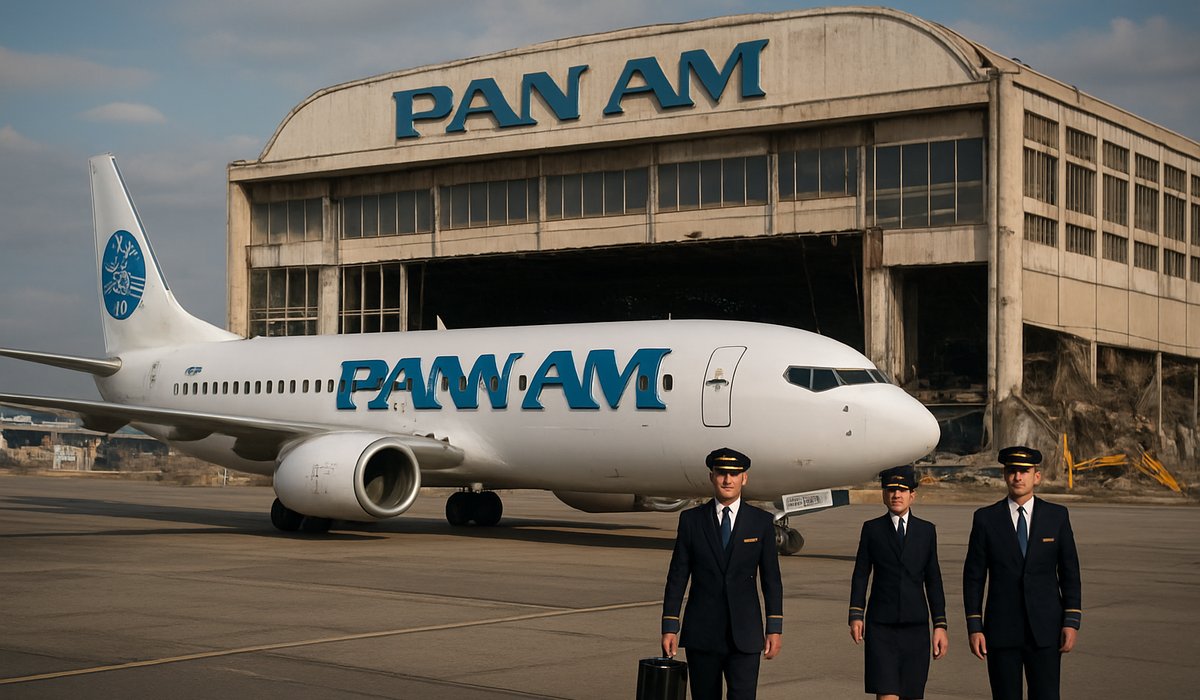
Image generated by AI
Historic Pan Am Terminal at JFK Airport Faces Demolition as Aviation's Golden Age Fades Into History
The last surviving structure from Pan American World Airways' New York headquarters will be dismantled, erasing a tangible symbol of mid-century transatlantic aviation dominance
An Iconic Gateway Disappearing
The final architectural remnant of Pan American World Airways' legendary presence at John F. Kennedy International Airport is scheduled for demolition, marking the symbolic end of an era when a single carrier defined American prestige and global connectivity. The structure, which once served as the operational heart of the world's most celebrated airline during the peak of intercontinental travel, will soon be razed as the aviation landscape continues its relentless modernization.
From Pan Am Dominance to Contemporary Fragmentation
Fifty years ago, JFK's tarmac told a vastly different story. The airfield functioned as the undisputed stronghold of Pan American World Airways, the carrier that pioneered the modern transatlantic route and established the gold standard for long-haul service. The airline transformed New York into its primary global hub, serving as America's unofficial ambassador to international aviation.
Today's JFK bears little resemblance to that Pan Am-dominated era. The airport now hosts a fragmented coalition of carriers—Delta Air Lines, JetBlue Airways, American Airlines, and virtually every major international airline seeking access to the New York market—competing fiercely for terminal space and passenger loyalty.
Cultural and Historical Significance
Pan American World Airways transcended its operational role during the mid-to-late 20th century, evolving into a cultural institution that embodied American technological prowess and cosmopolitan sophistication. The carrier's iconic "Clippers"—sleek, long-range aircraft that revolutionized intercontinental travel—became synonymous with luxury journeys across the Atlantic and Pacific.
The now-defunct airline's New York operations symbolized an era when air travel represented aspiration and adventure, before the industry's shift toward mass-market economics, budget carriers, and ancillary revenue models like baggage fees and seat selections that define contemporary aviation.
The End of an Aviation Epoch
Pan American World Airways ceased operations in 1991, unable to withstand economic pressures that ultimately reshaped the entire industry. The forthcoming demolition of its final structural legacy at America's busiest international gateway underscores how comprehensively the aviation sector has transformed—from the dominance of full-service flagship carriers to today's fragmented ecosystem.
The removal of this building represents more than urban redevelopment; it marks the physical erasure of an architectural record documenting aviation's most celebrated chapter, when a single airline could define a nation's international presence and capture public imagination through unparalleled service standards and groundbreaking routes.
FAQ: Pan Am History and Aviation Heritage
What was Pan American World Airways, and why was it significant? Pan Am was the dominant American intercontinental carrier of the 20th century, pioneering long-haul routes and establishing the gold standard for international service before its closure in 1991.
Why is the JFK Pan Am terminal being demolished? Modern airport operations and contemporary carrier needs have rendered the historic structure surplus to current requirements, prompting airport authorities to redevelop the space.
How did Pan Am's decline affect the airline industry? Pan Am's collapse accelerated industry consolidation, the rise of hub-and-spoke models, and the eventual shift toward low-cost carrier economics that define modern aviation.
What happened to Pan Am's routes after the airline closed? Other carriers absorbed Pan Am's most profitable transatlantic and transpacific routes, fundamentally reshaping international aviation markets and competition patterns.
Are other Pan Am structures still standing? Limited architectural remnants survive, though the JFK terminal represented one of the most historically significant operational facilities from the carrier's heyday.
Related Travel Guides
Flight Delay Compensation Guide 2026
Understanding Airline Route Changes
Airport Security Process Updated (2026)
External Resources
Disclaimer
This article is for informational and educational purposes only. It does not constitute legal, financial, or professional advice. While we strive to provide accurate and up-to-date information, travel policies, regulations, and conditions change rapidly. Always verify information with official sources before making travel decisions. Nomad Lawyer makes no representations about the accuracy, reliability, completeness, or suitability of the information provided. Readers should consult qualified professionals for advice specific to their circumstances. The views expressed in this article are those of the author and do not necessarily reflect the views of Nomad Lawyer.
Kunal K Choudhary
Co-Founder & Contributor
A passionate traveller and tech enthusiast. Kunal contributes to the vision and growth of Nomad Lawyer, bringing fresh perspectives and driving the community forward.
Learn more about our team →