Pakistan Airlifts 100 Tonnes of Emergency Aid to Kathmandu as Bhotekoshi River Floods Disrupt Northern Nepal Travel Corridors 2026

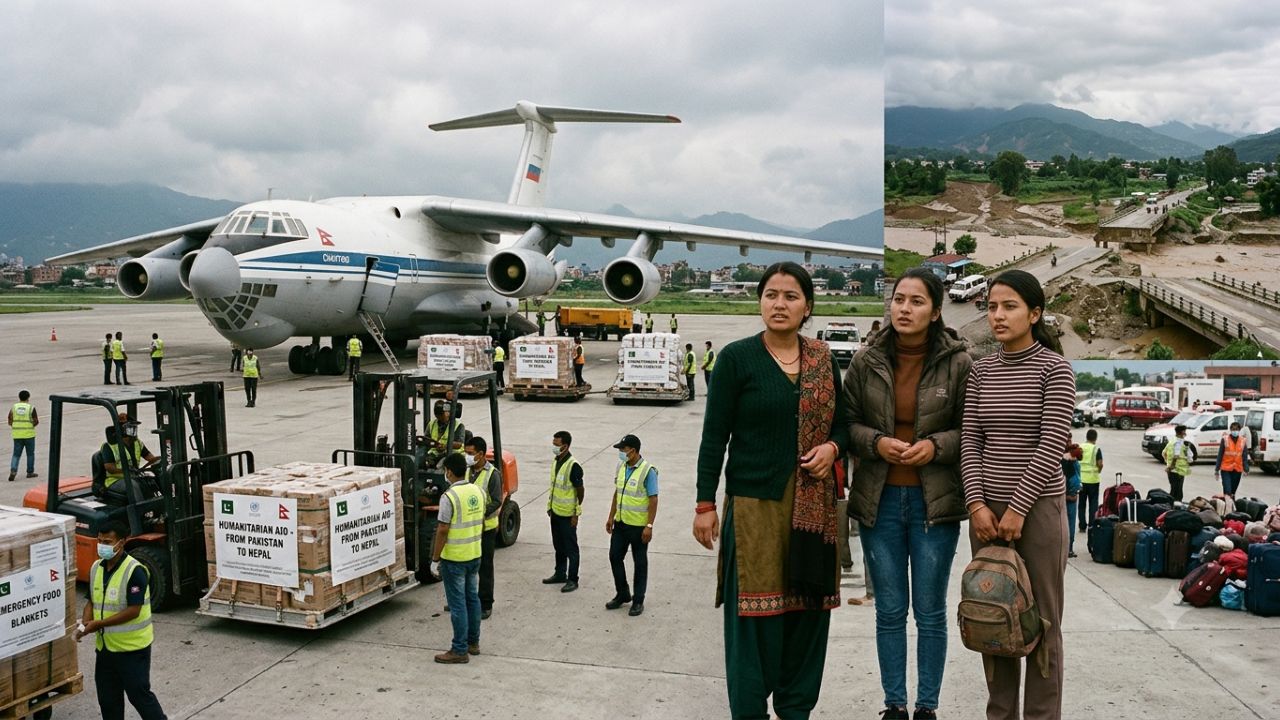
Image generated by AI
Following a catastrophic ice-rock avalanche that triggered severe flash floods down the Bhotekoshi River, Pakistan has dispatched a chartered relief flight delivering 100 tonnes of humanitarian assistance from Islamabad to Kathmandu. The disaster has destroyed key mountain bridges and road arteries across northern and central Nepal, leaving thousands dead or missing and stranding international tourists across remote Himalayan trekking corridors.
Glacial Surge on Bhotekoshi River Triggers Severe Nepal Transit Disruption
The crisis originated in northern Nepal near the border region, where a sudden ice-rock avalanche released a torrent of water and mountain debris into the Bhotekoshi River. The resulting flash floods swept through central and northern river valleys, severing overland transport links that connect Kathmandu to major high-altitude trekking routes and cultural heritage corridors.
In response to the emergency, international aid efforts mobilized rapidly. The government of Pakistan, through its National Disaster Management Authority (NDMA), dispatched a 100-tonne relief consignment aboard a chartered cargo flight operating from Islamabad International Airport (ISB) directly to Tribhuvan International Airport in Kathmandu. Pakistani representatives officially handed over the cargo to Nepalese disaster authorities to support immediate stabilization efforts across affected mountain districts.
The sudden loss of bridges and highway sections has left domestic and international travelers stranded in remote valleys. Local power grids and telecommunication towers sustained extensive structural damage, preventing visitors from communicating with tour operators or consular officers. Destination management companies have suspended all regional excursions and enacted emergency evacuation protocols.
Transit Schedule & Route Specifications
Search and rescue operations, paired with heavy cargo relief airlifts, have temporarily altered air traffic priorities across Nepalese airspace. The table below details key transit corridors, operating statuses, and logistical parameters following the disaster.
| Route / Transport Corridor | Operating Status | Transit Capacity & Logistics Parameter | Impacted Travel Sector |
|---|---|---|---|
| Islamabad (ISB) to Kathmandu (KTM) | Active Relief Corridor | Chartered flight carrying 100 tonnes of NDMA humanitarian relief goods | Cargo & Emergency Airlift Operations |
| Tribhuvan International Airport (KTM) | Operational with Delays | Priority slot allocation given to military and humanitarian relief flights | Commercial Domestic & International Air Travel |
| Bhotekoshi River Highway & Bridges | Severed / Closed | Total structural destruction of road surfaces and crossing infrastructure | Overland Transit & Trekking Support |
| Northern & Central Trekking Routes | Restricted / Suspended | Temporary closure of national parks pending structural safety audits | Adventure Tourism & Mountain Excursions |
| Regional Domestic Air Corridors | Sporadic Cancellations | Air assets redirected toward search, rescue, and evacuation missions | High-Altitude Domestic Transfers |
Nepal Traveler Logistics Guide: Navigating Evacuations and Airport Connections
Travelers currently in Nepal or planning essential travel to the region must navigate severe operational bottlenecks caused by infrastructure damage and emergency air traffic priorities.
Managing Flight Connections at Kathmandu (KTM)
Commercial travelers departing or connecting through Tribhuvan International Airport should prepare for unexpected ground delays. Because air traffic control is prioritizing emergency cargo flights—such as the 100-tonne Pakistani relief charter—and military search-and-rescue sorties, commercial domestic and international departures face intermittent holding patterns.
- Optimal Layover Buffer: Maintain a minimum connection window of 4 to 6 hours between domestic transfers and long-haul international flights out of Kathmandu.
- Terminal Navigation: Arrive at Tribhuvan International Airport at least 4 hours prior to scheduled international departures. Check live flight monitors, as gate assignments and boarding times may shift rapidly.
Digital Transit Policies and Offline Documentation
Widespread power grid and cellular network outages across northern disaster zones mean digital travel tools may become temporarily inaccessible.
- Offline Access: Save digital copies of passports, visas, flight itineraries, and travel insurance policies directly to device local storage. Carry printed hard copies in waterproof casings.
- Embassy Registration: Register immediate presence and location coordinates via official consular portals (such as the U.S. Smart Traveler Enrollment Program or equivalent national registry systems).
Ticketing Protections and Rescheduling Frameworks
Major airlines operating in South Asia treat natural disaster disruptions under "Force Majeure" provisions.
- Flexible Rebooking: Contact airlines or travel agents to request fee-free date changes or open-ended ticket holds. Avoid canceling tickets outright until verifying whether carrier policy guarantees full cash refunds under emergency advisories.
- Insurance Documentation: Obtain written statements from tour operators or local transport authorities confirming route closures to support trip interruption and emergency evacuation insurance claims.
Infrastructure Impact Assessment: Climate Resilience and Regional Connectivity
The loss of critical transit links along the Bhotekoshi River underscores the acute vulnerability of mountain transportation networks to climate-induced hazards. Rebuilding destroyed bridges and mountain highways will require substantial capital investment and updated engineering standards designed to withstand sudden glacial outbursts.
From an economic perspective, Nepal's tourism and hospitality sector faces significant immediate losses. Accommodation providers, trekking guides, and local vendors in northern districts are contending with mass cancellations during peak travel windows. Tourism boards and civil aviation authorities are conducting structural safety assessments before reopening national parks and high-altitude hiking corridors.
Unlike past disaster responses that experienced delays due to localized bureaucratic processes, the current crisis highlights a streamlined international response model. The rapid deployment of Pakistan's 100-tonne airlift, coupled with global appeals, demonstrates enhanced regional coordination aimed at restoring vital transit corridors and safeguarding international visitors.
Frequently Asked Questions: Nepal Flood Travel Disruptions 2026
Is Tribhuvan International Airport in Kathmandu open for commercial flights?
Yes, Tribhuvan International Airport remains open, but commercial flights are experiencing sporadic delays due to priority handling for military rescue flights and international relief charters carrying emergency supplies.
What should travelers in northern Nepal do if stranded by road closures?
Stranded travelers should stay in safe accommodation, avoid flooded riverbanks, monitor diplomatic advisories, and contact their local embassy or tour operator to coordinate emergency evacuation protocols.
Are trekking permits and national park entrances currently valid?
Several national parks and trekking routes in northern and central Nepal have been temporarily closed while authorities inspect bridges and trail safety. Check with local destination management organizations before starting any trek.
Related Travel Guides
This article is for informational purposes. Flight routes, passenger regulations, visa rules, and transit advisories are subject to change by airlines and aviation authorities. Readers are advised to verify schedules and travel documentation with relevant carriers and border agencies before departure.
Related Stories

European Mass Protests Disrupt Travel Across France, Italy, Belgium, and Turkey in 2026

Israel Tourism Recovery 2026: North American Flight Restorations and New ETA-IL Entry Rules