
National Forest Kentucky Alternative: Skip Smoky Mountains Crowds
Discover Kentucky's hidden national forest gem offering pristine hiking trails and solitude in 2026. Experience comparable natural beauty to Great Smoky Mountains without the overwhelming crowds.

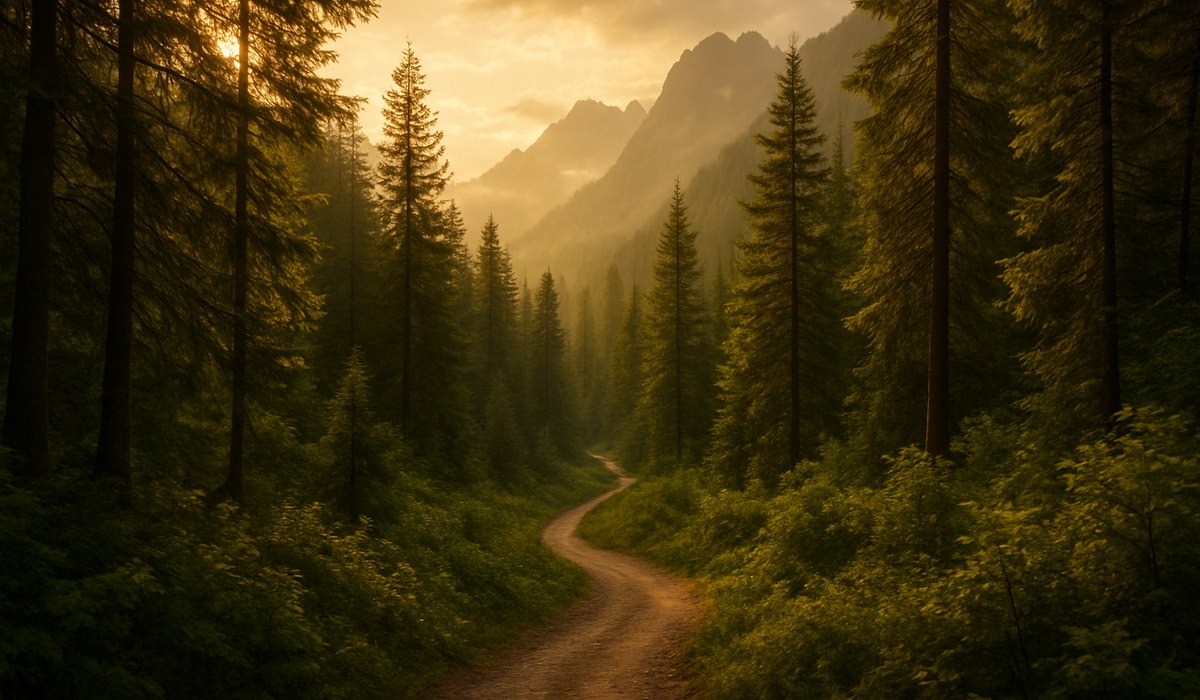
Image generated by AI
Why Great Smoky Mountains Gets Overcrowded
Great Smoky Mountains National Park draws over 12 million visitors annually, making it America's most visited national park. The accessibility and fame create bottlenecks on popular trails, crowded parking areas, and limited wilderness experiences. Peak season stretches from May through October, with summer months registering particularly intense foot traffic. Many travelers assume major parks offer the only authentic hiking experiences, missing equally stunning alternatives within a few hours' drive.
The infrastructure simply cannot accommodate everyone comfortably. Trail permits become competitive, scenic overlooks fill with tourists, and the peaceful solitude most hikers seek becomes elusive. For those prioritizing tranquility alongside natural beauty, the national forest Kentucky alternative presents an attractive solution.
Introducing Kentucky's Lesser-Known National Forest Gem
Daniel Boone National Forest spans 709,000 acres across eastern Kentucky, offering dramatic sandstone cliffs, pristine waterways, and diverse ecosystems. This expansive wilderness attracts a fraction of Great Smoky Mountains' visitors despite comparable geological features and biodiversity. The forest features ancient rock formations, cascading waterfalls, and panoramic ridgeline vistas that rival more famous destinations.
Located within three to four hours of major population centers, Daniel Boone remains surprisingly undiscovered by mainstream tourism circuits. The park maintains multiple developed recreation areas alongside vast backcountry zones. Facilities include well-maintained camping grounds, picnic areas, and ranger stations without the gridlock typical of national parks. The hiking trails wind through temperate forests featuring diverse plant species, wildlife corridors, and seasonal wildflower displays.
Accessibility remains straightforward despite lower visitation. Primary access points include Ky-15, Ky-52, and US-25, with ample parking at trailheads. The national forest operates under Forest Service management rather than National Park Service protocols, allowing increased recreational flexibility for campers and backpackers seeking extended wilderness immersion.
Best Hiking Trails and Camping Spots
Daniel Boone National Forest contains over 300 miles of hiking trails ranging from leisurely two-mile walks to challenging multi-day backpacking routes. The Red River Gorge Scenic Area showcases the most dramatic geography, featuring towering rock arches, narrow canyons, and thrilling overlook trails.
Popular hiking destinations include:
The Rough Trail offers moderate difficulty with stunning viewpoints across valley expanses. Graveyard Fields Trail provides accessible walking suitable for families. Indian Staircase climbs scenic stone formations with rewarding summit panoramas. Wildcat Trail delivers challenging terrain through pristine wilderness for experienced hikers seeking solitude.
Camping opportunities range from developed campgrounds with amenities to primitive backcountry sites requiring self-sufficiency. Torrent Creek, Bear Creek, and Buckhorn Lake campgrounds offer facilities including water, restrooms, and fire pits. Backcountry permits enable wilderness camping throughout designated zones, providing authentic forest immersion. Camping at developed facilities typically costs eight to fifteen dollars nightly, substantially less than comparable national park options.
The low-crowd environment means trail availability remains consistent throughout peak seasons. Parking seldom becomes problematic, and hikers encounter minimal human traffic even on weekends. This accessibility encourages spontaneous exploration and extended wilderness experiences without advance reservation stress.
Planning Your Less-Crowded Getaway
Visiting Daniel Boone National Forest requires minimal advance planning compared to Great Smoky Mountains, where popular trails necessitate early-morning starts or permits. The national forest Kentucky alternative welcomes walk-up visitors with reasonable confidence of securing parking and trail access.
Spring presents ideal conditions with comfortable temperatures and blooming wildflowers. Summer offers green canopy coverage but includes higher humidity. Fall delivers spectacular foliage alongside clear weather. Winter transforms the landscape dramatically, with occasional snow creating magical backdrops, though some trails become challenging.
Optimal visit timing targets shoulder seasons: mid-April through May and September through early November. These periods provide pleasant weather while reducing holiday week congestion. Weekday visits significantly enhance solitude regardless of season.
Essential preparation includes downloading topographic maps, checking weather forecasts, and reviewing trail difficulty ratings. The Daniel Boone National Forest website provides comprehensive trail guides and current conditions. Proper footwear, water supplies, and sun protection remain critical. Backcountry overnight trips require wilderness permits available through the Forest Service.
How to Book the Best Fare
Unlike rail-based travel destinations requiring specific booking strategies, accessing this national forest Kentucky alternative primarily involves driving or coordinating ground transportation. However, travelers from distant regions might consider rail connections to nearby transportation hubs.
Amtrak's Cardinal route serves cities within reasonable driving distance to Daniel Boone National Forest. Booking directly through Amtrak or Trainline provides flexible ticket options for multi-day wilderness trips. Ground transportation from major Kentucky cities—Lexington or Louisville—requires rental vehicles or shuttle services reaching trailheads efficiently.
For those prioritizing cost-conscious travel, bus services connect major metropolitan areas to eastern Kentucky communities. Local outfitters arrange guided experiences and equipment rentals, reducing upfront gear investments. Many visitors combine camping with budget accommodations in nearby towns like Winchester or Stanton, spreading expenses across multi-day excursions.
Planning transportation simultaneously with lodging and activity bookings maximizes efficiency. Advance reservations for developed campgrounds recommend booking 4-6 weeks ahead during popular seasons, though Daniel Boone's lower demand typically accommodates last-minute arrivals.
| Feature | Daniel Boone National Forest | Great Smoky Mountains |
|---|---|---|
| Annual Visitors | ~2-3 million | 12+ million |
| Trail Miles | 300+ | 850+ |
| Development Level | Moderate | High |
| Average Trail Wait | Minutes | Hours (peak) |
| Camping Cost (Nightly) | $8-15 | $14-30 |
| Permits Required | Backcountry only | Many day trails |
| Crowd Tolerance | Low-moderate | Very high |
| Seasonal Closures | Minimal | Rare but possible |
| Accessibility (Highway) | Easy | Easy |
| Wilderness Feel | Exceptional | Good |
What This Means for Travelers
Choosing the national forest Kentucky alternative over traditional overcrowded parks offers tangible advantages extending beyond mere aesthetics. Here's how this destination shift benefits your wilderness experience:
-
Increased Solitude: Encounter genuine tranquility on trails, enabling deeper nature immersion and wildlife observation. Fewer humans mean animals remain less skittish and forest soundscapes sound natural rather than background noise beneath constant chatter.
-
Cost Efficiency: Reduce camping fees, parking expenses, and ancillary spending compared to national park infrastructure. Budget-conscious travelers gain substantially when avoiding premium facility charges and shuttle services necessitated by congestion management.
-
Flexible Scheduling: Visit without rigid reservation requirements or time constraints. Spontaneous weekend getaways become feasible without months-ahead planning, expanding travel opportunities for working professionals and families balancing competing commitments.
-
Superior Trail Conditions: Experience well-maintained pathways with minimal overcrowding. Erosion concentrates less intensely, resulting in more sustainable trail conditions and authentic wilderness character preservation.
-
Extended Exploration: Cover greater distances and discover lesser-known features without battling crowds. The vast acreage ensures perpetual new discoveries across multiple visits, building long-term attachment to place and encouraging repeat visitation.
-
Safety Benefits: Reduced foot traffic minimizes accidental encounters and social challenges sometimes emerging in crowded tourism zones. Families with young children find calmer environments supporting focused outdoor education.
FAQ
What makes Daniel Boone National Forest better than Great Smoky Mountains for avoiding crowds?
Daniel Boone attracts significantly
Disclaimer
This article is for informational and educational purposes only. It does not constitute legal, financial, or professional advice. While we strive to provide accurate and up-to-date information, travel policies, regulations, and conditions change rapidly. Always verify information with official sources before making travel decisions. Nomad Lawyer makes no representations about the accuracy, reliability, completeness, or suitability of the information provided. Readers should consult qualified professionals for advice specific to their circumstances. The views expressed in this article are those of the author and do not necessarily reflect the views of Nomad Lawyer.
Kunal K Choudhary
Co-Founder & Contributor
A passionate traveller and tech enthusiast. Kunal contributes to the vision and growth of Nomad Lawyer, bringing fresh perspectives and driving the community forward.
Learn more about our team →