
Idaho Hiking Serene: 500-Acre Community Forest Trail Network Opens 2026
Idaho's expanding 500-acre community forest debuts enhanced trail infrastructure in 2026, attracting hikers and mountain bikers to pristine wilderness. This underrated outdoor destination offers scenic routes for all adventure levels across the Pacific Northwest.

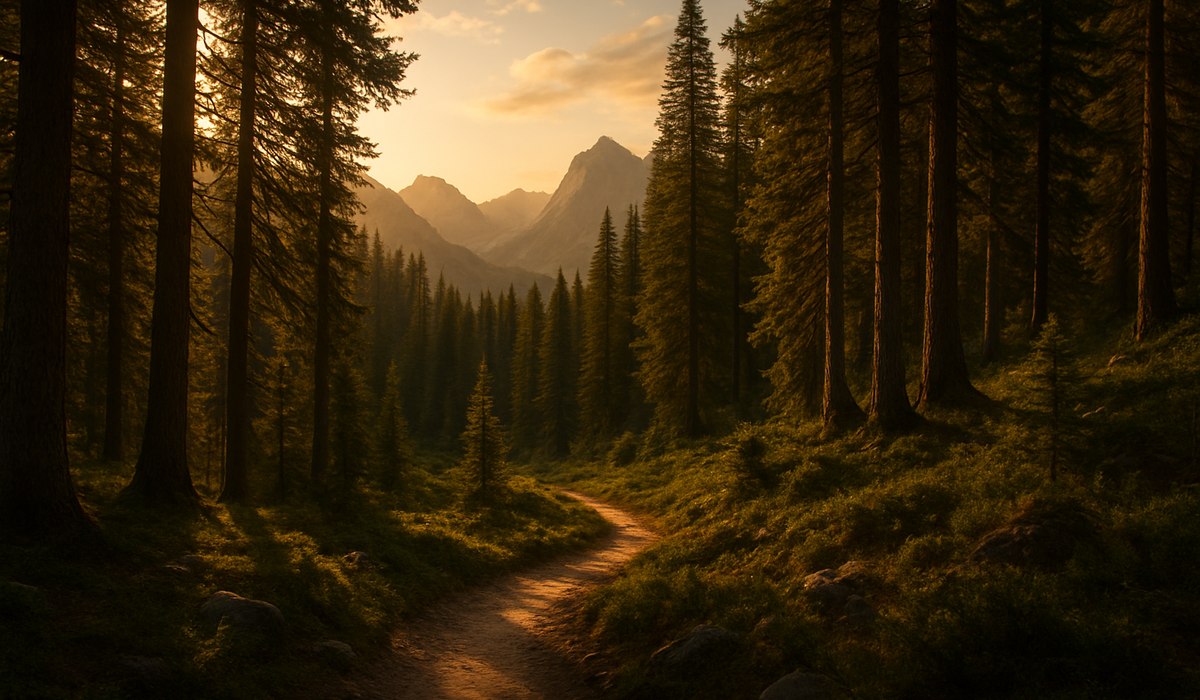
Image generated by AI
Idaho's Community Forest Emerges as Premier Northwest Hiking Destination
Idaho's sprawling 500-acre community forest has quietly established itself as one of the Pacific Northwest's most underrated outdoor havens, featuring an extensive network of meticulously maintained trails perfect for idaho hiking serene experiences. This verdant destination caters to adventure seekers of every ability level, from casual nature walkers to seasoned mountain bikers navigating technical terrain. The forest ecosystem spans diverse elevation zones, creating varied microclimates that support abundant wildlife and seasonal wildflower displays throughout the year.
The community-managed preserve sits strategically positioned to serve both regional travelers and destination visitors seeking authentic wilderness encounters without the crowds of mainstream national parks. Trail maintenance crews have invested substantially in infrastructure improvements during 2026, including enhanced signage, water station placement, and erosion control measures that preserve the delicate forest ecosystem while improving accessibility for outdoor enthusiasts.
Trail Options for Every Skill Level and Adventure Style
The idaho hiking serene forest network accommodates everyone from young families seeking gentle nature walks to expert mountain bikers pursuing adrenaline-pumping descents. Beginner-friendly routes trace valley floors through old-growth timber stands, offering interpretive signage detailing native species identification and geological formation history. These accessible paths typically range from two to five miles round-trip, making them ideal for morning excursions or afternoon exploration sessions.
Intermediate trails climb steadily through mixed conifer and aspen groves, rewarding hikers with panoramic viewpoints overlooking distant mountain ranges. These routes average six to ten miles and feature moderate elevation gain suitable for visitors with baseline fitness levels. Mountain bikers gravitate toward purpose-built singletrack sections that wind through technical terrain, incorporating berms, jumps, and rock gardens designed by professional trail builders.
Advanced adventurers tackle the forest's most demanding routes, including ridge-line traverses and steep technical sections requiring specialized skills and proper equipment. Idaho Parks and Recreation maintains updated trail condition reports and seasonal closure notices essential for trip planning. The outdoor adventure options expand seasonally, with winter transforming popular hiking routes into cross-country skiing and snowshoeing paths.
What to Know Before Visiting Idaho's Community Forest
Successful forest visits require advance preparation and awareness of seasonal variations affecting trail accessibility. Spring snowmelt can transform drainage crossings into challenging water obstacles, necessitating waterproof footwear and careful route selection. Summer offers optimal hiking conditions with generally dry trails and pleasant temperatures, though afternoon thunderstorms occasionally develop rapidly across mountain slopes.
Fall transforms the forest canopy into vibrant gold and crimson displays, attracting photographers and nature enthusiasts seeking dramatic autumn scenery. Winter access depends on snow depth and maintenance priorities, with some routes becoming impassable while others benefit from snowpack stabilization. Visitors should consult current conditions before departure and carry essential navigation tools including detailed topographic maps and GPS devices.
Parking facilities accommodate approximately 200 vehicles across three developed trailheads, filling rapidly during peak summer weekends and holiday periods. Early morning arrivals maximize parking availability and offer opportunities to encounter wildlife during active feeding periods. The forest prohibits commercial recreation operations, maintaining its character as a community resource rather than commercialized attraction.
Beyond the Forest: Complementary Idaho Adventures
Idaho hiking serene experiences extend far beyond this singular forest preserve, with numerous complementary outdoor destinations enriching regional travel itineraries. Nearby mountain ranges feature alpine lakes, cascading waterfalls, and high-altitude meadows supporting diverse wildflower species. River canyons carved through basalt formations offer whitewater recreation opportunities ranging from placid float trips to technical kayaking expeditions.
Rock climbing areas scattered throughout central Idaho attract climbers pursuing everything from beginner top-rope experiences to advanced multi-pitch ascents. Geological diversity creates varied climbing rock types, including granite, basalt, and metamorphic formations each offering distinct movement challenges. Winter activities expand the outdoor adventure portfolio, with cross-country skiing trails and backcountry snowmobiling routes utilizing higher elevation forest zones.
Mountain biking networks extend well beyond community forest boundaries, with regional trail systems connecting to bikepacking routes that traverse multiple states and elevation zones. Visitors can design multi-day wilderness experiences incorporating trail cycling, primitive camping, and self-supported travel through roadless areas.
Key Visitor Information and Trail Data
| Aspect | Details |
|---|---|
| Total Forest Acreage | 500 acres across three management zones |
| Trail Miles | 47 miles of maintained hiking and biking trails |
| Elevation Range | 3,200–6,850 feet above sea level |
| Primary Trail Surface | Singletrack dirt with some gravel sections |
| Peak Season | June through September |
| Trailhead Parking | Three locations, ~200 vehicle capacity combined |
| Water Availability | Seasonal springs and maintained water stations |
| Fee Structure | Free public access via community permit system |
| Seasonal Closures | Variable winter closures based on snow depth |
| Wildlife Present | Deer, elk, bears, mountain lions, diverse bird species |
How to Plan Your Idaho Hiking Serene Experience
Travelers planning idaho hiking serene adventures should initiate trip planning 4-6 weeks in advance, particularly for summer visits during peak tourism season. Detailed trail research helps match personal fitness levels with appropriate route selections, preventing under- or over-challenged experiences. Modern mapping applications like AllTrails and Gaia GPS provide downloadable offline maps essential for reliable navigation in areas with unreliable cellular coverage.
Physical conditioning appropriate to selected trail difficulty prevents injury and increases enjoyment of wilderness experiences. Summer visits benefit from early morning departures before crowds accumulate and afternoon weather deteriorates. Bring minimum-impact recreation principles to light, including packing out all trash, staying on marked trails, and maintaining appropriate distance from wildlife encounters.
Accommodation options range from rustic campgrounds adjacent to forest boundaries to nearby towns offering full-service hospitality infrastructure. Dining establishments in surrounding communities cater to outdoor enthusiasts with nutritious pre-hike breakfasts and protein-rich post-adventure meals.
What This Means for Travelers in 2026
Adventure travelers seeking authentic Pacific Northwest wilderness experiences now have enhanced access to idaho hiking serene destinations that deliver premium outdoor value without excessive crowds or commercialization. Here are essential takeaways for planning your visit:
-
Trail Diversity: The 47-mile network accommodates skill levels from children to elite athletes, ensuring every party member finds appropriate challenge levels.
-
Seasonal Optimization: Time your visit for September-October to experience optimal trail conditions, manageable crowds, and spectacular fall foliage displays.
-
Infrastructure Improvements: 2026 enhancements to signage, water stations, and erosion control significantly improve safety and environmental stewardship across all outdoor adventure routes.
-
Permit Planning: Secure required community permits in advance during peak seasons to guarantee trailhead parking and access coordination.
-
Equipment Essentials: Bring navigation tools, water filtration systems, and weather-appropriate clothing regardless of season or experience level.
-
Multi-Day Potential: Design extended backcountry trips combining forest exploration with surrounding regional attractions for comprehensive wilderness immersion.
Frequently Asked Questions
What is the best time to visit Idaho's community forest for hiking?
Late June through early September offers optimal hiking conditions with reliable weather, snow-free trails, and fully accessible idaho hiking serene experiences. September provides excellent conditions with fewer crowds and dramatic fall color displays. Winter visits require specialized skills and equipment due to snow accumulation and avalanche hazard potential in certain zones.
Are mountain bikes allowed on all forest trails?
Disclaimer
This article is for informational and educational purposes only. It does not constitute legal, financial, or professional advice. While we strive to provide accurate and up-to-date information, travel policies, regulations, and conditions change rapidly. Always verify information with official sources before making travel decisions. Nomad Lawyer makes no representations about the accuracy, reliability, completeness, or suitability of the information provided. Readers should consult qualified professionals for advice specific to their circumstances. The views expressed in this article are those of the author and do not necessarily reflect the views of Nomad Lawyer.
Kunal K Choudhary
Co-Founder & Contributor
A passionate traveller and tech enthusiast. Kunal contributes to the vision and growth of Nomad Lawyer, bringing fresh perspectives and driving the community forward.
Learn more about our team →