
Ontario Unites With Quebec and More as New Tourism Taxes Reshape Canada’s Visitor Economy and Revenue in 2026
Ontario Unites With Quebec and More as New Tourism Taxes Reshape Canada’s Visitor Economy and Revenue in 2026

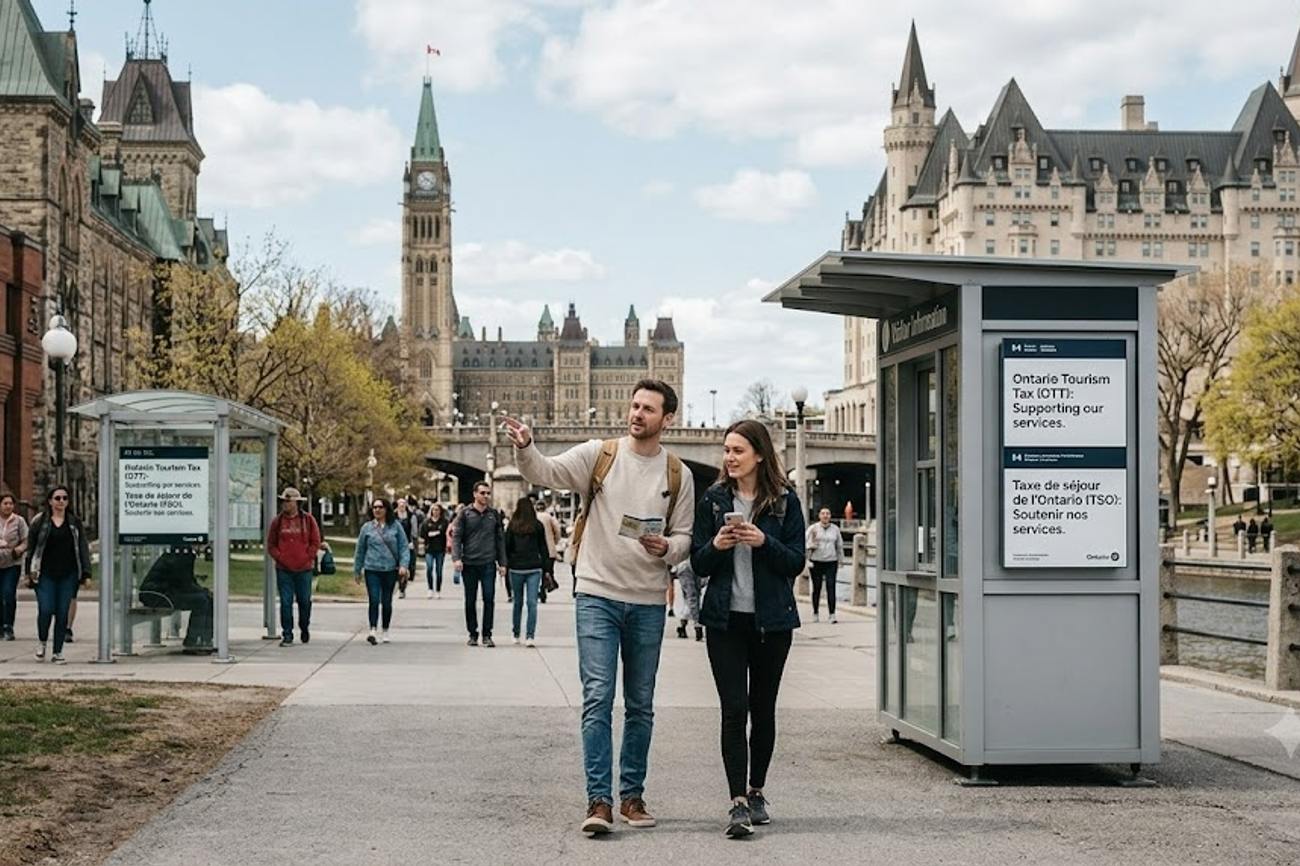
Image generated by AI
[Ottawa, January 2026] — Canada is implementing a fragmented network of new and adjusted tourism taxes across multiple provinces and cities, significantly increasing the final cost of overnight stays and vehicle rentals for 2026 visitors. These levies are designed to fund critical tourism infrastructure and offset the massive operational costs associated with hosting major international sporting events.
The shift marks a coordinated effort by provincial governments and municipal authorities to capture revenue directly from the visitor economy. While some changes are permanent provincial policy shifts, others are temporary surges tied to the 2026 FIFA World Cup. The resulting "patchwork" system means travelers will face varying tax burdens depending on whether they are visiting the Rocky Mountains, the urban centers of Ontario, or the cultural hubs of Quebec.
The Drive for Infrastructure Revenue
The primary catalyst for these tax adjustments is the need for sustainable funding for visitor services and the immense pressure placed on city infrastructure during global events. For cities like Toronto and Vancouver, the 2026 FIFA World Cup serves as the immediate trigger for temporary tax hikes. These funds are earmarked for security, public transit enhancements, and general city services required to manage the influx of millions of international fans.
On a provincial level, regions like Alberta are pivoting toward a model where tourism-related revenue is more directly linked to visitor consumption. By increasing levies on short-term accommodations and introducing new taxes on rental cars, provincial governments are shifting the financial burden of tourism maintenance from local taxpayers to the visitors themselves. This strategy ensures that those utilizing the destinations contribute to the upkeep of the very infrastructure—such as roads and park gateways—that makes the regions attractive.
Regional Tax Breakdown and Impacted Markets
The 2026 tax environment varies wildly by province. Travelers must now calculate their budgets based on a combination of federal, provincial, and municipal charges.
Alberta: The High-Cost Road Trip Alberta has introduced some of the most aggressive changes for 2026, targeting both where visitors sleep and how they move.
- Accommodation: The provincial tourism levy rose from 4% to 6% effective April 1, 2026. This affects all eligible short-term stays, specifically impacting those visiting Calgary, Edmonton, and the gateways to Jasper and Banff.
- Transportation: A brand new 6% passenger vehicle rental tax is now in effect. This applies to any passenger vehicle seating eight people or fewer. (Commercial trucks and long-term leases are exempt).
- Total Stack: Visitors must also pay the standard 5% federal GST.
British Columbia: The Layered Bill BC utilizes a complex stacking system where several different authorities take a cut of the room rate.
- Federal: 5% GST.
- Provincial: 8% PST on accommodation.
- Regional: A Municipal and Regional District Tax (MRDT) of up to 3%.
- Event-Specific: In Vancouver, an additional 2.5% Major Events MRDT is applied to support the FIFA World Cup and other international gatherings.
Quebec: The Triple-Tier System Quebec maintains a rigid three-tier tax structure for all eligible lodging in cities like Montréal and Québec City.
- Lodging Tax: 3.5% Quebec lodging tax.
- Federal: 5% GST.
- Provincial: 9.975% QST.
Ontario: The Municipal Variable While Ontario uses a baseline Harmonized Sales Tax (HST) of 13%, the final cost is dictated by the city.
- Toronto: The Municipal Accommodation Tax (MAT) has surged from 6% to 8.5% to fund World Cup preparations. This elevated rate is scheduled to remain until July 31, 2026.
- Other Municipalities: MAT rates vary by city based on local tourism requirements.
Practical Traveler Advisory and Strategic Insights
For the average tourist, the most immediate impact is the "sticker shock" occurring at checkout. Many booking platforms display a base room rate that does not include these layered taxes. In a city like Vancouver or Toronto, the gap between the advertised price and the final bill is now wider than in previous years.
The "Hidden" Cost of Road Trips The introduction of Alberta's 6% vehicle rental tax fundamentally changes the math for the classic Canadian road trip. Travelers moving between Calgary and the Rocky Mountains are no longer just paying for gas and hotels; they are paying a specific provincial tax on the vehicle itself. When combined with the increased 6% tourism levy on hotels, the cost of a self-drive holiday in Alberta has risen significantly.
The World Cup Premium Visitors heading to Toronto or Vancouver for the FIFA World Cup are paying a direct "event premium." In Toronto, the 2.5 percentage point increase in the MAT (from 6% to 8.5%) is a temporary surcharge. Travelers should be aware that their hotel bills will be higher through July 2026 than they will be in August 2026.
Booking Timing In Alberta, there is a critical window for those who booked early. Bookings made before the April 1, 2026, deadline may still be eligible for the old 4% rate, provided they meet specific transitional conditions. Travelers should verify their booking dates and tax applications with their providers to ensure they aren't overcharged.
The Path Toward a Permanent Tax Patchwork
As Canada moves further into 2026, the trend suggests that "event-based" taxes may become a permanent tool for municipal governments. The success or failure of the Toronto and Vancouver World Cup levies will likely determine if other cities implement similar "surge pricing" for taxes during peak seasons or major festivals.
Regulatory bodies and tourism boards are being urged to provide more transparency in pricing. The Canada Tourism Board and provincial agencies are tasked with managing the balance between generating revenue and remaining a competitive destination. If the cost of entry becomes too high due to tax stacking, there is a risk that visitors may shift their spending toward less taxed regions or neighboring countries.
For those planning trips, the most reliable way to determine the final cost is to check the official portals of the Government of Alberta, Government of British Columbia, or the Government of Quebec to understand the current provincial levies before finalizing itineraries.
FAQ: Canada Tourism Taxes 2026
Will my hotel price increase if I booked before April 2026? In Alberta, if you booked your stay before April 1, 2026, you may be eligible for the previous 4% tourism levy rather than the new 6% rate, depending on the provider's transitional terms. Check your confirmation email for tax specifics.
What is the total tax on a hotel room in Toronto during the World Cup? Visitors will pay the 13% HST plus a Municipal Accommodation Tax (MAT) of 8.5%. This means the total tax burden on a Toronto hotel room is 21.5% until July 31, 2026.
Does the new Alberta vehicle rental tax apply to all cars? The 6% tax applies to passenger vehicles that seat eight people or fewer. It does not apply to commercial trucks or vehicles under long-term lease agreements.
How does the Vancouver tax system differ from other cities? Vancouver uses a "stacked" approach. In addition to the 5% GST and 8% PST, travelers pay a standard MRDT (up to 3%) and a specific 2.5% Major Events MRDT for the 2026 World Cup period.
Travelers are advised to calculate final costs based on the destination city rather than the provincial average.
Related Travel Guides
- Germany Teams with Denmark and Iceland to Lead Greenland Tourism Boom in 2026 as New US Security Pact Rules Out Sovereignty Transfer
- France Aligns with Spain and More Destinations as Heatwaves Drive 6% Drop in Western Europe Tourism in June 2026
- Spain Beats Italy and All Other European Countries with Record Tourism Demand in Back-to-Back Quarters in 2026
Disclaimer
This article is for informational and educational purposes only. It does not constitute legal, financial, or professional advice. While we strive to provide accurate and up-to-date information, travel policies, regulations, and conditions change rapidly. Always verify information with official sources before making travel decisions. Nomad Lawyer makes no representations about the accuracy, reliability, completeness, or suitability of the information provided. Readers should consult qualified professionals for advice specific to their circumstances. The views expressed in this article are those of the author and do not necessarily reflect the views of Nomad Lawyer.
Naina Thakur
Contributor & Travel Specialist
Travel enthusiast and legal writer covering visa regulations, responsible tourism, and cultural journeys across global destinations.
Learn more about our team →