
Oman Launches Greater Muscat Structural Plan to Transform Capital Tourism Capacity and Public Infrastructure by 2040
Oman unveils the Greater Muscat Structural Plan for 2040, adding new visitor districts, metro systems, and tourism clusters near the airport and coast.

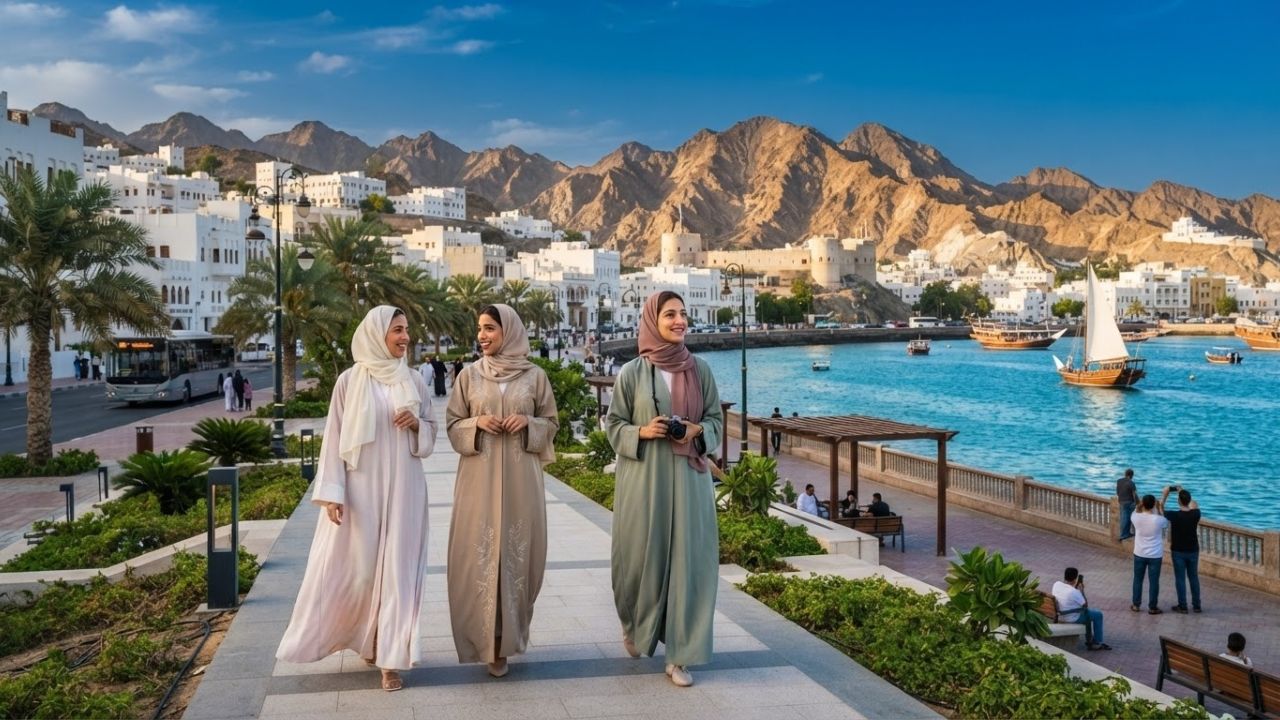
Image generated by AI
Oman has unveiled its Greater Muscat Structural Plan, a long-term urban strategy designed to handle Muscat's projected population doubling by 2040. The framework incorporates new tourism clusters, dedicated transit lanes, and green spaces to build capital capacity.
To manage rapid urban expansion, Oman details Greater Muscat Plan frameworks aimed at transforming the capital's tourism capacity and transit network by 2040. The strategic proposal integrates land use with public infrastructure, establishing dedicated economic clusters like Airport City, Muttrah heritage zones, and the Al Khuwair waterfront. By aligning this structural program with the national Vision 2040, authorities intend to build an ecologically resilient capital that improves visitor experiences while supporting residential growth.
Urban Growth: Managing Population Demands and Infrastructure Pressure
The Greater Muscat Structural Plan represents a unified, long-term public strategy designed to guide the capital's development. Population projections suggest that Muscat’s resident count will nearly double by 2040, placing significant pressure on road networks, utility grids, and public service channels.
To accommodate this growth, the plan coordinates zoning with infrastructure investments, creating a structured metropolitan layout. The physical terrain of Muscat—defined by mountains, coastlines, and seasonal wadis—forces planning departments to work within strict geographical limits. This terrain determines where transit corridors and new districts can be built, requiring a balance between natural geography and urban development.
Economic Clusters: Developing Airport City and Waterfront Resorts
Official planning documents divide the metropolitan area into dedicated commercial and tourism clusters to spread economic activity. A key proposal is the establishment of Airport City, a cluster adjacent to Muscat International Airport designed to support aviation-related commerce, hotels, and meetings.
Other planned zones include:
- City Beach: A dedicated beachfront leisure district with restaurants, retail outlets, and public beach access.
- Al Fahal Eco Village: A sustainable tourist village designed to promote ecological conservation and outdoor experiences.
- Muscat Resort Cluster: A collection of upscale resorts and hotels clustered along the coastline to handle rising overnight demand.
- Central City Development: A major mixed-use district combining corporate offices with public plazas and transit hubs.
Heritage Conservation: Preserving Muttrah's Historical Waterfront District
The historical waterfront of Muttrah remains the primary focal point for heritage tourism in the capital. The Structural Plan prioritizes the conservation of Muttrah's traditional souqs, historic buildings, and pedestrian-friendly pathways.
By improving pedestrian access and encouraging cultural activities, the plan aims to preserve the historic character of the harbor area. Furthermore, coastal zones and seasonal wadis will be integrated into green corridors to improve natural drainage and environmental resilience during heavy weather events. These green pathways will connect central neighborhoods with open recreational spaces, creating a healthier environment for both residents and tourists.
Transit Integration: Establishing Metro and Bus Rapid-Transit Networks
Improved public transportation is a central element of Muscat's urban transformation. The plan outlines a modern metro backbone supported by integrated Bus Rapid Transit (BRT) lanes that utilize dedicated routes to minimize traffic delays.
If implemented, this public transit network will simplify travel between Muscat International Airport, major resorts, business parks, and historic areas. Better transport options could encourage stopover travelers to explore the city, while reducing traffic congestion. However, final routes, transit stations, fares, and operating schedules remain subject to official confirmation.
Phased Implementation: Constructing Al Khuwair Central Waterfront District
Al Khuwair Central serves as a primary example of the phased approach of the Greater Muscat Plan. The project covers a vast 1.5 million square meters and is designed to house approximately 64,500 residents alongside commercial and cultural spaces.
The development process will follow a structured timeline, starting with feasibility studies, master planning, and utility preparation. Early construction will prioritize the marina, coastal protection systems, and road networks, followed by commercial buildings and residential units. This phased rollout ensures that infrastructure is tested and functional before residents and businesses move into the new waterfront district.
Why This Matters (Information Gain & Experience)
For the traveler, the realization of the Greater Muscat Plan means that future stopovers in Oman will become much more accessible. Predictable metro and bus rapid-transit links will allow passengers with short layovers to easily travel between the airport, hotels, and the historic Muttrah Souq without relying on private car rentals.
From a planning perspective, the plan does not introduce any changes to visa, passport, or entry regulations. Travelers must continue to use the official electronic visa portal to verify their entry eligibility and ensure their passports are valid for at least six months before arrival. It is important to distinguish planned districts from operating facilities when planning itineraries, as many of these developments are still in the early design phases.
Data Table
| Development Indicator or Milestone | 2025/2026 Statistical Data | Relevance for Capital Planning |
|---|---|---|
| Greater Muscat 2040 Vision | Framework targets year 2040 | Development will occur over several stages |
| Annual National Arrivals (2025) | 3.97 million visitors (+1.8% YoY) | Develops infrastructure within an established market |
| May 2026 Cumulative Arrivals | 1.58 million visitors (+2.8% YoY) | Moderate growth supports long-term capacity planning |
| Al Khuwair Central Area | 1.5 million square meters | Large scale allows several urban and visitor functions |
| Al Khuwair Central Population | 64,500 planned residents | Services would support residents alongside visitors |
| Classified Hotel Guests (2025) | 2.38 million guests (+10.8% YoY) | Demand for registered tourist lodging is growing |
| Classified Hotel Guest Nights | 3.68 million guest nights (+20.2% YoY) | Reflects longer stays and room night consumption |
| Classified Hotel Occupancy Rate | 56.7% average occupancy | Existing capacity retained room for further demand |
Key Takeaways
- 2040 Strategy: The Greater Muscat Structural Plan establishes a long-term urban growth framework to handle population expansion and build tourism capacity.
- Economic Clusters: Planned projects include Airport City for stopover business travel and Al Khuwair Central for waterfront residences.
- Heritage Preservation: The plan focuses on Muttrah to preserve its traditional character while improving pedestrian access.
- Transit Improvements: Proposed metro and BRT systems aim to connect the airport, hotels, and attractions directly.
- Immigration Rules: The plan does not alter existing visa rules; travelers must check their entry eligibility using the official electronic visa service.
FAQ
What is the Greater Muscat Structural Plan?
It is a unified, long-term urban strategy designed to coordinate land use and infrastructure investments to handle Muscat's projected population growth by 2040.
Are there changes to Oman's visa policy under this plan?
No, the plan focuses on urban development and infrastructure, and does not alter existing passport, visa, or immigration rules.
What is the Al Khuwair Central project?
It is a planned waterfront district covering 1.5 million square meters, designed to combine residential, commercial, cultural, and marina facilities for 64,500 residents.
How does the plan improve public transportation?
The framework proposes a metro network and dedicated Bus Rapid Transit (BRT) corridors to connect the airport, hotels, and key tourist attractions.
When will the proposed tourism projects be completed?
The Structural Plan outlines a phased development path leading towards 2040, meaning projects will be constructed and opened in separate stages over the next decade.
Related Travel Updates and Regional Guides
- Related: Porto Santo Complements Funchal With Luxair Luxembourg Flights, New Airport Terminal Tender and Integrated Buses to Support Sustainable Tourism
- Related: Ireland Tourism Growth Gathers Momentum as Spain, United States and Germany Drive Inbound Leisure Travel Across Five Months in 2026
- Related: Five Affordable Winter Sun Destinations Offering Competitive Travel Packages Outside of Europe for the 2026-2027 Season
Disclaimer
This article is for informational and educational purposes only. It does not constitute legal, financial, or professional advice. While we strive to provide accurate and up-to-date information, travel policies, regulations, and conditions change rapidly. Always verify information with official sources before making travel decisions. Nomad Lawyer makes no representations about the accuracy, reliability, completeness, or suitability of the information provided. Readers should consult qualified professionals for advice specific to their circumstances. The views expressed in this article are those of the author and do not necessarily reflect the views of Nomad Lawyer.
Kunal K Choudhary
Co-Founder & Contributor
A passionate traveller and tech enthusiast. Kunal contributes to the vision and growth of Nomad Lawyer, bringing fresh perspectives and driving the community forward.
Learn more about our team →