
Omaha, Lincoln, Grand Island, and Kearney Drive Nebraska Tourism Growth Through 2026 Infrastructure Investments
Nebraska's primary urban hubs—Omaha, Lincoln, Grand Island, and Kearney—are implementing coordinated tourism strategies and infrastructure upgrades to drive year-round travel growth in 2026.

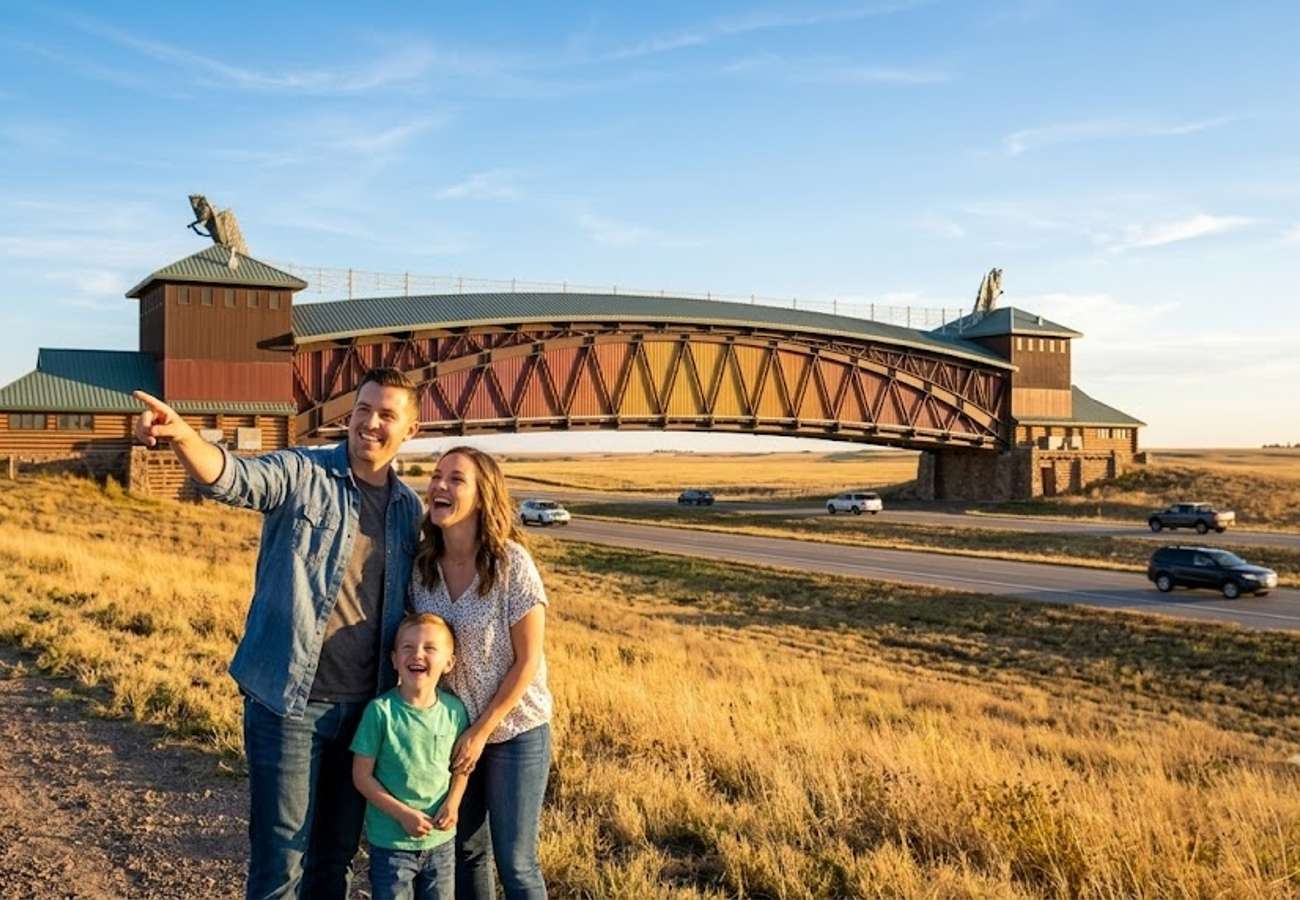
Image generated by AI
Nebraska's primary urban centers have entered a strategic partnership to synchronize tourism growth, leveraging wildlife, sports, and cultural infrastructure to attract year-round domestic and international visitors.
Our analysis indicates a shift in Nebraska's travel strategy, moving away from seasonal reliance toward a diversified "all-season" portfolio. By coordinating efforts between Omaha, Lincoln, Grand Island, and Kearney, the state is positioning itself as a competitive alternative to neighboring regional hubs.
Regional Tourism Impact Breakdown
The following data outlines the specific drivers and current status of Nebraska's key tourism hubs as of July 2026:
| City | Primary Attractions | 2026 Operational Updates |
|---|---|---|
| Omaha | Henry Doorly Zoo, RiverFront, Old Market, College World Series | Development of Omaha Streetcar and new Mutual of Omaha headquarters. |
| Lincoln | State Capitol, Sunken Gardens, Memorial Stadium, Haymarket District | Host of the 2026 Nebraska Tourism Conference; hub for government and sports travel. |
| Grand Island | Nebraska State Fair, Sandhill Crane Migration, Stuhr Museum | Release of 2026 Visitor Guide focusing on hospitality investment. |
| Kearney | Great Platte River Road Archway, Sandhill Crane Migration | Expansion of nature and heritage tourism events. |
| North Platte | Buffalo Bill Ranch, Golden Spike Tower, Union Pacific Bailey Yard | Continued focus on rail heritage tourism. |
| Scottsbluff | Scotts Bluff National Monument | Primary gateway for western Nebraska outdoor tourism. |
| Norfolk | River recreation, local museums | Growth in regional festival-based tourism. |
| Hastings | Hastings Museum, Kool-Aid Days | Expansion of family-oriented event tourism. |
| Fremont | Fremont Lakes State Recreation Area | Focus on water-based outdoor recreation. |
| Columbus | Pawnee Plunge Water Park, Platte River | Increased family-oriented tourism offerings. |
City-Specific Operational Analysis
Omaha: The Urban Powerhouse Omaha remains the primary gateway for leisure and convention travelers. The city's economic engine is currently driven by the NCAA Men’s College World Series and the Henry Doorly Zoo and Aquarium. Operational growth is tied to the revitalized RiverFront development and ongoing downtown transport improvements, specifically the Omaha Streetcar.
Lincoln: Government and Collegiate Hub Lincoln leverages its status as the state capital to maintain steady year-round traffic. The University of Nebraska’s Memorial Stadium creates massive spikes in hotel and restaurant demand during home football matches. The Historic Haymarket District serves as the primary anchor for nightlife and boutique retail.
Grand Island and Kearney: Wildlife and Heritage Corridors These two cities operate as the primary centers for the Sandhill Crane migration, a critical wildlife event attracting global birdwatchers and photographers. Grand Island has expanded its appeal via the Nebraska State Fair and the Stuhr Museum, while Kearney focuses on the Great Platte River Road Archway to capture the "Westward Expansion" heritage market.
Passenger Rights & Advisory (Information Gain)
Travelers visiting Nebraska in 2026 should be aware of the following guidelines regarding transport and accommodation:
- Rental Car Agreements: With the increase in "nature tourism" in Kearney and Grand Island, ensure rental agreements include comprehensive coverage for rural roads. Review the "Loss of Use" clauses in your contract to avoid unexpected fees during peak migration seasons.
- Hotel Overbooking Protections: During high-demand events like the College World Series in Omaha or football games in Lincoln, "walking" policies may apply. If a hotel cannot honor a guaranteed reservation, they are generally required to find comparable lodging and cover the transportation cost to the new location.
- Flight Disruptions (DOT Guidelines): For those flying into Omaha's Eppley Airfield, remember that under current US Department of Transportation (DOT) rules, passengers are entitled to a full refund if a flight is canceled or significantly changed and the passenger chooses not to travel on the alternative offered.
- Event-Based Pricing: Be advised that "dynamic pricing" is prevalent during the Nebraska State Fair and Crane Migration. Booking accommodation at least 90 days in advance is recommended to avoid inflated surge pricing.
Industry Analyst View
The coordination between these four cities represents a strategic move to prevent "tourism leakage" to neighboring states. By creating a network of interconnected destinations, Nebraska is encouraging longer visitor stays rather than single-city stopovers.
The integration of the Omaha Streetcar and the Mutual of Omaha headquarters suggests a long-term play to attract high-spending business travelers who can be converted into leisure tourists. The primary challenge remains the seasonal nature of the Sandhill Crane migration; however, the investment in heritage sites like the Archway and urban districts like the Haymarket provides the necessary hedge against seasonality.
Nebraska is successfully transitioning from a "fly-over" state to a structured, multi-city destination.
Related Travel Guides
Disclaimer
This article is for informational and educational purposes only. It does not constitute legal, financial, or professional advice. While we strive to provide accurate and up-to-date information, travel policies, regulations, and conditions change rapidly. Always verify information with official sources before making travel decisions. Nomad Lawyer makes no representations about the accuracy, reliability, completeness, or suitability of the information provided. Readers should consult qualified professionals for advice specific to their circumstances. The views expressed in this article are those of the author and do not necessarily reflect the views of Nomad Lawyer.
Raushan Kumar
Founder & Lead Developer
Full-stack developer with 11+ years of experience and a passionate traveller. Raushan built Nomad Lawyer from the ground up with a vision to create the best travel and law experience on the web.
Learn more about our team →