
Isles Scilly Residents Rally to Shelter 97 Ferry Passengers Stranded by Storm
Isles of Scilly residents opened homes and community spaces to 97 ferry passengers stranded overnight as severe Atlantic storms halted the vital Penzance crossing during the 2026 World Pilot Gig Championships week.

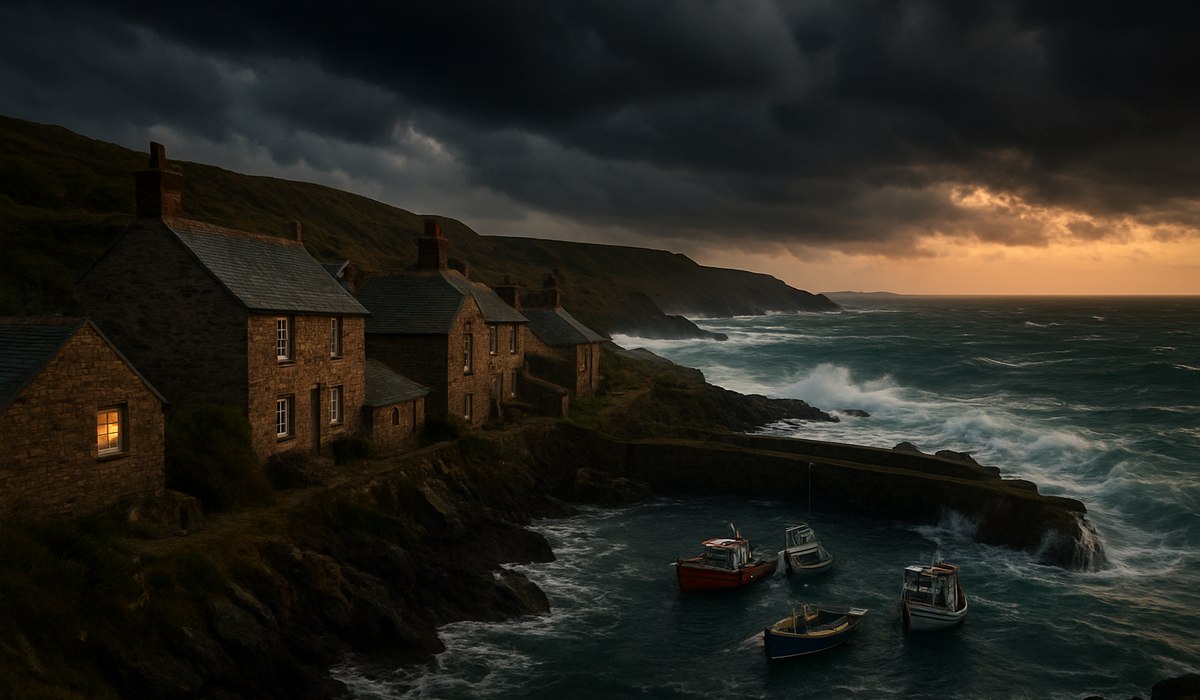
Image generated by AI
Community Steps Up as Atlantic Storms Leave Nearly 100 Travelers Stranded
Isles of Scilly residents generously opened their homes, spare rooms, and community spaces to accommodate 97 ferry passengers who found themselves unexpectedly stranded on the islands overnight. The disruption occurred when the Scillonian III passenger ferry was forced to cancel its Wednesday evening departure from St Mary's to Penzance due to deteriorating sea conditions across one of Britain's most weather-exposed maritime routes. What began as a single cancelled crossing extended through Thursday morning, trapping visitors during the busiest week of the year—just as the World Pilot Gig Championships rowing event was drawing competitors and supporters from across the UK and beyond. The response from Isles of Scilly residents demonstrated how tight-knit island communities mobilize during transport emergencies, with locals coordinating through social media to match available accommodation with stranded travelers within hours.
Ferry Service Halted by Deteriorating Sea Conditions
The Isles of Scilly Steamship Group made the difficult operational decision to suspend ferry services after Atlantic weather systems intensified beyond initial forecasts. The Scillonian III, which serves as a vital lifeline connecting the archipelago with Penzance on mainland Cornwall, faces particular challenges when wind and swell combine along the approaches to Land's End. The vessel's flat-bottomed hull design enables it to berth safely in shallow harbors across the island group, but this same feature means pronounced motion and discomfort during rough seas, prompting cautious captains to prioritize passenger safety over scheduling pressures.
Forecasters had not predicted conditions would deteriorate as rapidly as they did on Wednesday afternoon. By evening, the Isles of Scilly Steamship Group determined that departure was no longer safe, leaving 97 passengers without return transport to Cornwall. The decision to also cancel the early Thursday morning sailing extended the disruption through another tide cycle, affecting hundreds of travelers and cargo movements during peak season. Such delays in spring highlight why maritime authorities maintain strict safety protocols, even when cancellations create significant ripple effects across tourism infrastructure and island supply chains.
Community Response: Locals Open Doors and Spaces
Within hours of the ferry cancellation announcement, Isles of Scilly residents mobilized an informal but effective accommodation network. Householders posted offers of spare bedrooms and couches on local social media channels, holiday-let owners released properties normally reserved for upcoming guests, and community groups opened meeting spaces with basic facilities. The response underscored how island living fosters mutual aid traditions—when visitors cannot escape, locals recognize the shared responsibility to welcome them.
Stranded passengers described being invited into family homes and cottages, receiving hot meals, and experiencing genuine hospitality from islanders who understood firsthand how unpredictable Atlantic weather can disrupt travel plans. Business owners who managed holiday properties stepped forward to unlock accommodations at short notice, prioritizing human need over commercial bookings. Local restaurants and cafes extended hours to feed travelers waiting for updated weather forecasts and ferry schedules. By Thursday morning, what could have been a crisis of inadequate shelter had transformed into a story of community resilience and cross-island solidarity that garnered praise from affected visitors and wider attention within travel media.
Impact on World Pilot Gig Championships
The timing of the ferry disruption could not have been worse for event organizers of the World Pilot Gig Championships, one of the Isles of Scilly's signature annual celebrations. The championship draws traditional six-oared pilot gig rowing teams from across the United Kingdom and beyond, transforming St Mary's and surrounding islands into a hub of maritime heritage and athletic competition. Accommodation on the islands fills months in advance for this event, leaving zero capacity for unexpected overnight stays caused by transport disruption.
Teams and supporters traveling by the Scillonian III on Wednesday faced forced itinerary changes, last-minute rebooking onto alternative Skybus flights, or—for those already stranded—improvised housing arranged by Isles of Scilly residents through community networks. Despite the travel challenges, race organizers confirmed that the championships proceeded as scheduled, with rowing clubs adapting their schedules and transport coordination to accommodate delayed arrivals. The incident illustrated how even single ferry cancellations cascade through island economies during peak tourism periods, affecting not just accommodation but competition logistics, meal service, equipment transport, and volunteer coordination.
Transportation Challenges in Scilly's Maritime Environment
The Isles of Scilly's isolation—approximately 28 miles southwest of Penzance—creates persistent vulnerabilities in transport connectivity that weather disruptions expose with painful clarity. The Scillonian III operates seasonally from March through autumn, supplemented year-round by Skybus flights, which themselves remain subject to cancellation during poor visibility or high wind conditions. No bridges or causeways connect the islands to mainland Cornwall, making maritime and air transport the only viable options for residents, workers, and visitors.
Recent infrastructure planning has focused on enhancing resilience through proposed next-generation vessels like the Scillonian IV and exploration of electric-hydrofoil technology for inter-island routes. These initiatives aim to improve year-round reliability while reducing operational costs and environmental impact. However, current realities mean the archipelago remains fundamentally dependent on a small number of transport options, all highly exposed to Atlantic weather systems that can develop rapidly. Planning studies emphasize that physical distance, shallow-water harbor requirements, and seasonal operational windows will continue presenting challenges until new vessel classes enter service with enhanced seakeeping capability and extended operational seasons.
| Aspect | Details |
|---|---|
| Stranded Passengers | 97 travelers overnight, April 30-May 1, 2026 |
| Ferry Service | Scillonian III (St Mary's–Penzance route) |
| Operating Company | Isles of Scilly Steamship Group |
| Cause | Atlantic storms with dangerous sea conditions approaching Land's End |
| Cancellations | Wednesday evening sailing + Thursday early morning sailing |
| Community Response | Residents opened homes, holiday lets, community spaces within hours |
| Event Impact | World Pilot Gig Championships (peak tourism week) |
| Alternative Transport | Skybus flights (weather-dependent, limited capacity) |
| Typical Ferry Season | March–autumn (Scillonian III); year-round Skybus flights |
What This Means for Travelers
The April 2026 stranding offers valuable lessons for anyone planning trips to the Isles of Scilly, particularly during championship weeks and spring holidays:
-
Book Flexible Return Dates: Always include buffer days in itineraries, especially during spring and autumn when Atlantic weather becomes less predictable. Ferry cancellations can cascade into multiple-day disruptions.
-
Monitor Forecasts Actively: Check maritime weather forecasts at least three days before ferry travel. The Isles of Scilly Steamship Group and UK Maritime and Coastguard Agency provide reliable condition updates.
-
Confirm Accommodation Cancellation Policies: Ensure booking terms allow flexibility for transport-related delays. Many island properties have strict policies, but communicating disruptions early increases leniency.
-
Register with Local Tourism: Contact Visit Isles of Scilly before arrival. Local coordinators maintain updated accommodation lists and can facilitate emergency housing during transport emergencies.
-
Consider Air Alternatives: Skybus flights offer weather-dependent alternatives, but book return flights with wider spacing than ferry bookings to account for sequential cancellations.
-
Pack Provisions: Bring extra snacks, medications, and entertainment. Stranded passengers benefit from self-sufficiency while awaiting weather windows.
FAQ
Q: How often do ferry cancellations affect the Isles of Scilly? A: Seasonal patterns show
Disclaimer
This article is for informational and educational purposes only. It does not constitute legal, financial, or professional advice. While we strive to provide accurate and up-to-date information, travel policies, regulations, and conditions change rapidly. Always verify information with official sources before making travel decisions. Nomad Lawyer makes no representations about the accuracy, reliability, completeness, or suitability of the information provided. Readers should consult qualified professionals for advice specific to their circumstances. The views expressed in this article are those of the author and do not necessarily reflect the views of Nomad Lawyer.
Raushan Kumar
Founder & Lead Developer
Full-stack developer with 11+ years of experience and a passionate traveller. Raushan built Nomad Lawyer from the ground up with a vision to create the best travel and law experience on the web.
Learn more about our team →