
NYC, LA, New Orleans, Chicago and Houston Lead USA Street Food Tourism Surge in 2026
New York City, Los Angeles, New Orleans, Chicago, and Houston are redefining American culinary tourism in 2026, transforming street food from quick meals into primary travel drivers.

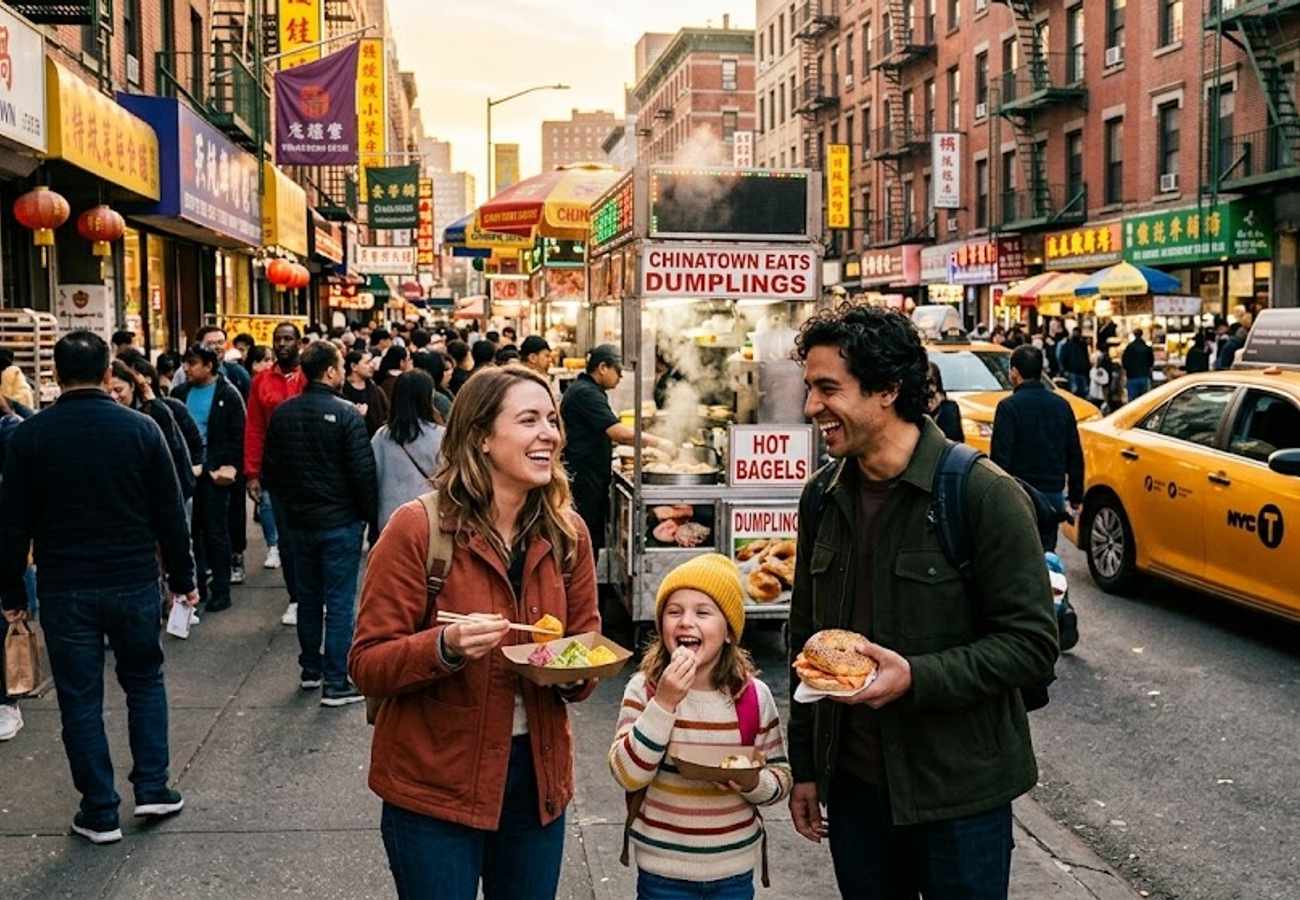
Image generated by AI
Street food has evolved from a convenient snack into a primary catalyst for domestic and international travel. In 2026, five major US hubs are leading a culinary revolution that prioritizes authentic pavement dining over traditional tourist attractions.
The shift toward "culinary-first" itinerary planning is evident across the United States. Travelers are no longer simply visiting cities; they are racing across the country to track down specific food trucks, historic markets, and neighborhood vendors. This movement is reshaping how cities manage tourism, shifting focus toward pedestrian food districts and night markets that celebrate local heritage.
New York City: The Global Culinary Crossroads
New York City maintains its status as the premier street food capital of the US. The city's appeal lies in its density of diversity, allowing visitors to experience a global gastronomic tour within a few city blocks.
The street food ecosystem here is defined by a vast array of offerings, including:
- Global Staples: Halal chicken and rice, biryani, falafel, and dumplings.
- Local Icons: New York hot dogs, fresh bagels, and soft pretzels.
- Regional Specialties: Dominican snacks, Caribbean dishes, and authentic tacos.
Key hubs for food exploration include Chinatown, Harlem, Flushing, and Jackson Heights. The city has further institutionalized this culture through high-profile events like Smorgasburg in Brooklyn and the Queens Night Market, bridging the gap between casual street eats and the prestige of Michelin-recognized dining.
Los Angeles: The Evolution of the Gourmet Food Truck
In Los Angeles, the food truck has transitioned from a mobile kitchen to a cultural icon. The city's climate and multicultural demographics have fostered an outdoor dining scene that blends innovation with tradition.
While Mexican cuisine—specifically birria, authentic tacos, tamales, and grilled corn—remains the cornerstone, the city's breadth is expanding. High-demand offerings now include:
- Asian Influence: Korean barbecue, Japanese ramen, Thai dishes, and Filipino barbecue.
- Specialty Eats: Salvadoran pupusas, Persian delicacies, and the city's famous late-night bacon-wrapped hot dogs.
Strategic dining zones like Koreatown, Venice, Santa Monica, and the Grand Central Market continue to attract millions, supported by a growing number of James Beard Award winners and Michelin-recognized chefs who are bringing gourmet standards to the curb.
New Orleans: Preserving Heritage Through Flavor
Unlike the innovation-led scenes in LA or NYC, New Orleans focuses on historical preservation. Its street food is a living archive of French, Spanish, African, and Caribbean influences.
The city's culinary identity is anchored in the French Quarter and the historic French Market, where the atmosphere is defined by street music and centuries-old recipes. Essential tastes include:
- Sweet & Savory: Sugar-coated beignets and muffulettas.
- Regional Classics: Po’boys, hearty gumbo, spicy jambalaya, seafood boils, and crawfish.
The recent expansion of the Michelin Guide into Louisiana has provided a global platform for these traditional offerings, cementing New Orleans as a critical destination for heritage-based culinary tourism.
Chicago: Balancing Americana and Globalism
Chicago's street food strategy blends a fierce commitment to local classics with an openness to international flavors. The city provides a unique balance between high-end dining and accessible street fare.
The "Chicago Experience" is defined by:
- Local Legends: Chicago-style hot dogs, Italian beef sandwiches, and Maxwell Street Polish sausages.
- International Reach: A diverse array of gyros, tamales, and tacos.
Neighborhoods such as Pilsen, Chinatown, and the historic Maxwell Street remain the primary arteries for this food culture. The city's ability to maintain strong Michelin Guide recognition while promoting affordable street eats makes it a versatile destination for all budget levels.
Houston: The Rapid Ascent of a Diverse Hub
Houston is currently the fastest-rising star in American culinary tourism. Its growth is fueled by an extraordinary demographic profile, with over 140 languages spoken across the city.
The city has pioneered the "food truck park" concept, creating centralized hubs where visitors can sample multiple cultures in one location. Notable highlights include:
- Regional Fusion: Tex-Mex tacos and traditional Texas barbecue.
- Global Imports: Vietnamese bánh mì, Nigerian jollof rice, Indian chaat, Pakistani kebabs, and Korean fried chicken.
With increasing recognition from the James Beard Awards and the success of Houston Restaurant Weeks, the city is successfully converting its cultural diversity into a powerful tourism engine.
Comparative Analysis of Top US Street Food Hubs (2026)
| City | Primary Culinary Strength | Key Iconic Dishes | Top Food Districts |
|---|---|---|---|
| New York City | Global Diversity | Halal Chicken, Bagels, Falafel | Chinatown, Flushing, Brooklyn |
| Los Angeles | Food Truck Innovation | Birria Tacos, Korean BBQ, Ramen | Koreatown, Venice, Grand Central Market |
| New Orleans | Historic Heritage | Beignets, Gumbo, Po'boys | French Quarter, French Market |
| Chicago | Americana & Global Mix | Italian Beef, Chicago Dog, Polish Sausage | Maxwell Street, Pilsen, Chinatown |
| Houston | Multicultural Expansion | Bánh Mì, Tex-Mex, Jollof Rice | Food Truck Parks, Diverse Urban Hubs |
Strategic Impact on American Tourism
The rise of street food is fundamentally changing the economics of travel. Visitors are increasingly bypassing traditional "sightseeing" in favor of "tasting," leading to several systemic shifts:
- Economic Empowerment: Street food supports small-scale entrepreneurs and helps communities preserve ancestral recipes.
- Urban Planning: Cities are investing in pedestrian-only food zones and organized night markets to manage crowds and enhance the visitor experience.
- Authenticity Seeking: There is a marked preference for "authentic" neighborhood experiences over sterilized tourist traps.
The 2026 culinary landscape proves that the most authentic way to experience an American city is often found on its sidewalks.
Related Travel Guides
Disclaimer
This article is for informational and educational purposes only. It does not constitute legal, financial, or professional advice. While we strive to provide accurate and up-to-date information, travel policies, regulations, and conditions change rapidly. Always verify information with official sources before making travel decisions. Nomad Lawyer makes no representations about the accuracy, reliability, completeness, or suitability of the information provided. Readers should consult qualified professionals for advice specific to their circumstances. The views expressed in this article are those of the author and do not necessarily reflect the views of Nomad Lawyer.
Raushan Kumar
Founder & Lead Developer
Full-stack developer with 11+ years of experience and a passionate traveller. Raushan built Nomad Lawyer from the ground up with a vision to create the best travel and law experience on the web.
Learn more about our team →