
Norway and Nordic Regions Lead 2026 Coolcationing Trend as Travelers Flee Southern Heatwaves
Heat-weary global travelers are swapping tropical beaches for Nordic fjords, driving a structural shift in tourism known as 'coolcationing' across Norway, Iceland, Scotland, and Canada.

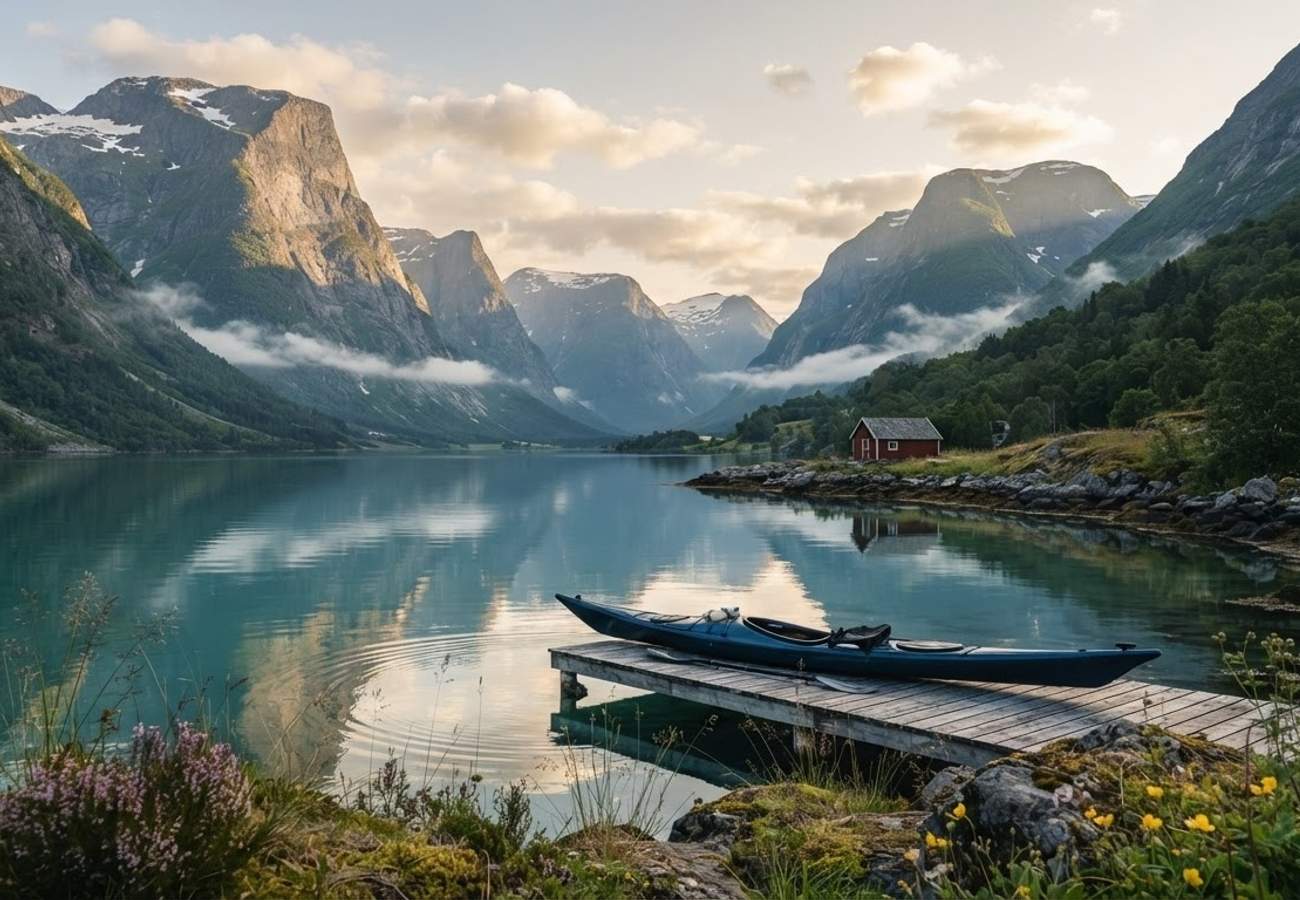
Image generated by AI
Southern European heatwaves are triggering a massive migration toward northern latitudes, with Norway seeing double-digit growth in summer arrivals as travelers prioritize thermal relief over tropical sun.
The Rise of the Coolcation
A structural shift in global travel is unfolding. As extreme summer heatwaves strike traditional Mediterranean and equatorial hubs, a trend dubbed "coolcationing" has moved from a niche preference to a primary travel driver. Tourists are no longer seeking the classic sun-drenched beach; instead, they are migrating toward high-altitude alpine zones and sub-Arctic regions to escape dangerous heat domes and oppressive humidity.
Norway has emerged as the epicenter of this movement. The surge is driven by a desire for physical comfort paired with expansive natural scenery. Unlike the sweltering conditions of Southern Europe, the Nordic region allows for strenuous activity—such as glacier trekking and kayaking—without the risk of heat exhaustion. This shift is not merely about temperature; it is a move toward health-conscious retreats and ecological immersion.
Cultural Value and Environmental Stewardship
For the visitor, the real impact of this trend is the integration into friluftsliv—the Norwegian philosophy of open-air living. This cultural commitment to the outdoors aligns with a new generation of travelers who value wellness and active exploration over passive lounging.
However, this influx of "heat refugees" places significant pressure on fragile ecosystems. In response, regional authorities are moving beyond traditional tourism models to implement strict management policies. The goal is to prevent seasonal overtourism from degrading the very pristine waters and mountain trails that attract visitors.
This pattern is mirrored across other northern strongholds:
- Iceland: The nation has leveraged its sub-polar volcanic terrain to attract those fleeing extreme temperatures. By investing in geothermal energy-backed amenities and strict trail limits on the Laugavegur Trail, Iceland is balancing growth with environmental resilience.
- Scotland: The Highlands and Isle of Skye are serving as thermal buffers for those avoiding the record-breaking heat of Southern England. The rise of "noctourism"—exploring historical sites during the cooler twilight hours—has become a hallmark of the Scottish summer experience.
- Canada: Acting as the primary relief valve for North Americans, the Canadian Rockies (specifically Banff and Jasper) have seen historic visitor numbers. To maintain ecological integrity, Canada has implemented mandatory vehicle shuttles and timed-entry systems.
Regional Coolcationing Comparison 2026
| Country | Primary Climate Appeal | High-Demand Destinations | Operational Focus |
|---|---|---|---|
| Norway | Sub-Arctic Fjord Microclimates | Lofoten, Bergen, Geirangerfjord | Ecosystem protection & trail limits |
| Iceland | Sub-Polar Volcanic / Geothermal | Central Highlands, South Coast | Sustainable energy & high-altitude access |
| Scotland | Cool Maritime Wilderness | Highlands, Isle of Skye, Edinburgh | Regional dispersal & transport links |
| Canada | Vast Alpine & Maritime Geography | Canadian Rockies, Atlantic Coast | Reservation systems & park transit |
Visitor Insider Tips
To navigate these northern destinations sustainably and efficiently, travelers should consider these local insights:
- The Shoulder-Season Window: To avoid the peak "coolcation" crowds of July and August, visit in late June or September. You will find the same temperate climate with significantly lower tourist density.
- Respect the "Right to Roam": While Norway and Scotland have generous access laws, always stick to marked trails in protected areas like the Lofoten Islands to prevent soil erosion.
- Gear for Microclimates: In the fjords and Highlands, weather can shift in minutes. Layering is non-negotiable; a waterproof shell and merino wool base layers are essential even in mid-summer.
- Dining Local: Move beyond the tourist hubs in Bergen or Edinburgh. Seek out "Kaffestuer" (coffee houses) in smaller Norwegian villages for authentic local pastries and regional seafood.
Tourism Outlook
The migration toward northern latitudes signifies a new era of climate-driven travel. As traditional summer hotspots become less viable due to extreme heat, the economies of Nordic countries are seeing an unexpected boom. The long-term success of this trend depends on the balance between commercialization and conservation.
By prioritizing sustainable transport and reservation-based entry to national parks, these destinations are creating a blueprint for responsible tourism in a warming world. The preference for comfort, discovery, and healthy living over extreme weather is likely to become the permanent standard for summer travel.
The era of the tropical summer is fading, replaced by the crisp air and deep blue waters of the North.
Related Travel Guides
Disclaimer
This article is for informational and educational purposes only. It does not constitute legal, financial, or professional advice. While we strive to provide accurate and up-to-date information, travel policies, regulations, and conditions change rapidly. Always verify information with official sources before making travel decisions. Nomad Lawyer makes no representations about the accuracy, reliability, completeness, or suitability of the information provided. Readers should consult qualified professionals for advice specific to their circumstances. The views expressed in this article are those of the author and do not necessarily reflect the views of Nomad Lawyer.
Kunal K Choudhary
Co-Founder & Contributor
A passionate traveller and tech enthusiast. Kunal contributes to the vision and growth of Nomad Lawyer, bringing fresh perspectives and driving the community forward.
Learn more about our team →