
Norway Keeps Røst–Værøy Travel Free Via Bodø and Moskenes While Nordland Introduces Tourist Summer Ferry Fees
Norway Keeps Røst–Værøy Travel Free Via Bodø and Moskenes While Nordland Introduces Tourist Summer Ferry Fees

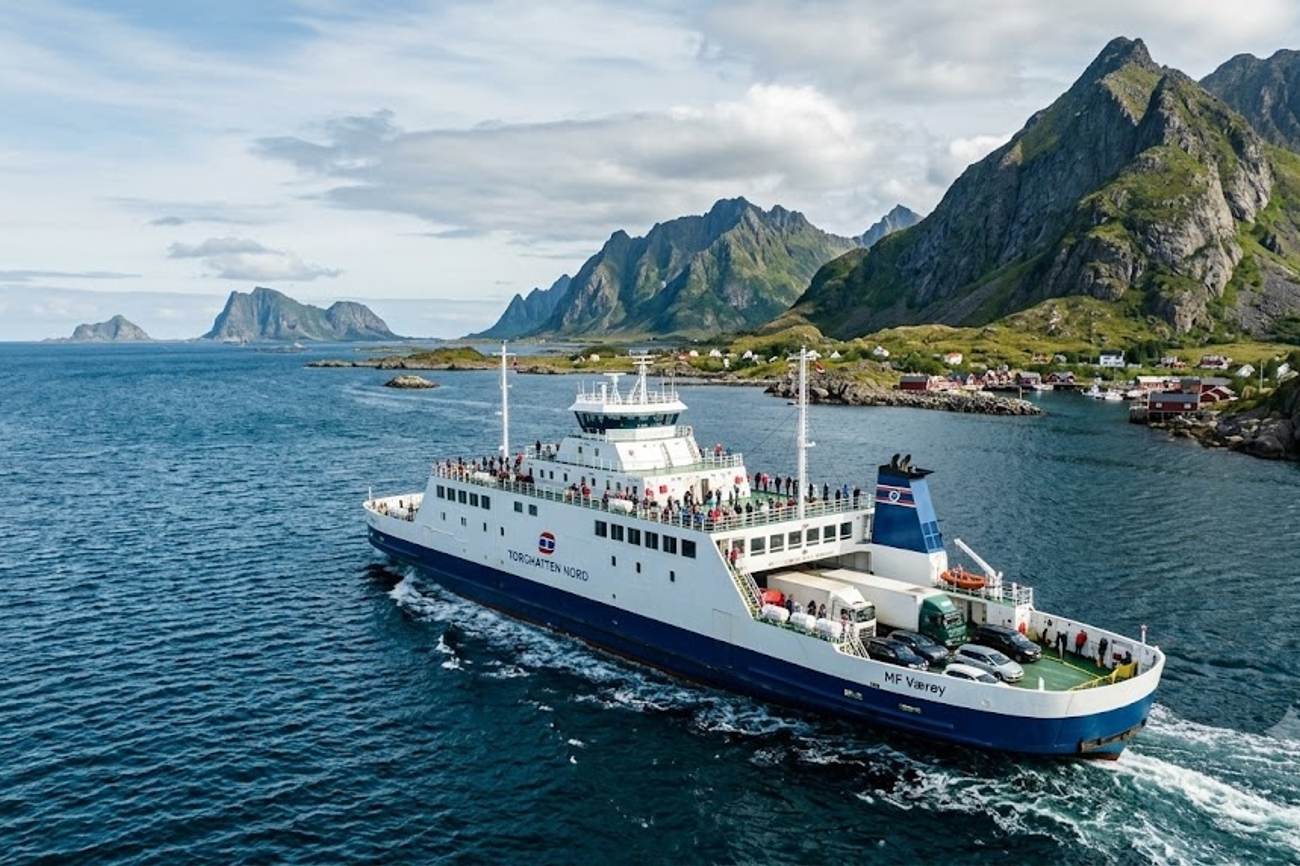
Image generated by AI
While most of the Lofoten archipelago requires careful budgeting for transport, the remote outposts of Røst and Værøy remain accessible via a rare, state-funded "free-ferry" system. This policy ensures that while the direct crossing from Bodø to Moskenes costs money, those venturing further to the islands of Røst and Værøy travel on sectors that are currently listed as free through the AutoPASS system.
The Preservation of the Arctic Lifeline
For those planning a winter expedition to the edge of the Norwegian Sea, there was a moment of uncertainty regarding how these islands would remain connected to the mainland. An initial 2026 state budget proposal suggested the abolition of the national free-ferry programme, specifically targeting the Bodø–Værøy–Røst segments of the national-road ferry route. Had this passed, the cost of accessing these remote communities would have shifted significantly.
However, the final parliamentary budget agreement reversed this decision, restoring NOK 255 million to the programme. As a result, the essential corridors between Bodø, Værøy, Røst, and Moskenes remain free of charge, with the sole exception of the direct Bodø–Moskenes route. This creates a unique logistical quirk: it is financially more advantageous to travel to the furthest islands than to simply cross to the main Lofoten landmass.
This stability extends to the air. The state-supported flight paths and helicopter links connecting these islands to the mainland hub of Bodø are secured through 31 October 2028. For the seasoned traveler, the most critical detail is the timing of the maritime schedules. The winter ferry timetable, which took effect on 7 September 2026, remains in force until 16 May 2027. While the schedule is set, the "free" status is tied to the 2026 budget; therefore, those booking for early 2027 should remain flexible, as tariff rules are typically reviewed by the Transport Ministry around the New Year.
What Makes Røst and Værøy Different
These two islands are not merely extensions of the Lofoten chain; they are distinct ecological and cultural entities. Røst is essentially a flat expanse of land surrounded by some of the richest bird colonies in the North Atlantic, while Værøy offers a more dramatic, mountainous profile.
The way you reach them defines the experience. Røst is served by a Public Service Obligation (PSO) flight operated by Widerøe. This is not a standard commercial route subject to the whims of profit; it is a mandated lifeline. The state requires a minimum capacity of 6,500 seats annually through March 2028, ensuring that residents and visitors have at least two weekday services in each direction. The first arrival into Bodø must be no later than 10:00, and the final departure from Bodø cannot be earlier than 16:00. While the initial 2024 maximum flexible fare was set at NOK 698, this figure is adjusted annually based on the Consumer Price Index (CPI), meaning current prices may vary slightly.
Værøy, conversely, relies on the roar of rotors. With no conventional airport, it is connected to Bodø via a scheduled helicopter service operated by Lufttransport using an AW139 aircraft. This contract, running until 31 October 2028, mandates a capacity of at least 9,000 seats per direction per operating year through July 2028. The service operates twice daily from Monday to Friday and once daily on weekends, maintaining a strict contractual regularity of 97.5 per cent. The original base fare for this aerial lifeline was NOK 653, also subject to CPI adjustments.
Visitor Insider Tips
Navigating the far reaches of Nordland requires a different strategy than visiting Oslo or Bergen. To truly experience these islands without the stress of logistical failures, follow these local guidelines:
The Reservation Trap Do not mistake a "free ferry" for a "guaranteed seat." This is the most common error visitors make. While the transit itself is free, a guaranteed reservation is a separate, paid product. Torghatten only allocates 30 per cent of capacity for advance reservations to Værøy and Røst (compared to 50 per cent for Moskenes). If you are a foot passenger without a vehicle, you can simply board without a reservation, but if you want a guaranteed spot, you must pay:
- Adult foot passenger: NOK 65
- Child/military/concession: NOK 35
Timing the Transit The winter schedule (September to May) is leaner than the summer rush. Always check the Visit Norway portal for real-time weather alerts, as the Norwegian Sea frequently disrupts both ferry and helicopter schedules. If you are basing yourself in Bodø, use it as your primary hub for all transfers to the islands.
Local Etiquette and Gear Røst and Værøy are working fishing communities, not tourist parks. When visiting the docks or the local shops, be mindful that you are in a living village. Dress in layers; the wind on Røst is legendary and can make a 5-degree day feel like -10.
Transport Hacks If you are traveling between the islands themselves (Værøy to Røst), the ferry remains free. Using the AutoPASS system is the standard for vehicle owners, ensuring a seamless transition through the toll-free sectors.
Cultural and Environmental Context
The existence of the free-ferry programme and the PSO aviation contracts is a testament to the Norwegian government's commitment to "distriktspolitikk"—the policy of maintaining habitation in remote regions. In many parts of the world, such routes would have been privatized and likely abandoned due to low profit margins. By subsidizing the Bodø–Værøy–Røst link, Norway prevents the depopulation of these islands, ensuring that the traditional cod fishing industry remains viable.
However, this accessibility creates a delicate balance. The environment on Røst is incredibly fragile, particularly the nesting grounds of the Atlantic puffin and other seabirds. The influx of visitors, while economically beneficial, puts pressure on the limited infrastructure of these small communities. Travelers are encouraged to follow the guidelines set by UNESCO regarding the preservation of cultural landscapes, even in non-designated sites, by staying on marked paths and respecting the privacy of the islanders.
The reliance on helicopters for Værøy also highlights the environmental cost of connectivity. While the AW139 is efficient, the carbon footprint of aviation is a constant point of discussion in a country that prides itself on green energy. The government's struggle to balance the "right to live" in the Arctic with environmental goals is a living dialogue that visitors can observe in the local discourse.
FAQ: Visiting Røst and Værøy 2026/2027
Is the ferry to Røst and Værøy actually free? Yes, the sectors between Bodø, Værøy, and Røst are currently free under the state's free-ferry programme. However, the direct route from Bodø to Moskenes is not free. Note that "free" refers to the fare, not the optional reservation fee.
How do I get to Værøy from the mainland? The most reliable method is the scheduled helicopter service from Bodø operated by Lufttransport. Alternatively, you can take the Torghatten ferry from Bodø. The helicopter is faster and offers stunning views, while the ferry is more cost-effective.
Do I need a visa to visit these islands? Since Røst and Værøy are part of Norway, standard Schengen Area visa rules apply. If you have a valid Schengen visa or are from a visa-exempt country, no additional permits are required to travel from the mainland to the islands.
When is the best time to visit? For birdwatching and milder weather, summer is ideal. However, for those seeking the authentic winter Arctic experience and the Northern Lights, the period between September and May is stunning, provided you use the winter ferry timetable.
The edge of the map is where the real Norway begins.
#Røst #Værøy #LofotenTravel2026 #NordlandTransport #NorwayArcticTravel
Related Travel Guides
- Lake Garda Italy Tourism Surges With Hidden Gems, Scenic Views And Luxury Escapes
- Japan Joins Sri Lanka and Thailand as Experinecing a Wane in August Tourism as International Tourists are Vanishing
- Fairhope Unites with Mystic, Paia and More 47 Prettiest Towns in US States Appeal to International Tourists
Disclaimer
This article is for informational and educational purposes only. It does not constitute legal, financial, or professional advice. While we strive to provide accurate and up-to-date information, travel policies, regulations, and conditions change rapidly. Always verify information with official sources before making travel decisions. Nomad Lawyer makes no representations about the accuracy, reliability, completeness, or suitability of the information provided. Readers should consult qualified professionals for advice specific to their circumstances. The views expressed in this article are those of the author and do not necessarily reflect the views of Nomad Lawyer.
Raushan Kumar
Founder & Lead Developer
Full-stack developer with 11+ years of experience and a passionate traveller. Raushan built Nomad Lawyer from the ground up with a vision to create the best travel and law experience on the web.
Learn more about our team →