
North Sumatra Tourism Remains Open as Indonesia Closes Lau Kawar Lake Near Mount Sinabung in 2026
Despite the precautionary closure of Lau Kawar Lake and camping grounds due to Mount Sinabung's volcanic activity, major North Sumatra hubs like Lake Toba and Medan remain fully operational for travelers.

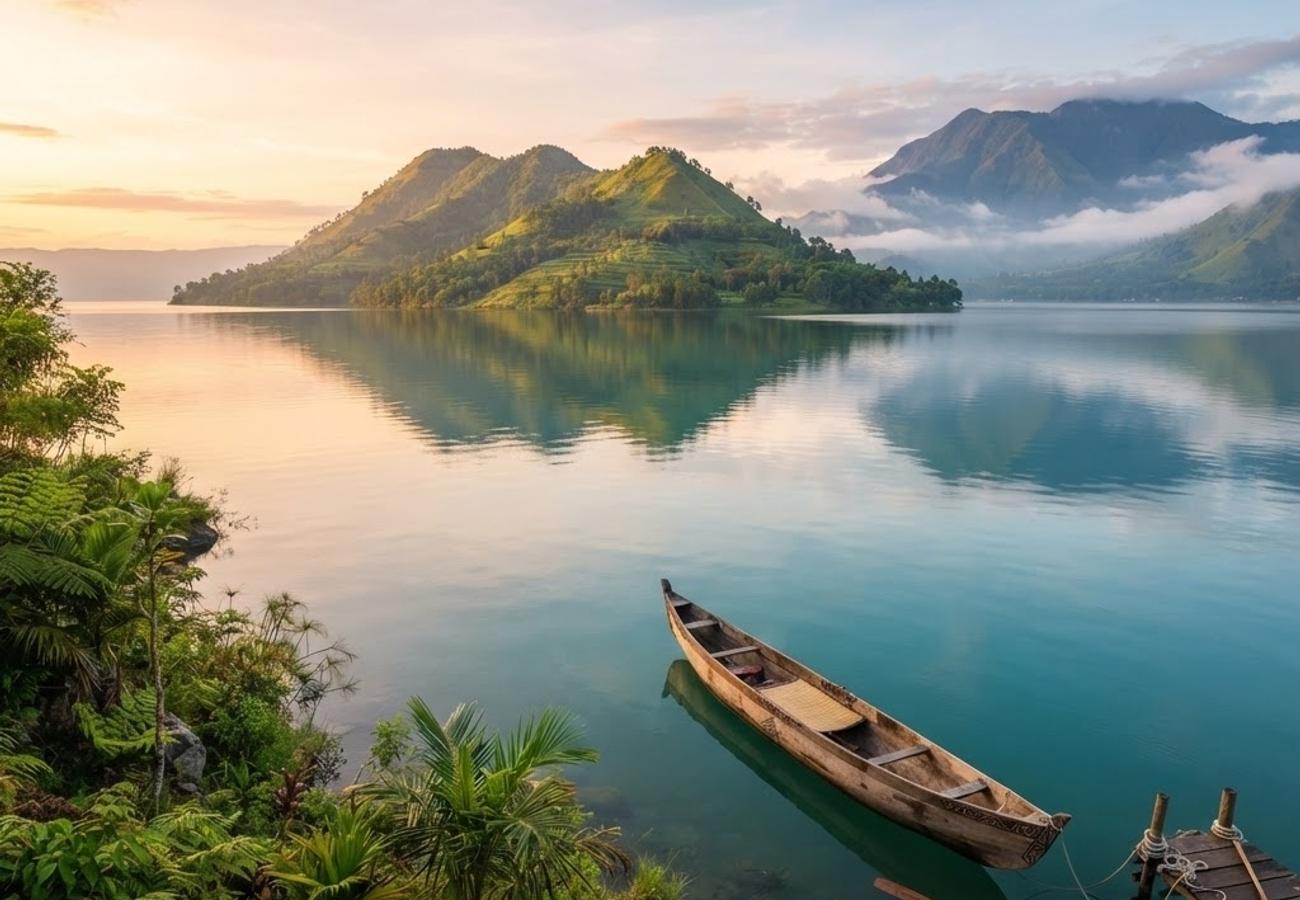
Image generated by AI
The Karo Regency administration has implemented a targeted closure of Lau Kawar Lake and its camping grounds effective 19 August 2026, yet the broader North Sumatra tourism circuit—including Medan and Lake Toba—remains fully operational.
The Local Shift: Targeted Safety Over Regional Shutdown
In a move to prioritize visitor safety without crippling the regional economy, Indonesian authorities have isolated the closure of Lau Kawar Lake to the immediate vicinity of Mount Sinabung. While the lakeside escape and its associated camping grounds in Kuta Gugung village are off-limits indefinitely, the restriction is a surgical strike against risk, not a province-wide lockdown.
For the traveler, the distinction is vital. The "danger zone" is a specific geographical perimeter, not a regional status. By separating the high-risk volcanic zones from cultural hubs like Berastagi and the shores of Lake Toba, North Sumatra is attempting to combat the "sensationalized media" effect that often leads to unnecessary tour cancellations across the province.
Volcanic Status and Risk Metrics
Mount Sinabung currently sits at Level II (Waspada). While not at the highest alert level, the Indonesian Geological Agency has detected a shift in seismic behavior. Monitoring through 12 August revealed an increase in deep volcanic earthquakes and emission-related tremors, including rare low-frequency and hybrid earthquakes.
The physical evidence of this unrest includes crater emissions of white-to-grey ash reaching heights of 1,000 metres. Consequently, the official exclusion zones have been expanded to ensure no one is caught in a sudden phreatic or magmatic eruption.
Updated Exclusion Zone Parameters (Effective 13 August, 10:00 AM Local Time)
| Sector | Previous Radius | Updated Radius | Status |
|---|---|---|---|
| Summit Perimeter | 2 kilometres | 3 kilometres | Restricted |
| South-to-East Sector | 3.5 kilometres | 4.5 kilometres | Restricted |
Beyond the volcanic threat, the regional conservation bodies warn of secondary lahar threats—mudflows triggered by rain—making river channels descending from the volcano particularly hazardous.
Cultural & Environmental Value: The Resilience of the Karo Highlands
The decision to close Lau Kawar specifically targets the vulnerability of overnight visitors. Unlike day-trippers, campers face limited mobile reception and slower evacuation timelines during nocturnal ashfall or sudden seismic shifts. By restricting these high-exposure activities, the Karo Regency is practicing a sustainable approach to disaster management that protects the long-term viability of the region's tourism.
The real impact for the visitor is a shift in focus toward the broader Karo Highlands. Berastagi, situated approximately 1,300 metres above sea level and 70 kilometres from Medan, continues to offer its renowned fruit and flower markets. The regional heritage here is built on agricultural resilience; the community has navigated Sinabung’s activity since its 2010 awakening, and the current restrictions are a normalized part of living with an active volcano.
Visitor Insider Tips
For those planning a trip to North Sumatra during this period, avoid relying on outdated travel blogs or social media reels.
- The "Safe Circuit" Route: Focus your itinerary on the Medan–Berastagi–Lake Toba axis. While Lau Kawar is closed, Samosir Island and the main Lake Toba attractions remain the primary anchors for leisure.
- Transport Logistics: Kualanamu International Airport remains the primary gateway. The drive to Berastagi typically takes two hours, but always verify road conditions via local guides as volcanic ash can occasionally affect visibility on highland roads.
- Cultural Etiquette: When visiting the Karo Highlands, support the local economy by purchasing produce directly from farmers' markets in Berastagi. This provides direct financial support to communities that bear the brunt of volcanic disruptions.
- Verification: Before departing for any highland site, check the latest status via the Indonesian Geological Agency or the local tourism department.
Tourism Outlook
North Sumatra's tourism economy is on a steady climb. According to BPS-Statistics Indonesia, the region saw 24,822 international tourist visits in October 2025. The ability of the province to maintain operations in Medan and Lake Toba while managing the Sinabung crisis demonstrates a maturing infrastructure in risk communication.
The long-term goal is to move away from "all-or-nothing" travel advisories. By maintaining the flow of visitors to Samosir and Medan, the region ensures that the economic recovery of 2025 continues unabated, treating the volcano not as a deterrent, but as a monitored element of the natural landscape.
Navigate the highlands with caution, but explore the culture with confidence.
Related Travel Guides
Disclaimer
This article is for informational and educational purposes only. It does not constitute legal, financial, or professional advice. While we strive to provide accurate and up-to-date information, travel policies, regulations, and conditions change rapidly. Always verify information with official sources before making travel decisions. Nomad Lawyer makes no representations about the accuracy, reliability, completeness, or suitability of the information provided. Readers should consult qualified professionals for advice specific to their circumstances. The views expressed in this article are those of the author and do not necessarily reflect the views of Nomad Lawyer.
Kunal K Choudhary
Co-Founder & Contributor
A passionate traveller and tech enthusiast. Kunal contributes to the vision and growth of Nomad Lawyer, bringing fresh perspectives and driving the community forward.
Learn more about our team →