
North America Travel Boom: Top US and Canada Destinations Drive Tourism Spending Surge
North America Travel Boom: Top US and Canada Destinations Drive Tourism Spending Surge

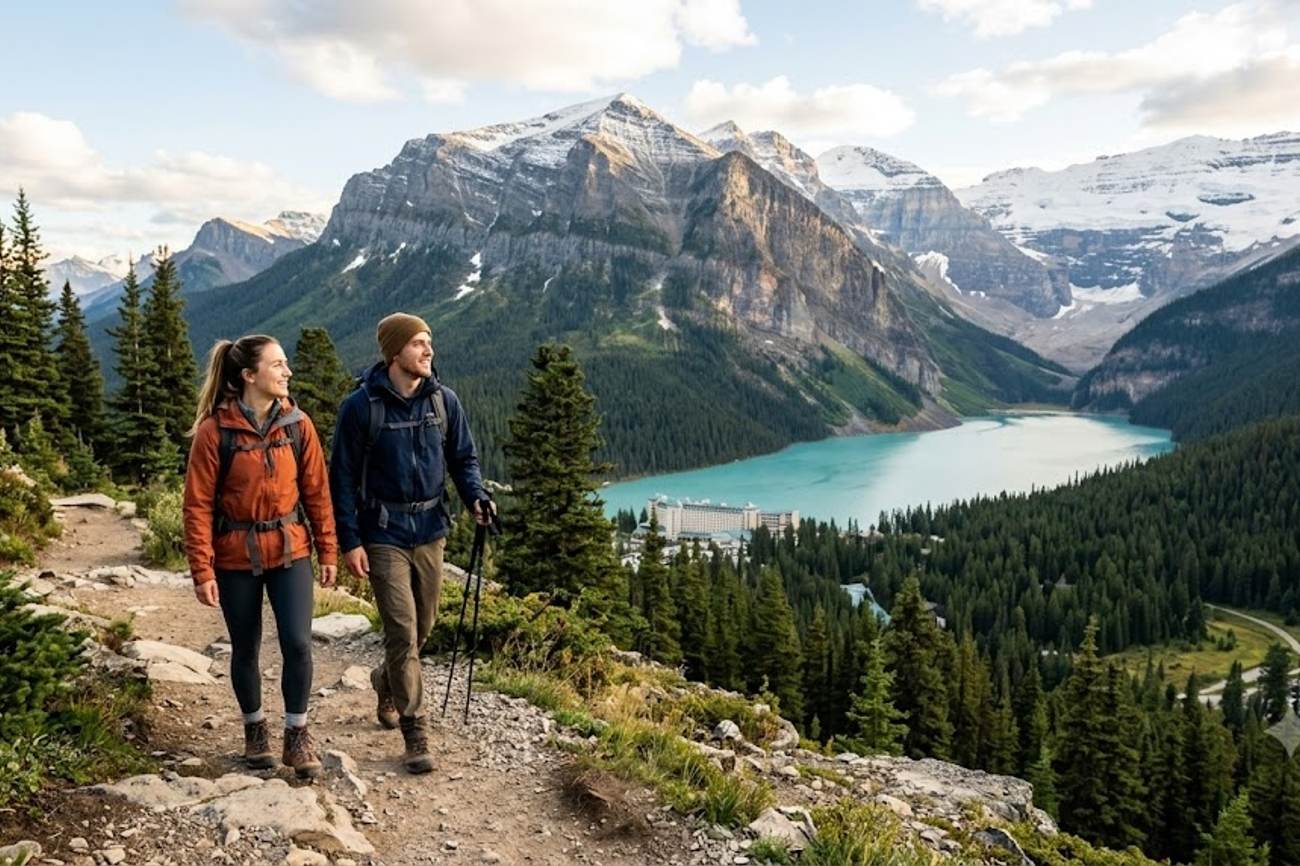
Image generated by AI
The shift toward experience-based tourism in North America is now measured not by arrival counts, but by the depth of visitor spending across local ecosystems. This transition marks a departure from the "landmark era" of travel, where success was defined by the number of passports stamped at major gateways. Instead, the current growth phase is driven by a sophisticated consumer demand for authenticity, where the economic value is distributed across boutique hotels, regional dining, and niche cultural attractions rather than being concentrated solely in ticketed monuments.
The Economic Pivot Toward High-Value Tourism
The traditional metric of "visitor volume" is being replaced by "tourism spending" as the primary KPI for destination health across the United States and Canada. This change reflects a fundamental shift in the business of travel: the rise of the intentional traveler. While a million visitors to a city might seem like a success, the economic reality depends on whether those visitors spend their budget at a global hotel chain or within the local community's restaurants and artisanal shops.
This spending-centric model is particularly evident in the way North American destinations are restructuring their offerings. The goal is no longer just to attract the traveler, but to extend the length of stay and increase the "per-capita spend" by offering layered experiences. By integrating digital connectivity with physical authenticity, destinations are creating "sticky" environments that encourage deeper financial investment from the visitor.
Regional Engines of North American Growth
The current tourism surge is not uniform; it is segmented by regional strengths that cater to specific traveler personas. The United States continues to leverage its massive infrastructure, while Canada capitalizes on its geographic scale and multicultural urban centers.
| Region/City | Primary Growth Driver | Target Demographic | Core Economic Assets |
|---|---|---|---|
| California | Hybrid Urban/Nature | International & Road-trippers | Hollywood, SF Landmarks, National Parks |
| Florida | Leisure Economy | Families & Retirees | Orlando Theme Parks, Cruise Ports, Gulf Coast |
| New York | Global Urban Appeal | Overseas First-timers | Broadway, Museums, Culinary Neighborhoods |
| Toronto | Multiculturalism | Urban Culture Seekers | Global Dining, Sports, International Gateways |
| Vancouver | Nature-City Integration | Adventure Travelers | Pacific Coastline, Mountain Ranges, Urban Parks |
In the U.S., California maintains its dominance by offering a "multi-modal" journey. The ability for a traveler to transition from the high-density entertainment of Los Angeles to the solitude of a national park within a single itinerary creates a high-value loop that benefits multiple sectors of the economy. Similarly, Florida’s model is built on year-round demand. By combining the Cruise Lines International Association ecosystem with themed entertainment in Orlando, Florida ensures a constant flow of capital regardless of the season.
New York City is evolving its strategy to combat "tourist fatigue." While Times Square remains a magnet, the city is aggressively promoting neighborhood-level exploration. This shift encourages visitors to move away from the center and spend their budgets in residential boroughs, distributing wealth more evenly across the city's geography.
Canada’s Strategic Integration of Wilderness and Urbanity
Canada is positioning itself as the premier destination for the "disconnect to reconnect" movement. The growth in Canadian tourism is heavily weighted toward nature-based experiences, which are increasingly viewed as luxury goods in an over-digitized world.
Toronto and Vancouver serve as the critical anchors for this strategy. Toronto leverages its status as a global multicultural hub to attract food and culture tourists, while Vancouver acts as a bridge between metropolitan convenience and rugged wilderness. The synergy between these cities and the surrounding national parks allows Canada to capture two distinct market segments: the urbanite and the adventurer.
The surge in outdoor tourism—ranging from skiing and hiking to indigenous-led wildlife experiences—indicates a broader regulatory and marketing shift toward sustainable, nature-centric travel. This is not merely a trend but a structural change in how Canada markets its landmass to the world, moving away from "sightseeing" and toward "immersion."
Expert Analysis: The Death of the "Checklist" Itinerary
For the modern traveler, the direct consequence of this shift is the decline of the "checklist" itinerary. For decades, North American travel was defined by hitting the biggest landmarks—the Statue of Liberty, the CN Tower, or Disney World—and then departing. The data now shows that the highest growth is occurring in "experience-based journeys."
The pricing pressure this creates is significant. As travelers seek "authentic" and "local" experiences, these niche offerings often command a premium price. We are seeing the "boutique-ification" of travel, where a stay in a curated local guesthouse or a guided indigenous tour in Canada costs more than a standard hotel room or a bus tour.
From a logistical standpoint, this means that infrastructure is shifting. We will see more investment in "last-mile" connectivity—better transport from major hubs like Toronto or New York into the smaller, regional towns that provide these authentic experiences. For the traveler, this means that while the "famous" spots remain accessible, the real value and the most memorable moments are now found in the periphery. The business of travel is moving from the "macro" (the city) to the "micro" (the neighborhood or the trail).
Key Takeaways
- Spending Over Volume: Destination success is now measured by total economic impact and visitor spending patterns rather than simple arrival numbers.
- Hybridization of Travel: The most successful regions, such as California and Vancouver, are those that seamlessly blend high-density urban attractions with immediate access to nature.
- Neighborhood Tourism: Major hubs like New York and Toronto are pivoting toward "local-style" exploration to distribute tourism spending beyond primary landmarks.
- Nature as Luxury: Canada is capitalizing on a global shift toward wilderness and outdoor adventure, positioning its national parks as primary economic drivers.
- Intentional Planning: Travelers are increasingly bypassing famous sites in favor of distinctive, culture-driven experiences that offer deeper personal connections.
FAQ: North America Travel 2024-2025
Is it more expensive to travel to North America now? Costs are shifting. While standard landmarks remain priced similarly, "authentic" and "experience-based" tours often carry a premium. However, exploring regional neighborhoods instead of tourist centers can often reduce accommodation and dining costs.
Which Canadian city is better for first-time visitors? It depends on your goal. Choose Toronto for a multicultural, urban experience with world-class dining and shopping. Choose Vancouver if you want a balance of city amenities and immediate access to mountains and the ocean.
Are US national parks becoming too crowded? Yes, the shift toward nature-based tourism has increased pressure on parks. To avoid crowds, travelers are encouraged to visit "hidden gem" regional parks or travel during shoulder seasons to maintain the "authentic" experience.
How is digital connectivity affecting the travel experience? Travelers are using digital tools to find "off-the-beaten-path" locations, but there is a growing trend of "digital detoxing" in Canada's wilderness areas to create a deeper connection with the environment.
The era of the tourist is ending; the era of the immersive traveler has begun.
Tags: California Tourism, Florida Leisure Economy, Toronto Multiculturalism, Vancouver Adventure Travel, North America Tourism Spending, Canada National Parks
Related Travel Guides
- Ditch the Heat Five Cool US Escapes Where Summer Comes With Mountain Air and Ocean Breezes
- Providence Erupts With Culture as PVDFest 2026 Brings Global Performances to Downtown
- Minnesota Tops The List Among Mega Airports as MSP Leads North America With Better Facilities, Service and Passenger Experience
Disclaimer
This article is for informational and educational purposes only. It does not constitute legal, financial, or professional advice. While we strive to provide accurate and up-to-date information, travel policies, regulations, and conditions change rapidly. Always verify information with official sources before making travel decisions. Nomad Lawyer makes no representations about the accuracy, reliability, completeness, or suitability of the information provided. Readers should consult qualified professionals for advice specific to their circumstances. The views expressed in this article are those of the author and do not necessarily reflect the views of Nomad Lawyer.
Raushan Kumar
Founder & Lead Developer
Full-stack developer with 11+ years of experience and a passionate traveller. Raushan built Nomad Lawyer from the ground up with a vision to create the best travel and law experience on the web.
Learn more about our team →