
Ditch the Heat Five Cool US Escapes Where Summer Comes With Mountain Air and Ocean Breezes
Ditch the Heat Five Cool US Escapes Where Summer Comes With Mountain Air and Ocean Breezes

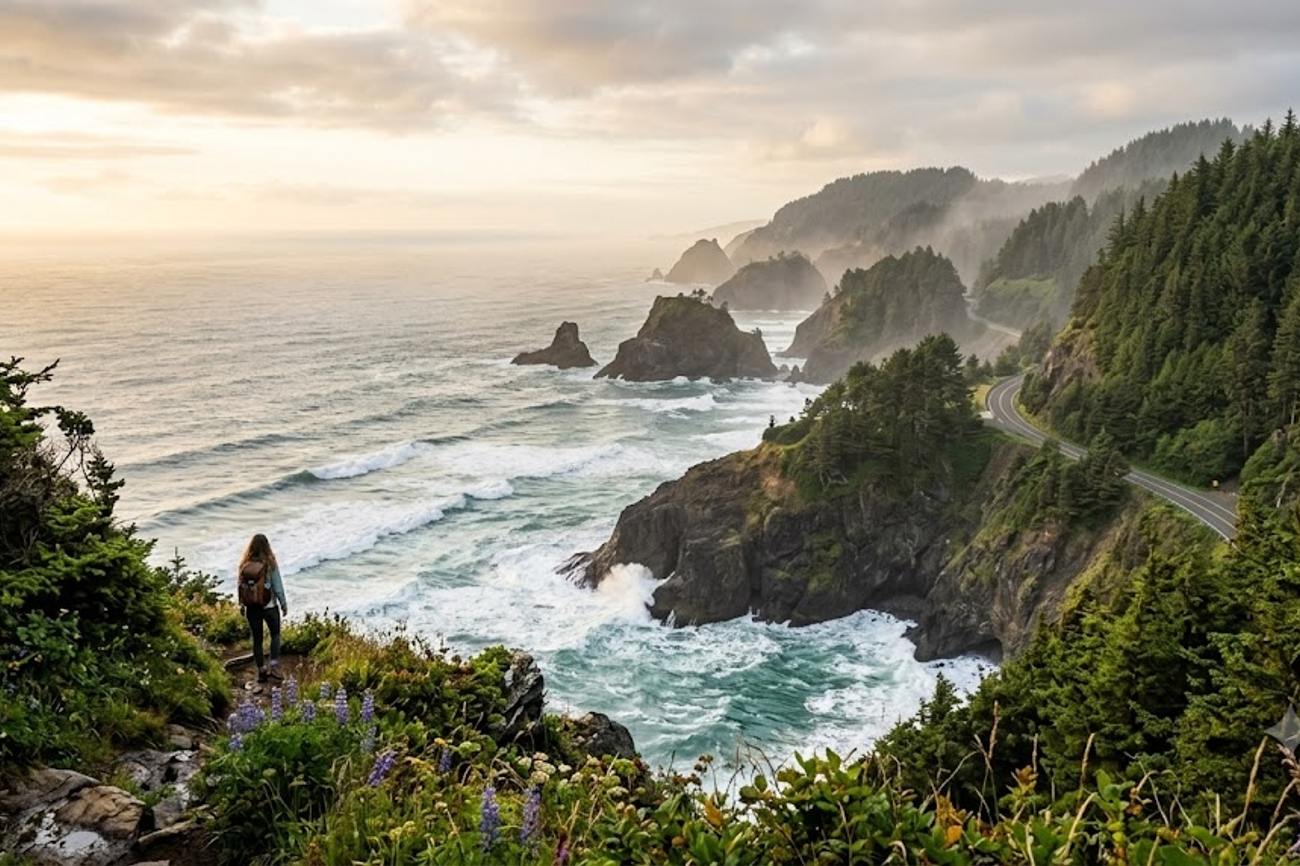
Image generated by AI
Location: United States Date: May 22, 2026 Topic: Rise of "Coolcation" Travel Trends Impact: High (Passenger Route Selection)
[Washington, D.C., May 2026] — American travelers are increasingly abandoning traditional sun-and-sand summer vacations in favor of "coolcations," a growing trend where tourists prioritize high-altitude, northern, or coastal destinations to escape record-breaking heatwaves.
This shift in consumer behavior is driving a surge in bookings toward the Pacific Northwest, Alaska, and the Northeast. Travelers are now actively seeking environments characterized by alpine climates, ocean breezes, and northern latitudes to ensure outdoor activities remain viable without the risk of heat exhaustion. This movement reflects a broader pivot in the US travel market, where "comfortable" weather has replaced "hot" weather as the primary driver for summer itinerary planning.
The Drivers of the Coolcation Shift
The immediate cause for this trend is the intensifying summer heat across the US interior, which has rendered traditional sightseeing and outdoor recreation hazardous or uncomfortable. By pivoting to "coolcations," travelers are optimizing for destinations where daytime temperatures allow for hiking, urban exploration, and nature photography without constant reliance on air-conditioned environments.
The trend is not merely about seeking cold weather, but rather "manageable" climates. This includes the utilization of the "marine layer" effect in coastal cities and the natural cooling provided by high elevation in mountain ranges. As a result, destinations that were previously viewed as shoulder-season or winter spots are seeing an influx of peak-summer traffic.
Regional Impact and Destination Data
The following regions are seeing the highest shift in traveler interest, each offering a distinct climatic profile to combat the summer heat:
| Destination | Primary Cooling Factor | Key Temperature Data | Notable 2026 Constraints |
|---|---|---|---|
| Denali National Park, AK | Arctic Latitude/Elevation | 33°F to 75°F (Summer) | Pretty Rocks landslide; bus access limited to East Fork Bridge (Mile 43) |
| San Francisco, CA | Pacific Ocean Marine Layer | Chilly June–August; Warmer Sept–Oct | N/A |
| Lake Tahoe, CA/NV | Sierra Nevada Elevation | July/Aug Highs: ~79°F; Lows: 42°F–43°F | N/A |
| North Cascades, WA | Alpine Topography | Newhalem Creek avg: 70s°F | Limited services at Stehekin Landing due to flood damage |
| Maine Coast | Atlantic Ocean Influence | July Average: ~70°F; Highs in 80s°F | N/A |
For those heading to the far north, the National Park Service (NPS) warns that summer weather in Alaska remains volatile, with snow possible even during the peak visiting months. In the West, the Visit California board emphasizes that San Francisco remains a primary hub for those seeking a city break without the inland heat of the Central Valley.
What This Means for Travelers
For passengers currently booking summer travel, the "coolcation" trend translates into several practical operational changes:
1. Logistics and Access Restrictions Travelers must account for infrastructure failures caused by environmental factors. In Denali, the Pretty Rocks landslide has fundamentally altered the park's interior access, meaning visitors cannot reach the furthest reaches of the park via the standard bus system. Similarly, those visiting the North Cascades must prepare for limited infrastructure around Stehekin Landing following recent floods.
2. Packing Requirements The "coolcation" requires a complete reversal of traditional summer packing lists. A trip to San Francisco in July often requires layers and windbreakers due to the dense fog, while a visit to Lake Tahoe requires gear for a 30-degree temperature swing between day and night.
3. Booking Competition As more travelers pivot away from traditional beaches, "cool" destinations are seeing higher occupancy rates. This is likely to drive up hotel pricing in coastal Maine and the alpine regions of Washington and California during June, July, and August.
4. Activity Shifts The focus is shifting from passive relaxation (beach lounging) to active exploration. There is increased demand for kayaking, paddleboarding, and high-altitude hiking in the Sierra Nevada and the North Cascades.
2026 Infrastructure and Access Outlook
The remainder of the 2026 summer season will be defined by how these "cool" destinations manage the influx of visitors against a backdrop of environmental instability. The Federal Aviation Administration (FAA) and regional transport authorities are monitoring increased traffic to smaller regional airports serving Alaska and Maine.
In Denali, the focus remains on the East Fork Bridge at mile 43, which serves as the current terminus for bus operations. Travelers are urged to monitor NPS updates daily. In Washington, while ferry services and private operators continue to function near Stehekin Landing, the capacity for tourist services remains diminished.
The long-term trend suggests that "climate-conscious" travel is becoming a permanent fixture of the US tourism industry. We expect to see a permanent increase in summer infrastructure investment in northern latitudes as the "coolcation" evolves from a trend into a standard seasonal preference.
FAQ: US Coolcations 2026
What is the best month to visit San Francisco to avoid the heat? June, July, and August are the coolest and foggiest months. If you prefer slightly warmer and sunnier conditions while still avoiding extreme heat, September and October are the ideal windows.
Can I still access the interior of Denali National Park in 2026? Access is restricted. Due to the Pretty Rocks landslide, buses are only operating as far as the East Fork Bridge at mile 43. You cannot access the full length of the park road this season.
What are the typical summer temperatures at Lake Tahoe? Daytime highs in July and August typically hover around 79°F. However, nights are significantly cooler, with average lows dropping to between 42°F and 43°F.
Are there travel restrictions in the North Cascades this summer? While the park remains open, services around Stehekin Landing are limited due to flood damage. Ferry services and some private operators are still functioning, but visitors should verify specific service availability.
Summer is no longer a race for the sun, but a search for the shade.
#DenaliNP-2026 #SFO-Summer-Coolcation #LakeTahoe-SierraNevada #NorthCascades-WA #MaineCoast-Travel #NPS-Access-2026
Related Travel Guides
Disclaimer
This article is for informational and educational purposes only. It does not constitute legal, financial, or professional advice. While we strive to provide accurate and up-to-date information, travel policies, regulations, and conditions change rapidly. Always verify information with official sources before making travel decisions. Nomad Lawyer makes no representations about the accuracy, reliability, completeness, or suitability of the information provided. Readers should consult qualified professionals for advice specific to their circumstances. The views expressed in this article are those of the author and do not necessarily reflect the views of Nomad Lawyer.
Naina Thakur
Contributor & Travel Specialist
Travel enthusiast and legal writer covering visa regulations, responsible tourism, and cultural journeys across global destinations.
Learn more about our team →