
Ningbo Commuter Fleet Unveils AI-Equipped A-Train for Lines 10 and 12
Ningbo has unveiled its advanced A-Train commuter fleet featuring AI sensors and 14% energy savings for two new metro lines launching in 2026, transforming passenger travel across China's east coast.

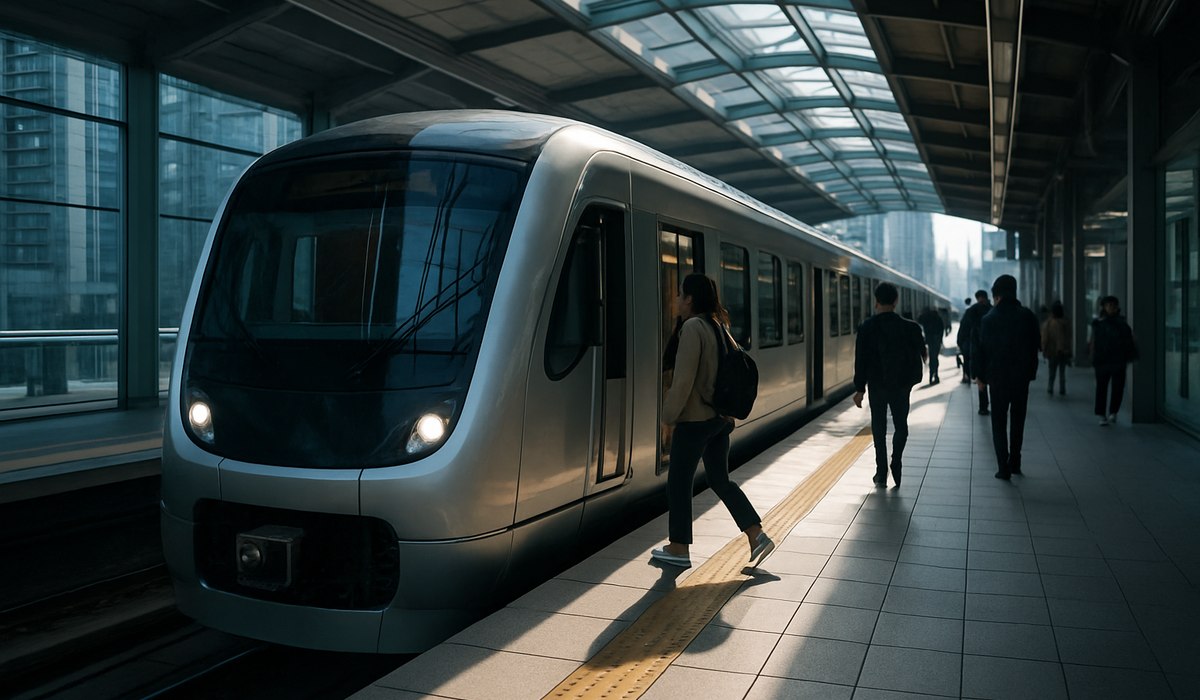
Image generated by AI
Ningbo's Next-Generation Commuter Fleet Arrives with Smart Technology
Ningbo has officially unveiled its cutting-edge A-Train commuter fleet, developed in partnership with CRRC Zhuzhou, a leading manufacturer based at the company's plant in this vibrant east coast city. The new four-car trains, stretching 95.3 meters in length, will serve two major metro expansions—Lines 10 and 12—launching later this year. Each train accommodates 1,010 passengers, including 178 seats, while pioneering AI-driven sensors and advanced energy-efficient systems set new standards for regional rail travel across Asia. This deployment marks a significant milestone as Ningbo Rail Transit continues its aggressive expansion agenda.
Smart Features Transform Passenger Experience
The Ningbo commuter fleet distinguishes itself through intelligent onboard technology that redefines comfort for daily riders. AI-powered sensors continuously monitor passenger loading in real time, automatically adjusting cabin lighting and temperature to match occupancy levels and environmental conditions. This smart responsiveness eliminates common discomforts associated with crowded transit and ensures personalized climate control throughout your journey.
Advanced noise suppression technology delivers noticeably quieter interiors compared to conventional trains, creating a peaceful travel environment even during peak hours. The trains feature transverse seating arrangements—now standard across many Chinese commuter lines—with tables available in select bays for working passengers or those needing workspace during their commute.
The 160 km/h service speed ensures quick connections between Ningbo's developing urban corridors, while the streamlined aerodynamic design reduces drag by 5%, contributing to overall system efficiency. These passenger-focused innovations reflect modern expectations for metropolitan rail networks in the Asia-Pacific region. Visit the official Ningbo Rail Transit website for detailed onboard amenities and service information.
Engineering Efficiency Cuts Energy Consumption by 14 Percent
The Ningbo commuter fleet achieves remarkable energy efficiency gains through permanent magnet synchronous traction motors, which reduce traction energy consumption by approximately 14% compared with traditional asynchronous systems. This substantial improvement matters significantly for both operational costs and environmental impact across Ningbo's expanding transit network.
Structural optimization and advanced materials have reduced each train's weight by 4.28 tonnes—a 2.4% decrease relative to conventional urban rail vehicles. The lighter design, combined with aerodynamic refinements, enables faster acceleration and smoother deceleration while minimizing electrical demand. These engineering achievements reflect CRRC Zhuzhou's commitment to sustainable transportation solutions.
Chief designer Cui Qingyi noted that the streamlined design specifically targets aerodynamic drag reduction, a crucial factor in high-frequency commuter operations. Every 5% improvement in drag translates to measurable energy savings over thousands of annual journeys. For passengers, this means lower operational costs potentially reflected in competitive fares while supporting Ningbo's carbon reduction targets. Explore more about energy-efficient rail systems through authoritative industry resources like Railway Technology publications.
Ningbo's Expanding Metro Network Transforms Urban Mobility
Ningbo's metro ambitions extend well beyond these two new lines. The city's public transit network will exceed 400 kilometers across 10 lines once Lines 10 and 12 open, representing one of Asia's most ambitious urban rail expansion programs. This growth reflects the city's strategic positioning as a major transportation and logistics hub on China's east coast.
Line 12/Xiangshan, stretching 61.4 kilometers, loops around the city center from the north before extending southeast. As of late March 2026, tracklaying was nearly complete, with railway systems installation and construction of 10 stations actively progressing. This line will dramatically improve connectivity for residents in outlying districts.
Line 10/Cixi, running broadly north-south for 63.6 kilometers, represents another critical corridor. Approximately 50% of track had been laid by March's end, with all 13 stations under active construction. Together, these two lines will integrate Ningbo's urban fabric, reduce traffic congestion, and establish the city as a premier transport destination in the Yangtze River Delta region.
Timeline and Service Launch Details
Both Lines 10 and 12 are scheduled to commence passenger operations in 2026, marking the culmination of years of planning and construction. The Ningbo commuter fleet will form the backbone of these services, with trains deployed across multiple daily service windows to accommodate varying passenger demands throughout morning, midday, afternoon, and evening periods.
The coordinated opening of two lines simultaneously will create network effects, allowing passengers to interchange seamlessly between multiple corridors. This integrated approach maximizes the utility of both investments while establishing comprehensive east-west and north-south connectivity. Exact opening dates are expected to be announced by Ningbo Rail Transit in the coming weeks, so monitor their official channels for confirmations and inaugural service details.
How to Book the Best Fare
When the Ningbo commuter fleet begins service, securing affordable tickets will depend on booking timing and frequency choices. Most Chinese urban rail systems offer daily passes, monthly subscriptions, and individual journey tickets at varying price points. Early-morning and late-evening commutes typically cost less than peak-hour travel.
Download the official Ningbo Rail Transit mobile application upon launch to access integrated journey planning, real-time train tracking, and fare comparison tools. Many systems in Asia's major cities now offer contactless payment through mobile wallets, QR code scanning, and IC cards. Purchasing weekly or monthly passes often provides 10-15% savings compared with individual tickets. Consider your expected journey frequency before committing to subscription plans. For comprehensive booking guidance, consult Trainline's Asia rail resources, which provides international perspective on regional rail ticketing best practices.
Service Changes and Station Network Expansion
The addition of Lines 10 and 12 will reshape passenger flows across Ningbo's existing metro infrastructure. Commuters previously relying on bus networks or private vehicles will have genuine alternatives for rapid, predictable transit. The integration of Ningbo commuter fleet trains with existing lines creates a true metro network rather than isolated corridors.
Interchange stations at major intersections will enable smooth transfers between lines, while the density of the new network—exceeding 400 kilometers—means residents throughout the metropolitan area will have improved last-mile connectivity. Station design incorporates modern accessibility features, including elevators, escalators, and clear wayfinding signage in both Chinese and English.
Onboard Amenities and Passenger Comfort Features
The Ningbo commuter fleet prioritizes passenger comfort through multiple integrated systems. Wi-Fi connectivity is expected throughout train interiors, allowing remote workers to remain productive during their commute. USB charging ports at select seating areas accommodate mobile device charging needs.
Climate-controlled cabins maintain optimal temperatures year-round, critical in Ningbo's subtropical climate where summer heat and humidity can be intense. The AI-driven environmental management system continuously monitors conditions and adjusts ventilation accordingly. Accessible seating areas with dedicated wheelchair spaces ensure inclusive travel for passengers with mobility requirements or temporary injuries.
Emergency communication systems allow direct contact with train operators, while modern surveillance provides passenger security and incident monitoring. Real-time passenger information displays show next station names, current travel time, and interchange opportunities in both Chinese and English languages.
Station Design and Transportation Hub Integration
Ningbo's metro expansion includes carefully designed stations that function as true transportation hubs rather than isolated platforms. Each new station incorporates connections to bus networks, bicycle parking facilities, and pedestrian pathways that encourage multimodal commuting patterns. Kiss-and-ride zones support quick vehicle drop-offs for commuters requiring flexible arrival patterns.
Station architecture incorporates natural lighting, reducing reliance on artificial illumination during
Disclaimer
This article is for informational and educational purposes only. It does not constitute legal, financial, or professional advice. While we strive to provide accurate and up-to-date information, travel policies, regulations, and conditions change rapidly. Always verify information with official sources before making travel decisions. Nomad Lawyer makes no representations about the accuracy, reliability, completeness, or suitability of the information provided. Readers should consult qualified professionals for advice specific to their circumstances. The views expressed in this article are those of the author and do not necessarily reflect the views of Nomad Lawyer.
Raushan Kumar
Founder & Lead Developer
Full-stack developer with 11+ years of experience and a passionate traveller. Raushan built Nomad Lawyer from the ground up with a vision to create the best travel and law experience on the web.
Learn more about our team →