
Nicaragua Unveils Five Hidden Slow Travel Destinations
Nicaragua's tourism authorities highlight five remote slow travel escapes including Solentiname, Ometepe, and Little Corn Island.

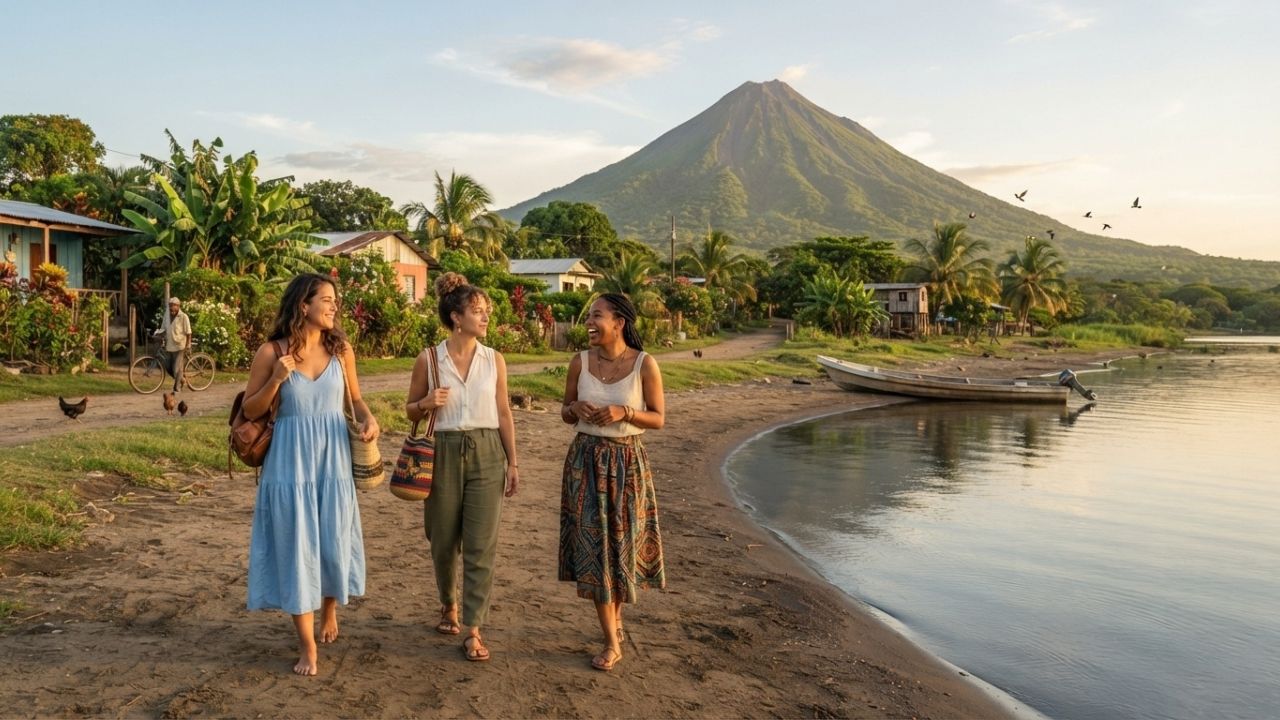
Image generated by AI
Nicaragua's tourism authorities have highlighted five remote slow travel escapes where islands, volcanoes, and historic villages offer authentic cultural immersion. These destinations invite travelers to step away from rushed itineraries and explore Central America at a more deliberate pace.
The evolution of modern travel shows a steady shift toward sustainable, low-impact tourism. Rather than visiting multiple crowded destinations in a few days, travelers are choosing to stay longer in single locations to engage with local communities.
Nicaragua's geography, characterized by volcanic regions, large freshwater systems, and car-free Caribbean shores, provides an ideal environment for this style of exploration.
Solentiname Archipelago: Primitive Art and Lake Cocibolca Wildlife
The Solentiname Archipelago consists of a quiet group of islands located within the southern reach of Lake Cocibolca (Lake Nicaragua). The region is globally recognized for its unique artistic heritage, where local painters and woodcarvers produce vibrant primitive art.
Visitors can explore family-run workshops, learn traditional woodcarving techniques, and observe the diverse bird species that populate the archipelago.
The quiet village paths and lack of commercial resorts make Solentiname a peaceful sanctuary for those seeking creative inspiration or quiet reflection.
El Castillo: Colonial Fortresses and San Juan River Transit
Situated further south along the historic San Juan River, the small settlement of El Castillo offers a look into Central America's colonial past. The town's defining landmark is the Fortress of the Immaculate Conception, built in 1672 to defend regional trade routes from pirate incursions.
Today, the car-free town features wooden houses on stilts and a relaxed atmosphere where the sound of the flowing river dominates.
Travelers can take guided boat excursions along the river, explore colonial stone ramparts, and hike the nearby Indio Maíz Biological Reserve to observe tropical wildlife.
La Garnacha: Mountain Farming and Estelí Cheesemaking Traditions
La Garnacha is a high-altitude farming community located in the mountains of Estelí, offering a different climate and environment from the tropical lowlands. The community focuses on sustainable agriculture, organic farming, and artisanal food production.
Visitors can tour family-run cheese production facilities, participate in agricultural harvesting, and hike to panoramic viewpoints overlooking the northern highlands.
By staying in local guesthouses and eating at community-run kitchens, travelers contribute directly to the rural economy while learning about mountain farming traditions.
Ometepe Island: Twin Volcanic Peaks and Cycle-Friendly Rural Paths
Ometepe Island, formed by the twin volcanic peaks of Concepción and Maderas, rises directly from Lake Cocibolca. The island's geography has preserved its traditional agricultural lifestyle, with small coffee farms, plantain fields, and archaeological sites scattered along its shores.
Exploring the island by bicycle or scooter allows visitors to travel at their own pace, stopping at natural freshwater springs and volcanic sand beaches.
Hikes up the forested slopes of the Maderas Volcano lead to crater lagoons and waterfalls, providing opportunities to observe diverse wildlife.
Little Corn Island: Digitally Detoxing on Car-Free Caribbean Sands
Located off the Caribbean coast, Little Corn Island offers a tropical getaway defined by the complete absence of motor vehicles. Travelers move exclusively on foot along sandy paths lined with palm trees, immediately establishing a relaxed rhythm of life.
The clear waters surrounding the island feature coral reefs, making it an excellent destination for snorkeling, scuba diving, and observing marine life.
With small eco-lodges and family-owned guesthouses lining the shore, the island provides a peaceful setting for reading, beach walking, and digital detoxing.
Traveler Advisory and Nicaraguan Regional Transit Tips
To help you organize your slow travel journey through Nicaragua:
- Confirm Ferry and Boat Schedules: Transit to Ometepe Island and the Solentiname Archipelago requires ferry crossings; verify sailing times with the Nicaraguan Tourism Institute (INTUR) before traveling.
- Opt for Community Guesthouses: Booking family-run homestays or community-managed lodges supports local economies and provides authentic cultural context.
- Coordinate Cash Withdrawals: Smaller destinations like El Castillo and Little Corn Island have limited ATM access; carry sufficient Nicaraguan Córdobas (NIO) for daily transactions.
- Local Culinary Specialties:
- Gallo Pinto: Try the national dish of fried rice and red beans, seasoned with onions and sweet peppers.
- Nacatamal: Sample traditional corn dough filled with pork or chicken, rice, and potatoes, steamed in plantain leaves.
- Carry Reef-Safe Sunscreen: Protect the marine ecosystems of Little Corn Island by using biodegradable sunscreens during diving and snorkeling excursions.
Future Projections for Central American Sustainable Tourism Networks
The growing appeal of slow travel highlights the need to preserve cultural and natural heritage in developing destinations. By promoting community-based tourism, Nicaragua establishes a model where local economies benefit directly from travel activities without compromising their traditional identity.
Over the coming decade, investments in solar energy, community cooperatives, and sustainable trail networks will improve regional connectivity. By maintaining strict environmental standards and promoting responsible travel practices, Central American destinations ensure their ecosystems remain protected for future generations.
Data Table
| Destination | Key Geographic Features | Primary Cultural & Nature Activities | Local Transit Method |
|---|---|---|---|
| Solentiname Archipelago | Island group in Lake Cocibolca | Primitive art workshops, birdwatching, lake tours | Public ferry, walking paths |
| El Castillo | Riverside settlement, San Juan River | Colonial fortress tours, rainforest hiking, river safaris | Riverboats, pedestrian streets |
| La Garnacha | High-altitude Estelí mountains | Artisanal cheesemaking, organic farming, scenic viewpoints | Walking trails, local transfers |
| Ometepe Island | Twin volcanoes (Concepción & Maderas) | Hiking, archaeological site visits, freshwater swimming | Bicycles, scooters, horses |
| Little Corn Island | Caribbean tropical island | Coral reef diving, snorkeling, beach walking | Pedestrian paths (No motor vehicles) |
Key Takeaways
- Community Integration: Nicaragua's slow travel destinations encourage travelers to stay longer and support family-run guesthouses, artisan workshops, and local restaurants.
- Natural Diversity: The escapes span diverse ecological zones, from freshwater volcanic islands to mountain pine forests and coral-fringed Caribbean islands.
- Sustainable Focus: Slow tourism preserves traditional identities and protects sensitive ecosystems from the impacts of mass commercial tourism.
FAQ
Q: Do I need to book ferry tickets to Ometepe Island in advance? A: While advance booking is not always required for passengers, it is recommended to confirm vehicle spaces on the ferry from San Jorge to Moyogalpa ahead of time.
Q: Can I access internet services on Little Corn Island? A: Limited Wi-Fi is available at local cafes and hotels, but bandwidth is restricted, making the island well-suited for a digital detox.
Q: Is English widely spoken in these remote Nicaraguan destinations? A: Spanish is the primary language in Solentiname, El Castillo, and La Garnacha, while English Creole is widely spoken on Little Corn Island.
Related Travel Guides
Disclaimer
This article is for informational and educational purposes only. It does not constitute legal, financial, or professional advice. While we strive to provide accurate and up-to-date information, travel policies, regulations, and conditions change rapidly. Always verify information with official sources before making travel decisions. Nomad Lawyer makes no representations about the accuracy, reliability, completeness, or suitability of the information provided. Readers should consult qualified professionals for advice specific to their circumstances. The views expressed in this article are those of the author and do not necessarily reflect the views of Nomad Lawyer.
Kunal K Choudhary
Co-Founder & Contributor
A passionate traveller and tech enthusiast. Kunal contributes to the vision and growth of Nomad Lawyer, bringing fresh perspectives and driving the community forward.
Learn more about our team →