
Nicaragua Opens a Daring New Route for Volcano Lovers Beach Seekers and Culture Fans
Nicaragua Opens a Daring New Route for Volcano Lovers Beach Seekers and Culture Fans

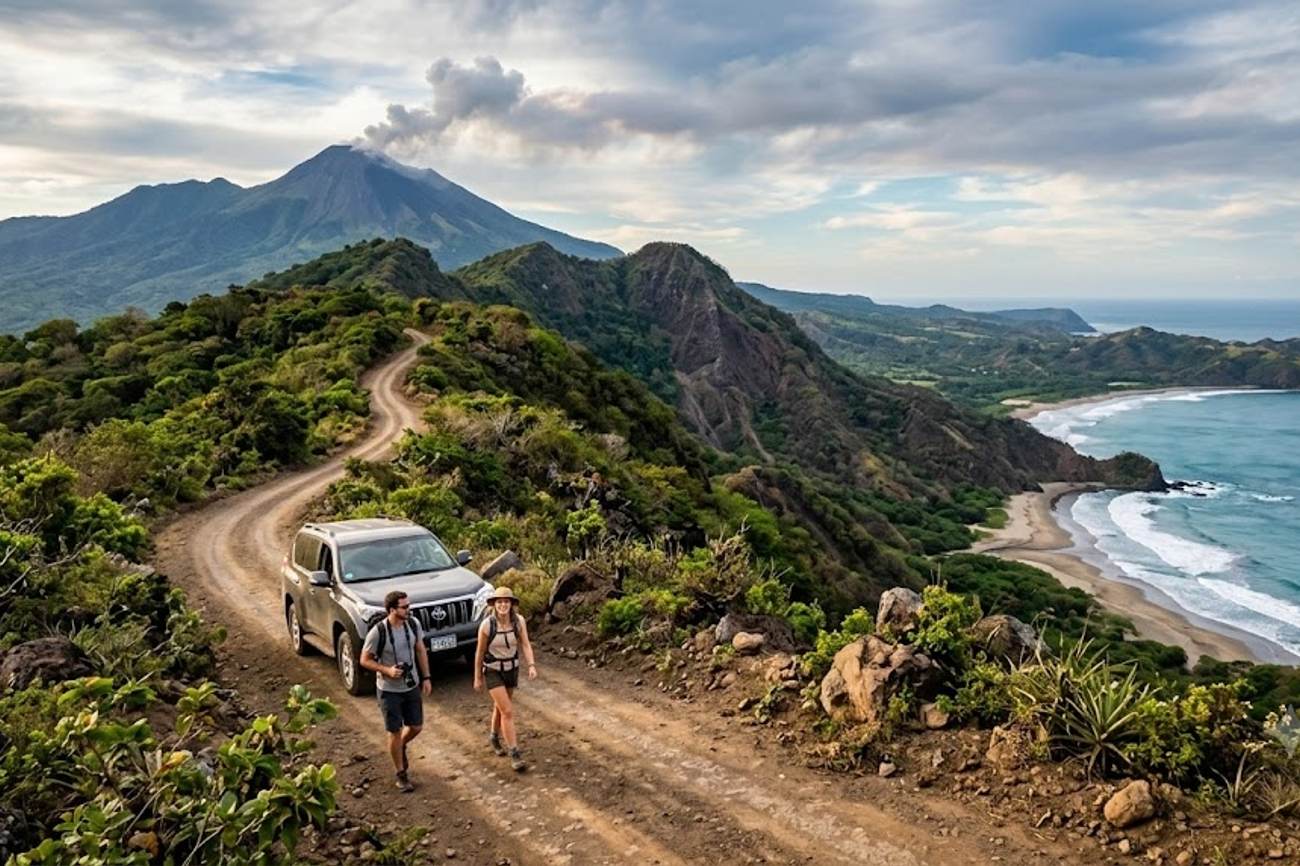
Image generated by AI
Are you planning a journey through Nicaragua's volcanic highlands or its remote Caribbean shores? Here is the essential logistics breakdown for navigating the country's diverse transit corridors and security requirements.
The Nicaragua Transit Framework
Traveling through Nicaragua requires a shift in mindset from the polished infrastructure of neighboring Costa Rica. The country is split into two distinct logistical zones: the Pacific corridor and the Caribbean coast. The Pacific side, encompassing Managua, Granada, and León, operates on a more traditional hub-and-spoke model with direct roads and established hotel networks. In contrast, the Caribbean side is characterized by slower transit times and a reliance on maritime and aerial connections.
Central to the country's geography is Lake Nicaragua, which serves as both a scenic highlight and a primary transit artery for reaching Ometepe Island. Because the country lacks a resident British diplomatic mission—with emergency support managed via the British Embassy in San José, Costa Rica—travelers must be self-reliant regarding their documentation and emergency planning. Furthermore, current US government advisories suggest citizens reconsider travel due to concerns regarding arbitrary law enforcement and wrongful detention.
Route and Schedule Details
The following table outlines the primary transit corridors for visitors moving between the major cultural and natural hubs of Nicaragua.
| Route | Primary Mode | Frequency | Typical Duration | Status |
|---|---|---|---|---|
| Managua $\rightarrow$ Granada | Shuttle/Bus | High | 1 - 2 Hours | Operational |
| Managua $\rightarrow$ León | Shuttle/Bus | High | 2 - 3 Hours | Operational |
| San Jorge $\rightarrow$ Ometepe | Ferry | Daily | Variable | Weather Dependent |
| Managua $\rightarrow$ Corn Islands | Flight | Scheduled | 1 - 2 Hours | Limited |
| Lake Nicaragua $\rightarrow$ Caribbean | Boat (Río San Juan) | Low | Multi-day | Seasonal/Eco-focused |
Traveler Logistics Guide
Navigating Nicaragua requires a proactive approach to ground transport and legal compliance. Follow these step-by-step instructions to optimize your transit.
1. Ground Transport Strategy Avoid independent night driving. The road networks, while direct on the Pacific side, can be unpredictable after dark. For transit between Granada and León, utilize reputable shuttle services rather than unverified private hires. When visiting the Masaya Volcano, ensure you coordinate with park staff, as access rules for the crater area can change without notice based on volcanic activity.
2. Ometepe Island Access To reach Ometepe, you must first travel to the port of San Jorge. From here, ferries transport passengers across Lake Nicaragua. Do not book tight connections immediately following your ferry arrival; lake conditions can cause significant delays. Once on the island, the most efficient way to navigate the differing terrains of the Concepción and Maderas volcanoes is via rented bicycles or local guides.
3. Caribbean Coast Logistics Reaching the Corn Islands requires significantly more lead time than Pacific routes. Big Corn Island offers more infrastructure, while Little Corn Island is entirely car-free. If you are flying into the islands, check your airline's cancellation policy, as flights are frequently impacted by weather. For those opting for the Río San Juan route, expect a slow-paced journey that requires booking through eco-tourism operators who prioritize wildlife conservation.
4. Digital and Legal Compliance Strict regulations are in place regarding surveillance and imagery. Do not use drones, as they are illegal in Nicaragua. Be extremely cautious when taking photographs in public, particularly near police checkpoints or government installations. Ensure you have a digital copy of your passport and visa stored in a secure cloud service.
The Nicaraguan government continues to streamline entry requirements to attract international visitors to its diverse volcanic landscapes and colonial cities. Travelers can find comprehensive visa guidelines and entry protocols through the official Ministry of Foreign Affairs to ensure a seamless arrival.
5. Health and Safety Documentation Given the lack of local consular support for some nationalities, comprehensive travel insurance is non-negotiable. Your policy must specifically cover medical evacuation. Before departure, verify your entry requirements via the Official Nicaragua Government Portal or your home country's foreign office, such as the UK Foreign, Commonwealth & Development Office.
Regional Connectivity Impact
The transit layout of Nicaragua creates a stark divide between the "fast" Pacific and "slow" Caribbean. The Pacific corridor facilitates a high-density tourism loop where visitors can move between the colonial architecture of Granada and the student-led energy of León in a single day. This connectivity allows for efficient "base-camp" travel, where a traveler stays in one city and takes day trips to the Masaya Volcano or the beaches of Poneloya and Las Peñitas.
Conversely, the Caribbean and Río San Juan regions operate on a "destination" logic. These are not day-trip locations; they are immersive zones that require several days of commitment. This shift in connectivity encourages a more sustainable, low-impact form of tourism, particularly along the river, where boat travel supports remote communities. The lack of cars on Little Corn Island further reinforces this transition from urban transit to a pedestrian-centric island economy.
FAQ: Nicaragua Transit 2024
Do I need a transit visa for Nicaragua? Visa requirements vary by nationality. Most travelers should check the official migration portal before arrival. Ensure your passport is valid for at least six months beyond your intended stay to avoid boarding denials.
How long should I allow for the Ometepe ferry? While the crossing itself is relatively short, you should budget at least 3-4 hours for the entire process, including boarding at San Jorge and disembarking on the island, to account for lake weather delays.
Can I use a drone to film the volcanoes? No. Drones are illegal in Nicaragua. Using one can lead to confiscation of equipment or legal trouble with local authorities. Stick to handheld cameras and avoid photographing government buildings.
Is it safe to drive between León and Granada? Driving is possible during daylight hours via reputable transport providers. However, night driving is strongly discouraged due to safety risks and road conditions. Use licensed shuttles for the most reliable experience.
Plan for the unexpected, respect the local laws, and let the volcanoes guide your route.
Tags: Ometepe-Ferry-Logistics, Nicaragua-Pacific-Corridor, Corn-Islands-Transit, Managua-Granada-Route, Nicaragua-Travel-Safety-2024
Related Travel Guides
- New Zealand Tourism Gains Momentum as Visitor Spending Growth Supports Regional Businesses and Exports
- The Gentlemen Filming Locations: How the Hit Series Sparked a Massive Tourism Boom in Gloucestershire, Wiltshire, and Italy
- Brazil Aligns with Argentina, Chile and More American Countries Moving Beyond Conventional Sightseeings and Appeal Tourists to Explore Adventure, Nature and Heritage
Disclaimer
This article is for informational and educational purposes only. It does not constitute legal, financial, or professional advice. While we strive to provide accurate and up-to-date information, travel policies, regulations, and conditions change rapidly. Always verify information with official sources before making travel decisions. Nomad Lawyer makes no representations about the accuracy, reliability, completeness, or suitability of the information provided. Readers should consult qualified professionals for advice specific to their circumstances. The views expressed in this article are those of the author and do not necessarily reflect the views of Nomad Lawyer.
Kunal K Choudhary
Co-Founder & Contributor
A passionate traveller and tech enthusiast. Kunal contributes to the vision and growth of Nomad Lawyer, bringing fresh perspectives and driving the community forward.
Learn more about our team →