
New Zealand Tourism Records 3.37 Million International Arrivals as Winter Travel Drives NZ$14.2 Billion Spend in 2026
New Zealand is diversifying its tourism economy by leveraging winter demand across regional hubs, moving beyond ski resorts to integrate wellness, Māori culture, and urban luxury.

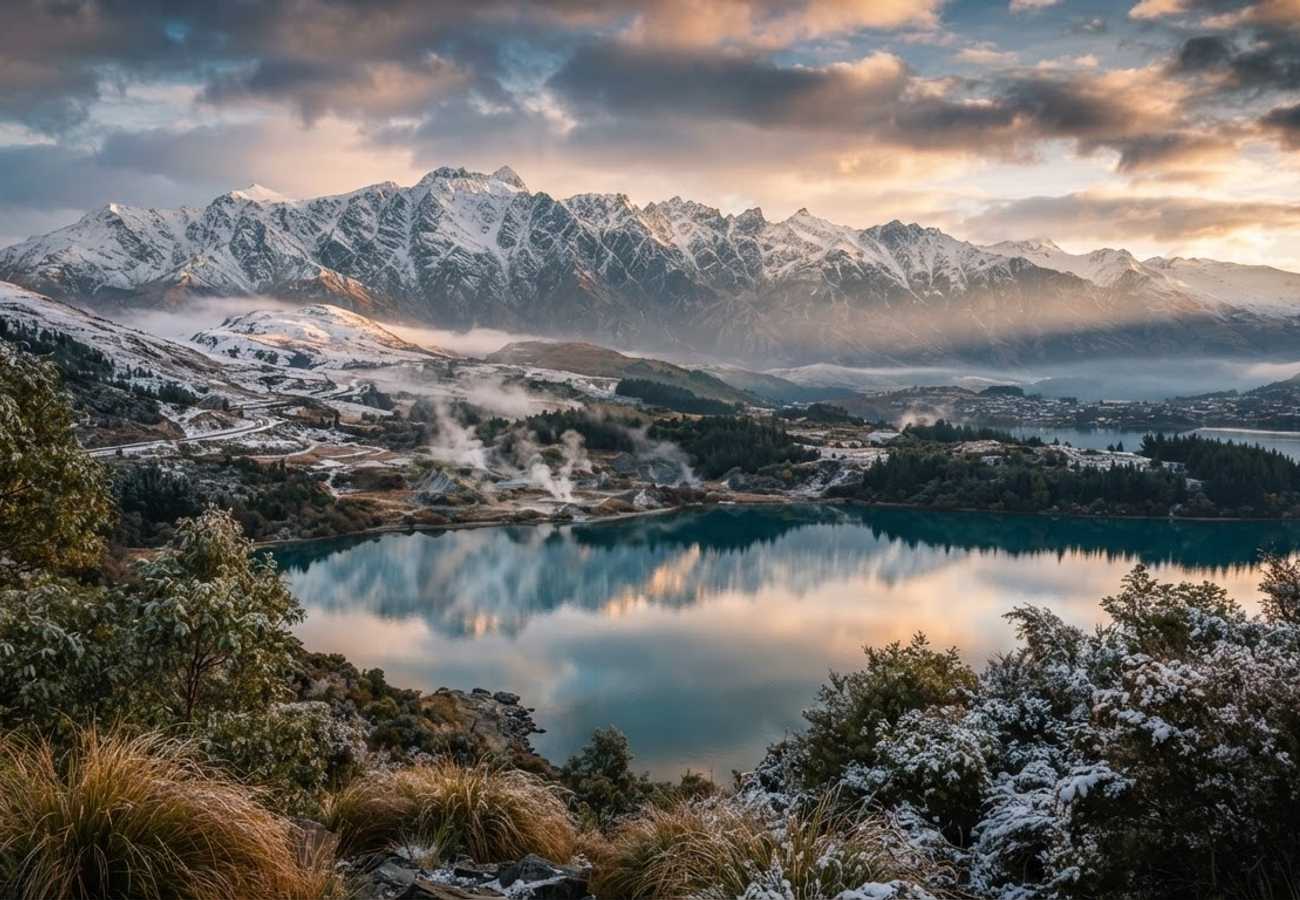
Image generated by AI
International visitor arrivals hit 3.37 million for the year ending March 2026, generating NZ$14.2 billion in expenditure. This surge highlights a strategic pivot toward winter-season diversification to sustain regional economies year-round.
The Shift Toward Year-Round Regional Demand
New Zealand is fundamentally redefining its seasonal narrative. While summer has traditionally dominated the tourism calendar with hiking and beach exploration, a concerted effort to strengthen winter demand is transforming the country into a true four-season destination. This shift is not merely about attracting more tourists during the colder months; it is about dispersing economic benefits across regional hubs that previously faced significant seasonal troughs.
By marketing a diverse array of winter products—ranging from high-end wellness and gastronomy to indoor cultural immersions—the tourism sector is ensuring that accommodation, dining, and retail operations remain viable throughout the calendar year.
Strategic Regional Hubs and Winter Appeal
The growth in winter tourism is being led by a mix of alpine magnets and urban gateways, each offering a distinct value proposition:
The Alpine Core: Queenstown and Wānaka Queenstown continues to anchor the winter economy. However, the trend has evolved beyond the ski slopes. The visitor economy now integrates luxury spa treatments, fine dining, and scenic cruises, attracting wellness seekers and families who may never set foot on a snowboard. Nearby Wānaka provides a smaller-scale alternative, acting as a critical link for South Island itineraries that connect Central Otago and other remote communities, ensuring visitor spend is shared across multiple small towns.
North Island Resilience: Rotorua and Urban Centers In the North Island, Rotorua has become a cornerstone of winter travel. The region leverages its geothermal assets and Māori cultural experiences to create a "warm" winter itinerary. The combination of geothermal bathing and indigenous heritage provides a weather-independent draw. Simultaneously, Auckland and Wellington are positioning themselves as "city break" destinations, utilizing their museums, waterfronts, and creative industries to maintain consistent visitor flows regardless of the temperature.
The South Island Gateway: Christchurch and Fiordland Christchurch serves as the urban entry point for the South Island, blending metropolitan shopping and dining with access to the Canterbury wilderness. Further south, Fiordland is seeing a rise in off-peak photography and wildlife tours, proving that the region's dramatic scenery remains a powerful draw outside the traditional summer window.
Economic Impact and Growth Metrics
The transition to a year-round model is backed by significant growth in international demand. According to Tourism New Zealand, the data for the year ended March 2026 reveals a robust upward trajectory:
| Metric | Value (Year Ended March 2026) | Year-on-Year Change |
|---|---|---|
| International Tourist Arrivals | 3.37 Million | +5% |
| International Tourism Expenditure | NZ$14.2 Billion | +9% |
This increase in expenditure suggests that visitors are not only arriving in higher numbers but are staying longer and spending more per trip. The integration of winter festivals and cultural programs has encouraged longer stays, which directly benefits local hospitality and retail sectors through increased multi-night bookings.
Cultural & Environmental Value
For the visitor, the real impact of this shift is a more authentic, less crowded experience of New Zealand's heritage. By spreading demand across the year, the pressure on "honey-pot" sites during the summer peak is reduced, aligning with broader sustainable tourism goals.
The focus on Māori cultural tourism in Rotorua and regional art scenes in Wellington ensures that tourism supports the preservation of living heritage rather than just providing a backdrop for photos. This model promotes a direct economic link between international spend and the conservation of regional cultural assets.
Visitor Insider Tips
To experience New Zealand's winter shift like a local, consider these strategic adjustments to your itinerary:
- The "Shoulder" Window: Visit in late May or September. You will find lower accommodation rates in Queenstown and Wānaka while still experiencing the dramatic alpine scenery.
- Geothermal Etiquette: When visiting Rotorua's geothermal pools, remember that many are situated on ancestral Māori land. Respect local signage and engage with certified cultural guides to understand the spiritual significance of the heat sources.
- Urban Layers: In Wellington and Auckland, the weather can shift rapidly. Local style favors "technical layering"—merino wool bases are the gold standard for transitioning from a windy waterfront walk to a high-end gallery.
- Hidden Gem: Instead of the main ski hubs, explore the quiet roads of Central Otago in winter for world-class Pinot Noir tasting rooms that are far less crowded than in January.
Tourism Outlook
The long-term trajectory for New Zealand is a move toward "value over volume." By diversifying the winter product mix, the country is reducing its reliance on the volatile summer peak. The continued investment in regional infrastructure and the promotion of wellness and culture suggest that New Zealand will increasingly be viewed as a premium, year-round destination. This strategy not only stabilizes the economy for local operators but also enhances the quality of the visitor experience by mitigating over-tourism.
Turning the frost of winter into a catalyst for regional prosperity.
Related Travel Guides
Disclaimer
This article is for informational and educational purposes only. It does not constitute legal, financial, or professional advice. While we strive to provide accurate and up-to-date information, travel policies, regulations, and conditions change rapidly. Always verify information with official sources before making travel decisions. Nomad Lawyer makes no representations about the accuracy, reliability, completeness, or suitability of the information provided. Readers should consult qualified professionals for advice specific to their circumstances. The views expressed in this article are those of the author and do not necessarily reflect the views of Nomad Lawyer.
Kunal K Choudhary
Co-Founder & Contributor
A passionate traveller and tech enthusiast. Kunal contributes to the vision and growth of Nomad Lawyer, bringing fresh perspectives and driving the community forward.
Learn more about our team →