
SafeTravel Alert: New Zealand Updates Advisory for 16 Middle East Nations
New Zealand's SafeTravel issues updated travel advisories for 16 Middle East countries due to regional geopolitical tensions and safety concerns.
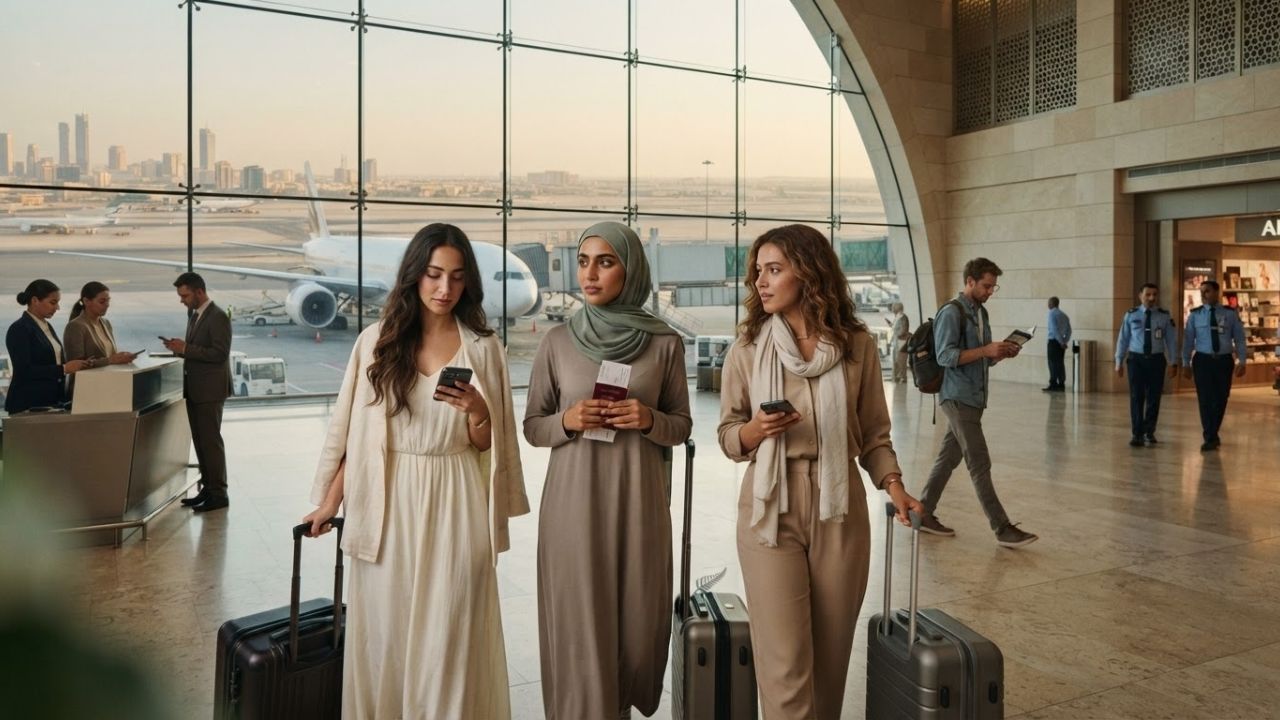
Image generated by AI
When New Zealand's SafeTravel issued a revised advisory for sixteen Middle Eastern destinations on August 6, 2026, it highlighted the volatile security conditions affecting some of the world's busiest aviation corridors. The updated guidance, released by the Department of Internal Affairs, urges travelers to review their insurance policies, register their itineraries, and exercise high levels of caution due to military strikes and civil unrest.
The Local Trend Revealed: Localized Risk Assessments in Suburban and Regional Hubs
National travel advisories are adopting a more analytical approach, moving away from broad national warnings to highly localized, region-specific risk alerts. This shift allows governments to protect citizen safety while supporting the economies of stable tourist zones. New Zealand's updated 2026 Middle East advisory demonstrates this balance. While high-level alerts apply to specific conflict zones, popular tourist resort corridors remain open under "exercise increased caution" guidelines.
The SafeTravel advisory reviews sixteen distinct destinations across the Middle East. Under Level 2 (increased caution) are Egypt, the United Arab Emirates, Qatar, Saudi Arabia, and Oman, which are all open for tourism but face possible transit or security pressures. Countries like Bahrain, Jordan, and Kuwait have warnings to avoid non-essential travel in specific high-risk areas. Finally, a strict 'Do Not Travel' warning—representing the highest alert level—applies to Iran, Iraq, Lebanon, Syria, Yemen, Israel, the Palestinian Territories, and the Libyan border areas due to armed conflicts and military activities.
Geopolitical instability across the Middle East is further complicated by the diverse socio-political and economic landscapes of individual states. While gulf nations like the United Arab Emirates and Qatar boast modern infrastructures, low domestic crime rates, and robust legal systems, they remain vulnerable to broader regional tensions that can affect maritime navigation and aviation pathways. Conversely, states undergoing active transitions or conflicts, such as Syria, Yemen, and Iraq, face significant challenges related to armed groups, infrastructure damage, and limited consular assistance for foreign nationals.
For instance, in Egypt, tourist areas along the Nile River, resort zones in Sharm el Sheikh (including Sharm el Maya, Hadaba, Naama Bay, Sharks Bay, and Nabq), and the Governorate of Faiyum are under Level 2 (exercise increased caution) warnings. However, the government advises against all travel to North Sinai, including the Suez-Taba road, and areas within fifty kilometers of the Libyan border due to ongoing military operations. This localized framework allows travelers to visit ancient monuments and coastal diving spots while avoiding high-risk border regions.
Cultural Heritage Preservation and Desert Safety Warnings
For the visitor, the real impact of these safety measures is the need to plan journeys with verified local agencies who understand regional guidelines. In countries like Egypt, safety risks extend beyond geopolitical tensions to long-standing environmental hazards. SafeTravel has issued warning guidelines about landmines in desert and coastal locations, including the areas around El Alamein, Marsa Matruh, the Sinai Peninsula, and the Red Sea coast south of Suez.
Desert tours and off-road expeditions represent a growing segment of adventure tourism in North Africa and the Sinai Peninsula. However, landmine fields dating back to World War II and subsequent conflicts continue to pose threats in remote regions. By ensuring that all off-road vehicles are accompanied by local guides certified by national safety boards, operators can prevent accidents while educating visitors on the historical events that shaped these desert landscapes.
To minimize these risks, the Egyptian Ministry of Tourism and Antiquities advises adventure travelers and off-road explorers to stick strictly to marked trails and work with authorized local guides. Sponsoring local guiding cooperatives directly supports the rural desert economy and ensures that visitor activities do not disturb fragile desert ecosystems. This responsible approach helps preserve historical battlefields and archaeological sites for future generations.
Middle East Aviation Hubs and Global Transit Security
Behind the scenes, regional instability can quickly impact global transport networks. Major transit hubs in the United Arab Emirates and Qatar are under increased caution warnings due to regional security tensions. SafeTravel warns that military developments could lead to sudden airspace restrictions, flight cancellations, or route changes.
International travelers passing through these airports must remain flexible and monitor schedule updates. The government emphasizes that standard travel insurance policies may not cover cancellations or emergency evacuations if the destination is under high-level warnings. Travelers should review policy conditions, register their itineraries with SafeTravel, and coordinate with airlines to secure flexible rebooking options.
Middle East Travel Guide: Transit Rules and Cultural Etiquette
For travelers planning a journey to the Middle East, SafeTravel and regional tourism boards suggest the following tips:
- Optimal Transit Windows: To minimize flight delays during seasonal traffic peaks, book transit connections through major hubs like Dubai or Doha during mid-day hours.
- Local Cultural Etiquette: When visiting religious or cultural monuments in conservative regions (such as Saudi Arabia or Oman), dress modestly by covering shoulders and knees. Women should carry a headscarf for temple and mosque visits.
- Avoid Protests and Gatherings: Foreigners must not participate in political demonstrations or protests. Large gatherings should be avoided, as they can quickly become unstable and lead to legal issues.
- Sample Regional Cuisine: Support local dining establishments during your stays. Sample traditional Egyptian koshari (a mix of lentils, rice, macaroni, and tomato sauce), try fresh dates in Saudi Arabia, or enjoy Omani cardamon coffee.
- Explore Certified Historic Sites: Visit UNESCO World Heritage sites, such as the historic district of Jeddah or the ancient ruins of Petra in Jordan, working only with registered local guides.
- Sinai Peninsula Geography: The Sinai Peninsula, a triangular peninsula in Egypt situated between the Mediterranean Sea to the north and the Red Sea to the south, is historic for its strategic role as a land bridge between Asia and Africa. Characterized by its rugged mountain peaks, vast deserts, and coastal coral reefs, the region has been a focal point for trade, pilgrimage, and military campaigns for millennia. Visitors should stay informed about localized safety rules before exploring its interior.
- Egyptian Highway Safety: In countries like Egypt, road safety is a significant concern due to varying driving standards, high speeds, and poor road conditions in rural areas. The traffic authority in Egypt has implemented speed limits and radar tracking along major highways, but accidents remain common. Travelers are strongly advised to avoid driving at night, use only registered taxi networks or private transfers arranged by their hotel, and wear seat belts at all times during their journey.
- Under-the-Radar Quiet Zones: At busy airports like Hamad International in Qatar, seek out the designated quiet lounges, which offer a peaceful environment for resting between long flights.
- Off-Peak Road Travel: To ensure road safety, avoid driving at night on unlit desert highways, as traffic accidents and stray animals present major hazards.
Long-Term Outlook for Middle East Tourism Resilience
The updated SafeTravel advisory highlights the need for flexible crisis management in international travel. By demonstrating that popular destinations can remain open through localized risk sharing, tourism planners are building a resilient visitor economy.
Over the coming decade, continued investments in aviation security, high-speed rail networks, and clear public safety updates will shape the Middle East travel market. By maintaining high security standards and promoting responsible tourist behavior, regional planners aim to protect the tourism sector. This approach ensures that the Middle East remains a vital gateway for global connectivity while preserving its cultural treasures for future travelers.
Disclaimer
This article is for informational and educational purposes only. It does not constitute legal, financial, or professional advice. While we strive to provide accurate and up-to-date information, travel policies, regulations, and conditions change rapidly. Always verify information with official sources before making travel decisions. Nomad Lawyer makes no representations about the accuracy, reliability, completeness, or suitability of the information provided. Readers should consult qualified professionals for advice specific to their circumstances. The views expressed in this article are those of the author and do not necessarily reflect the views of Nomad Lawyer.