New Zealand Restores UAE Travel Confidence As Dubai Tourism Roars Back With Strong Visitor Growth

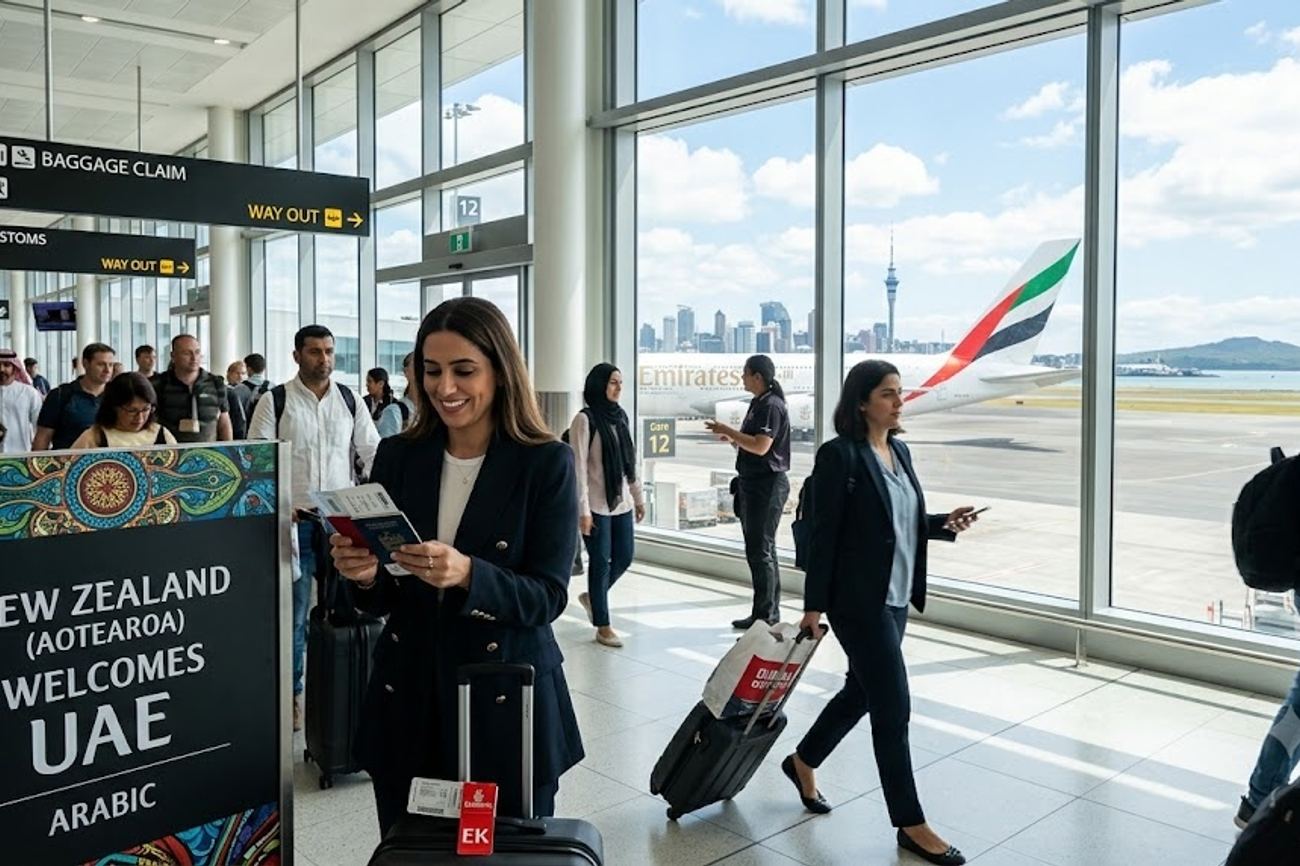
Image generated by AI
[Dubai, October 2025] — The New Zealand government has downgraded its travel advisory for the United Arab Emirates from Level 3 to Level 2, signaling a major shift in visitor confidence for the Gulf state. The update removes the previous recommendation against non-essential travel, now permitting New Zealand citizens to visit or transit through the UAE provided they exercise increased caution.
The decision follows a period of regional instability that had dampened international tourism and business travel. By moving the UAE to Level 2 on its four-tier safety scale—where Level 1 is normal precautions and Level 4 is a total travel ban—New Zealand joins a growing list of Western nations relaxing their restrictions. This move is expected to immediately trigger aggressive promotional campaigns from Emirates and FlyDubai to recapture the New Zealand market.
The Shift in Safety Guidance
The downgrade is a direct response to the UAE's efforts to stabilize its image as a safe global hub despite surrounding regional tensions. Under the new Level 2 guidance, New Zealanders are no longer discouraged from booking trips but are instructed to remain alert and adhere to local safety protocols.
This regulatory shift is not an isolated event but part of a broader trend of returning confidence. The UAE has been actively lobbying international partners to align their advisories with current on-the-ground realities. The goal is to eliminate the "friction" caused by high-level warnings, which often discourage leisure travelers and complicate corporate travel insurance policies.
Markets and Routes Impacted
The relaxation of travel warnings directly benefits specific aviation corridors and economic sectors. The primary beneficiaries include:
- Auckland (AKL) to Dubai (DXB): The primary gateway for New Zealand travelers, serviced heavily by Emirates.
- Christchurch (CHC) to Dubai (DXB): The critical link for South Island residents and business interests.
- The Corporate Sector: Professionals operating under the new Comprehensive Economic Partnership Agreement (CEPA).
- The Hospitality Sector: Dubai hotels, which are seeing a sharp climb in occupancy following the March dip.
The impact is further amplified by the recent implementation of a Comprehensive Economic Partnership Agreement between the two nations. Signed in January 2025 and entering into force last August, this trade deal aims to skyrocket annual bilateral trade from a 2019-2023 average of $1.5 billion to over $5 billion by 2032. The downgrade in travel warnings is the logistical catalyst needed to realize these financial targets.
Practical Traveler Advisory and Strategic Insights
For the average passenger, this change is more than just a bureaucratic update; it has tangible effects on the cost and ease of travel.
Insurance Accessibility: Many travel insurance providers refuse to cover trips to "Level 3" or "Do Not Travel" destinations. With the move to Level 2, New Zealanders will find it significantly easier and cheaper to secure comprehensive travel insurance for UAE-bound trips.
Flight Availability and Pricing: As demand from the New Zealand market increases, airlines like Emirates are likely to increase capacity. Travelers should expect a surge in targeted marketing offers and potentially more competitive pricing on routes to Auckland and Christchurch.
Transit Confidence: For those using Dubai International Airport (DXB) as a stopover to reach other destinations, the Level 2 status removes the psychological and legal hurdles associated with transiting through a "high-risk" zone.
Global Comparison of UAE Advisories
The UAE is currently navigating a fragmented landscape of international safety ratings. While New Zealand has moved to Level 2, other major markets maintain different stances:
| Country | Current Advisory Status | Note |
|---|---|---|
| United Kingdom | Relaxed (June) | Removed from "advised against" list; warns of volatility. |
| Australia | Relaxed (June) | Reduced from "Do Not Travel"; urges security review. |
| United States | Level 3 | Advises travelers to reconsider plans. |
| India | No Specific Guidance | One of the largest source markets; no formal warning. |
| New Zealand | Level 2 | Now permits travel with increased caution. |
Dubai's Tourism Recovery Metrics
The data indicates that Dubai is successfully decoupling its tourism performance from regional volatility. The city has seen a dramatic rebound in hotel performance and visitor volume.
In March, the first full month impacted by regional disruptions, hotel occupancy rates in Dubai plummeted to 36 per cent. By August, that figure had surged to 66 per cent. This recovery is mirrored in visitor numbers, with 869,000 international overnight guests arriving last month—the highest monthly total since February.
Over the first eight months of the year, Dubai welcomed 6.97 million international visitors. This puts the emirate on a trajectory to surpass its 2025 total of 19.59 million visitors, bringing it within striking distance of its long-term goal of 20 million annual visitors.
The Middle East Growth Outlook
The recovery in Dubai is a bellwether for the wider region. According to the ATM Travel Trends Report 2026, international visitor spending across the Middle East is projected to grow by $116 billion between 2025 and 2030. This represents a forecasted increase of 57 per cent.
Issam Kazim, CEO of the Dubai Department of Economy and Tourism, has emphasized that reducing advisory restrictions is the final piece of the puzzle. When governments lower their warnings, it creates a ripple effect: insurers lower premiums, airlines expand routes, and leisure travelers return in higher volumes.
Current booking data shows that the United Kingdom remains the dominant international source market, followed closely by Russia, France, and the United States. The addition of a fully reopened New Zealand market provides a strategic boost to the Asia-Pacific pipeline.
FAQ: UAE Travel 2025
Can New Zealand citizens now travel to the UAE? Yes. The advisory has moved from Level 3 (non-essential travel discouraged) to Level 2. New Zealanders can visit or transit through the UAE but are advised to exercise increased caution and monitor local safety updates.
Will this change affect flight prices to Dubai? While the advisory itself doesn't set prices, the expected increase in demand and subsequent promotions from Emirates and FlyDubai may lead to more competitive fares and increased flight frequency to Auckland and Christchurch.
Is travel insurance still available for the UAE? Yes. Most insurance providers are more likely to cover travel to Level 2 destinations than Level 3. Travelers should check with their specific provider, but the downgrade generally makes coverage easier to obtain.
How does the UAE's safety status compare to other countries? It varies by nation. While the UK, Australia, and New Zealand have relaxed their warnings, the US still maintains a Level 3 "Reconsider Travel" advisory. India provides no specific warnings.
The corridor between Auckland and Dubai is officially open for business.
Related Travel Guides
- British Airways Unveils Powerful Tanzania Travel Expansion With New Routes And Global Network Boost For 2027
- Croatia Travel Uncovers Stunning Split Getaway With Historic Wonders, Sunlit Beaches And Perfect Autumn Weather
- The Bahamas and Mexico City Unlock Historic Air Connectivity With New Aeroméxico Nonstop Route
This article is for informational purposes. Flight routes, passenger regulations, visa rules, and transit advisories are subject to change by airlines and aviation authorities. Readers are advised to verify schedules and travel documentation with relevant carriers and border agencies before departure.
Related Stories

New Zealand Visa Changes Delayed to Nov 23 2026 Amid South Island Weather Warnings

Phuket Luxury Tourism Surge 2026: High-Net-Worth Arrivals and New Aviation Routes