
New Zealand Injects NZ$5.7M to Protect Regional Airlines: Lifeline for Stewart Island and Remote Coastal Communities
New Zealand approves NZ$5.7 million in operating grants through the Regional Infrastructure Fund to sustain regional air routes connecting Stewart Island, Chatham Islands, and regional hubs.

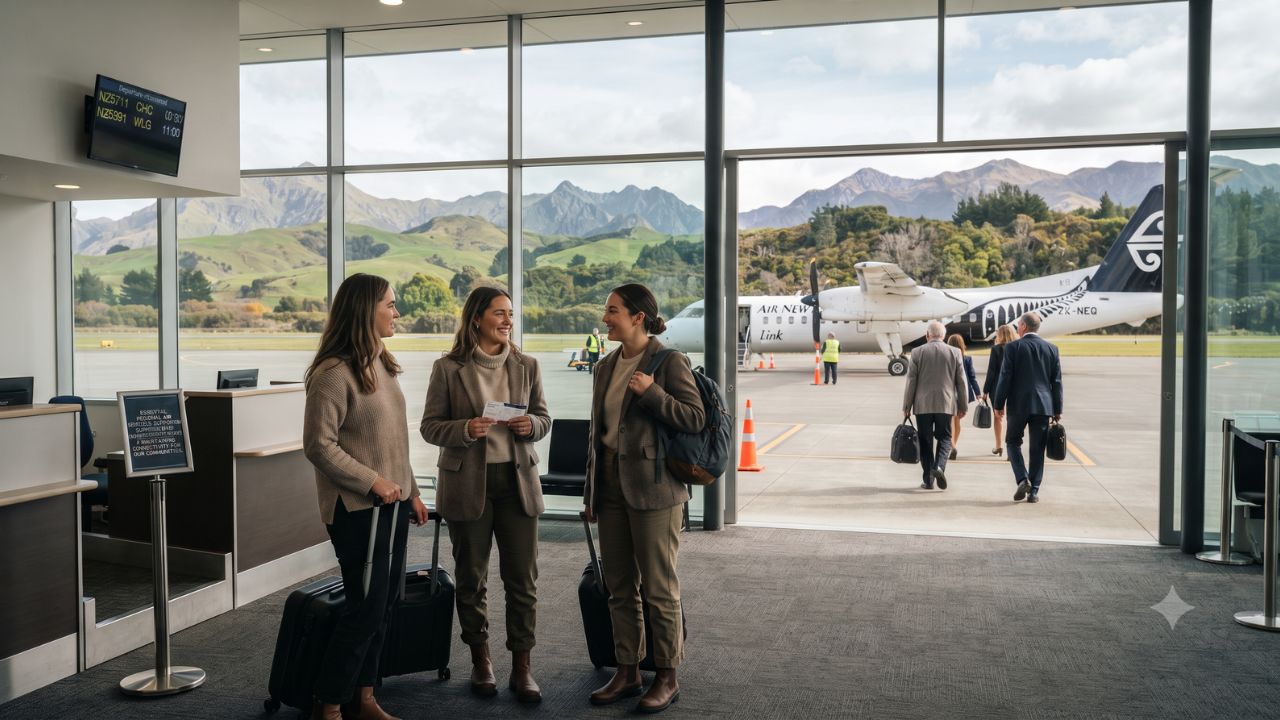
Image generated by AI
For remote communities on Stewart Island and the Chatham Islands, an 18-seat turboprop aircraft is not a travel luxury—it is an indispensable aerial lifeline delivering doctors, mail, fresh groceries, and outdoor travelers. On 5 October 2026, the New Zealand Government approved NZ$5.7 million in temporary working capital grants financed through the Regional Infrastructure Fund to shield small domestic airlines from severe cost pressures, where aviation fuel prices have surged by more than 50% since March.
The emergency 12-month relief package provides individual grants between NZ$300,000 and NZ$1.2 million per operator, ensuring that scheduled regional services remain operational across remote coastal airstrips and island outposts.
Government Interventions and Regional Aviation Funding Timeline
The grant distribution builds upon a structured sequence of concessionary loans introduced since late 2025 to support smaller operators across the North and South islands. By 5 October 2026, nearly NZ$26 million in concessionary loans had been recorded to support aircraft maintenance, leasing, and debt refinancing.
The targeted grant assistance directly offsets daily operational expenditures—such as jet fuel, aviation gasoline, and crew wages—bridging the gap between capital investments and routine flight operations across fragile regional routes.
New Zealand Regional Aviation Support Architecture
| Funding Stage & Date | Policy Instrument & Value | Key Supported Regions & Operators | Primary Operational Objective |
|---|---|---|---|
| 1 September 2025 | Concessionary Loans (Up to NZ$30m) | Small passenger operators nationwide | Favorable loan terms for aircraft leasing, debt refinancing, and post-disruption recovery |
| 24 April 2026 | Regional Route Lending | Chatham Islands, Whakatāne, Whanganui, Kāpiti, Picton, Blenheim, Nelson, Motiti Island | Securing regional economic connectivity and medical transport access |
| 8 September 2026 | Fleet Expansion Loan (NZ$640,000) | Stewart Island (Rakiura) | Expanding island-associated fleet by 25% (from 4 to 5 aircraft) for peak-season resilience |
| 28 September 2026 | Technical Maintenance Lending | Regional operators across North & South Islands | Covering mandatory aircraft overhauls and engineering compliance |
| 5 October 2026 | Working Capital Grants (NZ$5.7m) | Tiered awards (NZ$300,000 to NZ$1.2m) | Direct 12-month cash support for fuel and wages to maintain baseline service levels |
Official policy announcements and regional funding updates can be verified through the New Zealand Government (Beehive).
What Makes Regional New Zealand Flights Unique
Flying on New Zealand's regional network is entirely distinct from boarding a commercial jet in Auckland or Christchurch. Flights to Stewart Island (Rakiura) or the Chatham Islands operate with small twin-engine aircraft like the Britten-Norman Islander or Saab 340, skimming low over rugged coastlines, the Cook Strait, and native podocarp rainforests.
These flights provide vital transport access for multi-day trampers heading to the Rakiura Track, eco-tourists searching for wild kiwi birds in their natural habitats, and anglers exploring the remote waters of the Chatham archipelago 800 kilometers east of the mainland. By backing operators serving Whakatāne (the gateway to coastal Bay of Plenty), Whanganui, Kāpiti Coast, and the Marlborough wine corridor through Blenheim and Picton, the funding ensures travelers can explore beyond the standard tourist trail.
Tourism and conservation insights across these regions are coordinated through Tourism New Zealand and the Department of Conservation New Zealand (DOC).
Visitor Insider Tips
- Baggage Allowances on Small Aircraft: Regional island flights enforce strict baggage weight limits (often 15 kg per passenger). If taking multi-day hiking gear to Stewart Island or the Chatham Islands, pack compact, lightweight dry bags and weigh your luggage before reaching the departure airstrip.
- Flight Flexibility for Weather Windows: Flights into coastal and island strips like Rakiura's Ryan's Creek or Motiti Island depend on visual flight conditions. Build a 24-hour buffer into your itinerary when connecting back to international flights in Auckland or Wellington.
- Inter-Airline Itinerary Integration: Take advantage of newly approved digital booking integrations that allow travelers to link regional flight sectors with trunk routes on a single booking reference.
- Rakiura Hut Bookings: When booking regional flights to Stewart Island, secure your Great Walk hut and campsite passes on the Department of Conservation portal simultaneously, as bunk availability fills months ahead for the summer walking season.
Cultural and Environmental Context
Regional aviation is deeply intertwined with environmental guardianship (kaitiakitanga) and community preservation across Aotearoa New Zealand. Because many supported airstrips border pristine national parks and marine reserves, regional operators work closely with local iwi (Māori tribal authorities) and conservation rangers to enforce strict biosecurity protocols.
Passengers flying to offshore sanctuaries like Stewart Island must inspect their footwear, backpacks, and camping gear for invasive seeds, soil, and pests before boarding. Preserving reliable air access allows local eco-sanctuaries to welcome controlled numbers of conservation-minded travelers whose permit fees directly fund predator-free wildlife recovery projects.
FAQ: Visiting Regional New Zealand 2026
Do regional flight grants mean ticket prices will be cheaper? No. The NZ$5.7 million government grant package is designed to cover rising fuel and wage costs so airlines can maintain existing timetables, rather than subsidize discounted passenger fares.
How do travelers reach Stewart Island from the mainland? Travelers can board a 20-minute regional scenic flight from Invercargill Airport directly to Ryan's Creek Airstrip, or take a 60-minute passenger catamaran ferry across Foveaux Strait from Bluff.
What should travelers do if their regional flight is delayed by coastal weather? Small regional operators rebook passengers onto the next safe departure window as soon as coastal fog or high crosswinds clear. Maintain direct contact with your local airfield desk.
Is it safe to fly on small regional turboprops in New Zealand? Yes. New Zealand's Civil Aviation Authority enforces world-class maintenance and pilot licensing standards across all commercial passenger operators.
Across the wild shores of Aotearoa, supporting small regional wings ensures remote island communities and wilderness seekers remain seamlessly connected.
Related Travel Guides
Australia and New Zealand Cut Flight Capacity by 10%: Trans-Tasman Schedules Shrink Amid Fuel Crunch
The 10 Best Hidden Wilderness Escapes in New Zealand, According To Reddit
Disclaimer
This article is for informational and educational purposes only. It does not constitute legal, financial, or professional advice. While we strive to provide accurate and up-to-date information, travel policies, regulations, and conditions change rapidly. Always verify information with official sources before making travel decisions. Nomad Lawyer makes no representations about the accuracy, reliability, completeness, or suitability of the information provided. Readers should consult qualified professionals for advice specific to their circumstances. The views expressed in this article are those of the author and do not necessarily reflect the views of Nomad Lawyer.
Raushan Kumar
Founder & Lead Developer
Full-stack developer with 11+ years of experience and a passionate traveller. Raushan built Nomad Lawyer from the ground up with a vision to create the best travel and law experience on the web.
Learn more about our team →