
New Zealand, Australia, and South Africa Expand Winter Recreation and Wildlife Tourism 2026
New Zealand, Australia, and South Africa are diversifying visitor options with Queenstown's late-winter snow festival, Western Australia's Gascoyne food trail, and premium Sabi Sand safaris.

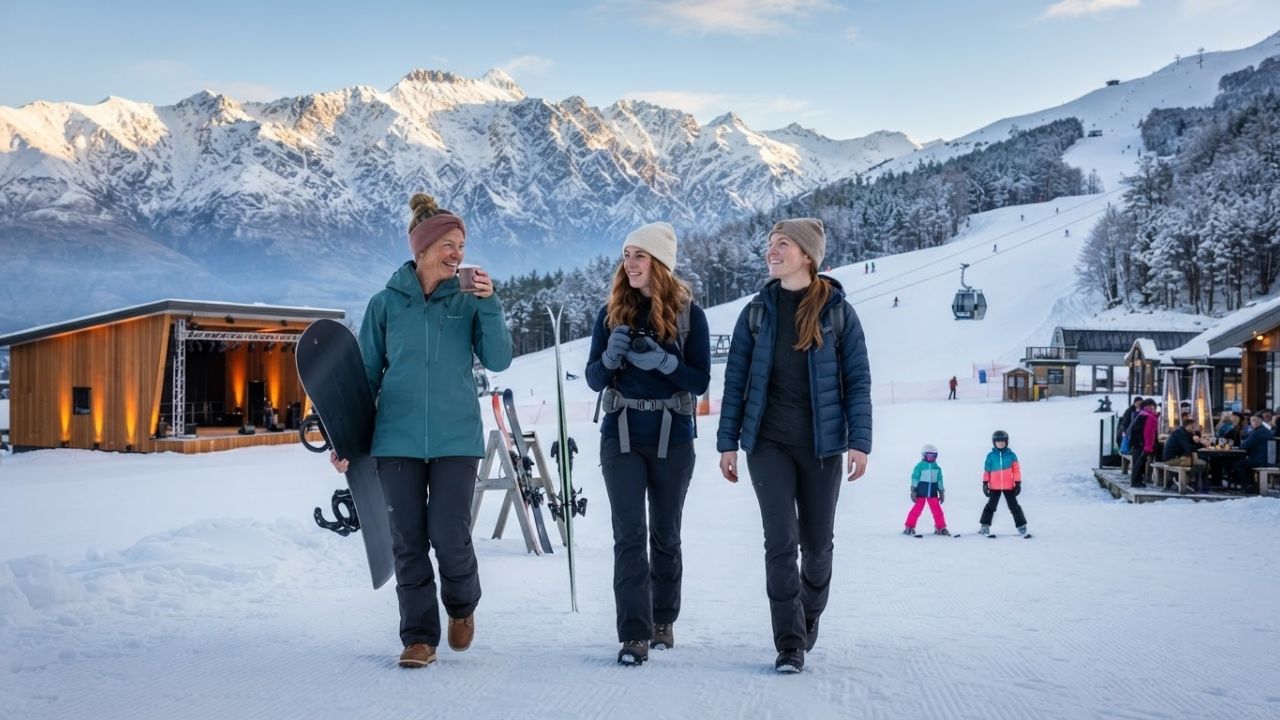
Image generated by AI
Southern Hemisphere destinations are diversifying their visitor experiences in 2026 through winter alpine festivals, regional gastronomic trails, and luxury wildlife accommodations. Driven by a 9% year-on-year surge in New Zealand arrivals and a 17.7% post-pandemic tourism recovery in South Africa, these lifestyle travel trends are distributing visitor footprints beyond traditional gateways.
Late-Winter Recreation and Music in Queenstown
Queenstown’s late-winter snow-and-music festival is scheduled from 8 to 13 September 2026, creating a significant draw for leisure travelers. While some travel descriptions describe it as a four-day event, the official destination calendar spans six days. This distinction is vital for visitors planning accommodation, equipment rentals, and lift pass arrangements in the resort town. The programme integrates skiing, snowboarding, live music performances, and mountain entertainment, providing a major economic boost to the local hospitality sector near the end of the Southern Hemisphere winter.
The festival takes place at a time when the four primary ski areas around Queenstown are still scheduled to operate. These ski areas are located between 20 and 90 minutes from the town center. While two of these mountains are scheduled to remain open into October 2026, the others are due to close in late September or early October. This seasonal availability gives festival-goers diverse options for combining outdoor winter recreation with cultural events. Tourism operators recommend booking accommodation, airport transfers, and mountain transport early, as demand rises steadily during the late-winter festival window.
Gastronomic Trails Across Western Australia's Gascoyne Region
In Western Australia, the Gascoyne food festival is scheduled from 21 August to 5 September 2026, promoting regional tourism through culinary tourism. The festival connects local agricultural output and wild-caught seafood with long-table meals, coastal dining events, outback station gatherings, and evening campfires. Rather than concentrating tourists in a single urban center, the event features a self-guided food trail that encourages visitors to explore Carnarvon, Exmouth, and Shark Bay.
The Gascoyne food festival was established in 2015, growing from a small local market into one of Western Australia’s largest regional gastronomic events. The state government has supported the initiative through a regional events program since 2013, helping connect farmers, food producers, and hospitality businesses. For travelers, navigating this vast region requires careful route planning. Carnarvon, Exmouth, and Shark Bay are separated by long driving distances through remote desert terrain, making vehicle preparation, fuel stop coordination, and advance accommodation reservations critical for a safe journey.
Cultural Integration and Wildlife Photography in Auckland
Auckland’s newest nature attraction brings wildlife exploration into an accessible cultural setting. From 28 June until 23 August 2026, the city’s principal museum is hosting an international wildlife photography exhibition presenting 100 nature photographs selected through a prestigious global competition. Admission to the exhibition is included with regular museum entry, making it an accessible urban attraction for photographers, families, and conservationists.
This indoor exhibition serves as an educational alternative to remote conservation areas, promoting environmental awareness without disturbing fragile ecosystems. For visitors wishing to photograph wildlife in the wild, Auckland’s coastal sanctuaries and nature reserves remain open. However, official conservation guidelines advise travelers to check local weather alerts, monitor trail conditions, and keep a safe distance from nesting seabirds and wild marine mammals. New Zealand’s land-safety departments recommend planning routes carefully, checking changing trail conditions, and carrying suitable emergency gear before entering protected parklands.
Rebound in Global Visitor Markets
Official tourism statistics highlight a strong post-pandemic recovery across both New Zealand and South Africa, demonstrating the growing demand for nature-based travel experiences. New Zealand welcomed 3.67 million overseas visitor arrivals in the year ending June 2026, marking an increase of 299,000 arrivals, or approximately 9 percent, compared with the 3.38 million arrivals recorded during the previous annual period.
South Africa’s tourism market has shown even stronger growth, welcoming 10.5 million international tourists in 2025 compared to 8.9 million in 2024. This 17.7 percent increase marks the country’s first return to pre-pandemic tourist arrival levels. This positive momentum continued into 2026, with the country recording 2,910,029 inbound travelers during the first three months of the year, representing year-on-year growth of 12.6 percent. Tourism remains a vital pillar of the South African economy, generating R361.7 billion in 2024, which is equivalent to 4.9 percent of the national gross domestic product (GDP) and supports approximately 954,000 direct jobs.
Premium Wild Safaris and Conservation in Sabi Sand
South Africa’s luxury safari sector is also expanding to capture this rising inbound demand, particularly within the Sabi Sand Game Reserve. Adjoining Kruger National Park, Sabi Sand is an established reserve known for its unfenced border, which allows wild animals to follow their natural migration routes. The reserve offers premium wildlife experiences, including guided game drives, walking safaris, and birdwatching, with over 300 bird species recorded in the area.
These safari operations provide critical economic support for local communities, funding conservation initiatives, anti-poaching programs, and direct employment for guides, trackers, and lodge staff. While private safari operators have announced a redesigned luxury property reopening in April 2027, travelers should verify booking dates and lodging details before planning. Additionally, visitors should distinguish private reserve fees from national park entry fees, as different properties apply separate pricing structures and access conditions to fund their conservation efforts.
Visitor Guide: Local Dining, Cultural Etiquette, and Practical Tips
Traveling through these diverse Southern Hemisphere destinations requires a blend of local logistics, cultural respect, and environmental awareness.
In Queenstown, visitors attending the late-winter festival should visit Coronet Peak or The Remarkables early in the day to enjoy the fresh snow. For casual dining, head to the famous Fergbaker on Shotover Street to try their signature steak and mushroom pie, or visit Smiths Craft Beer House for hearty poutine. If you plan to dine at premium venues like Amisfield near Lake Hayes, ensure you book weeks in advance. Remember that tipping is not expected in New Zealand, though it is appreciated for exceptional service.
In the Gascoyne region of Western Australia, driving safety is paramount. Be extremely cautious at dawn and dusk, when kangaroos, emus, and stray cattle are highly active near roads. If an animal appears, do not swerve; brake firmly in a straight line to prevent roll-overs. Carry extra drinking water and plan fuel stops in advance, as mobile coverage is limited. Try local specialties, including fresh sweet bananas in Carnarvon and wild-caught prawns in Exmouth.
In South Africa’s Sabi Sand, follow strict safari etiquette to ensure your safety and respect the wildlife. Keep your voice low and avoid sudden movements while on game drives. Do not stand up or lean out of the open safari vehicle unless instructed by your ranger. If your lodge is unfenced, always use a flashlight when walking at night and follow camp safety rules. Enjoy a traditional Braai (barbecue) in the outdoor boma under the stars, and support local community economies by purchasing handmade crafts directly from local Shangaan artisan cooperatives.
Future Outlook: Distributing Regional Demand and Eco-Tourism Goals
The growth of regional festivals and conservation-linked safaris represents a shift toward decentralized, high-value tourism. By developing products that highlight local food heritage, winter recreation, and wildlife conservation, New Zealand, Australia, and South Africa are successfully distributing travel demand away from overcrowded cities.
Additionally, this approach supports sustainable destination management, ensuring that local communities benefit directly from visitor spending. As global travelers prioritize environmental awareness, healthy living, and authentic cultural discovery, destinations that combine sustainable infrastructure with well-managed wilderness experiences will continue to lead the global travel market, building a resilient and balanced future for regional tourism.
Related Travel Guides
Disclaimer
This article is for informational and educational purposes only. It does not constitute legal, financial, or professional advice. While we strive to provide accurate and up-to-date information, travel policies, regulations, and conditions change rapidly. Always verify information with official sources before making travel decisions. Nomad Lawyer makes no representations about the accuracy, reliability, completeness, or suitability of the information provided. Readers should consult qualified professionals for advice specific to their circumstances. The views expressed in this article are those of the author and do not necessarily reflect the views of Nomad Lawyer.
Kunal K Choudhary
Co-Founder & Contributor
A passionate traveller and tech enthusiast. Kunal contributes to the vision and growth of Nomad Lawyer, bringing fresh perspectives and driving the community forward.
Learn more about our team →