
New Zealand, Australia, and Thailand Implement Strict Visitor Limits and Eco-Fees to Combat Overtourism in 2026
New Zealand, Australia, and Thailand are leading a global shift toward sustainable travel by introducing strict visitor quotas, environmental levies, and behavior codes to protect endangered ecosystems and cultural heritage sites from mass tourism.

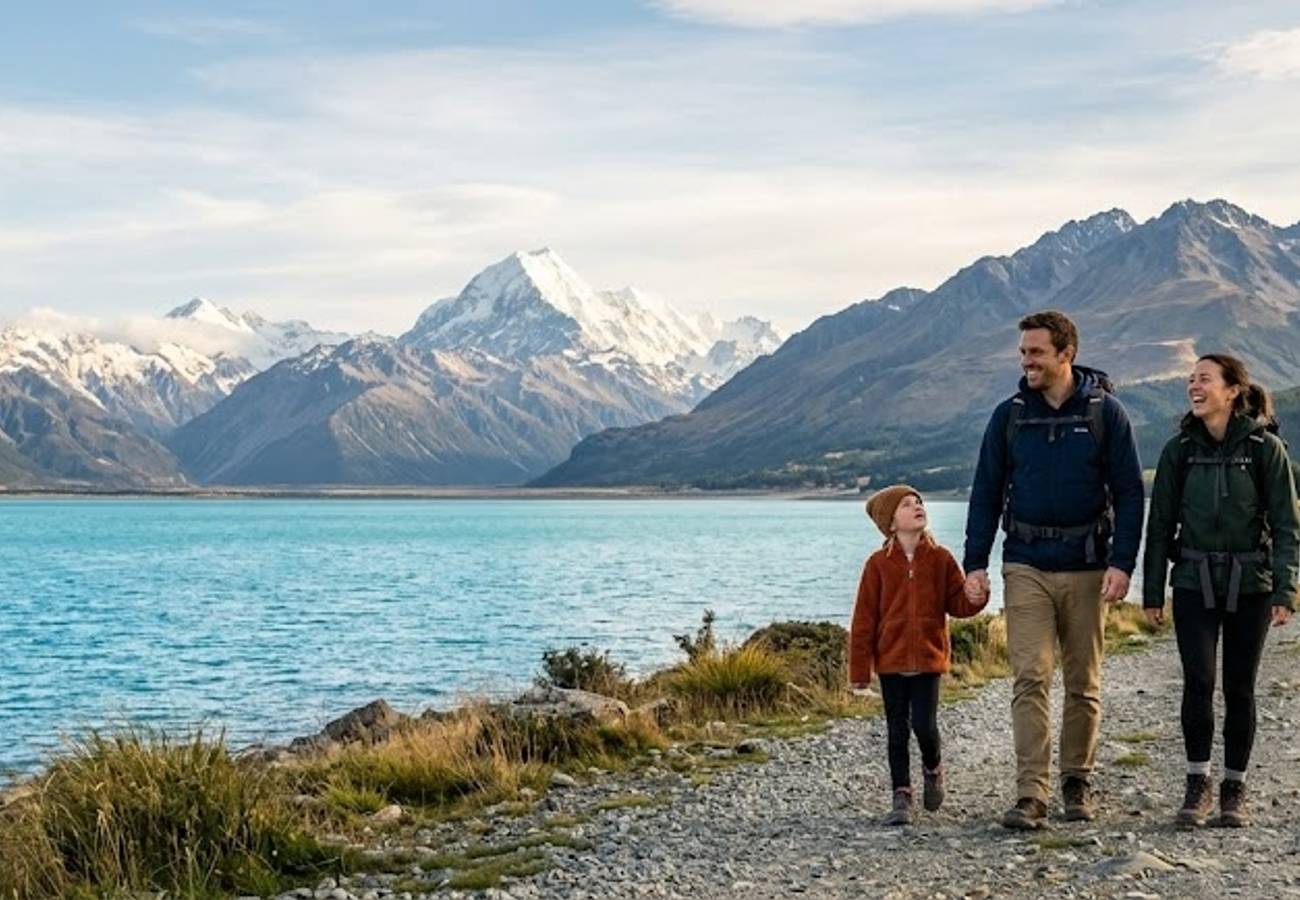
Image generated by AI
[Geneva, July 27, 2026] — A coordinated global shift in travel management is underway as New Zealand, Australia, Thailand, and several other powerhouse destinations implement aggressive visitor restrictions and environmental levies to halt the degradation of their most famous landmarks. Governments are moving away from the pursuit of raw arrival numbers, instead prioritizing a "quality over quantity" model to shield fragile ecosystems and local communities from the crushing weight of mass tourism.
The transition comes as a direct response to escalating challenges, including systemic waste accumulation, habitat destruction, and the erosion of local infrastructure. By introducing destination caps, mandatory eco-fees, and strict behavioral mandates, these nations are attempting to decouple economic growth from environmental decline.
New Zealand Integrates Conservation Levies and the Tiaki Promise
New Zealand has positioned itself as a global leader in regenerative travel, centering its strategy on the protection of its mountainous terrain, coastal regions, and Indigenous Māori heritage. The government is now actively filtering for "high-value" travelers—those who demonstrate a commitment to conservation and a willingness to contribute to the local economy over longer stays.
A cornerstone of this strategy is the International Visitor Conservation and Tourism Levy (IVL), which ensures that international arrivals directly fund the maintenance of tourism infrastructure and biodiversity projects. To manage human impact, the government has launched the Tiaki Promise, a behavioral framework that mandates visitors to:
- Safeguard natural landscapes and avoid wildlife disturbance.
- Show explicit respect for local community norms.
- Adhere strictly to all conservation protocols.
- Ensure destinations are left entirely waste-free.
To prevent the "bottleneck effect" at hyper-popular sites, authorities are diversifying traffic away from Queenstown, Milford Sound, and Tongariro National Park, steering travelers toward under-visited regional hubs to distribute economic benefits more equitably.
Australia Deploys Ecosystem Protections for the Great Barrier Reef
Australia is mirroring this approach by tightening controls over its vast natural assets. With a primary focus on the Great Barrier Reef and various national parks, the Australian government is utilizing marine conservation zones and rigorous wildlife protection rules to mitigate the impact of rising visitor demand.
In the Great Barrier Reef, where coral ecosystems are particularly vulnerable to human activity, visitors must now adhere to strict operational guidelines regarding boat activities, waste disposal, and wildlife interaction. To reduce the pressure on urban centers like Sydney and Melbourne, the state is aggressively promoting:
- Indigenous-led cultural tourism.
- Low-impact eco-lodges.
- Nature-based regional excursions.
Thailand Implements Mandatory Closures and Marine Quotas
Thailand, having faced some of the most severe overtourism crises in Asia, is now employing drastic measures to rescue its marine environments. The most prominent example is Maya Bay, which underwent a total temporary closure to allow the ecosystem to recover from the damage caused by unrestricted foot traffic.
Current management strategies in Thailand now include:
- Strict daily visitor quotas for national parks.
- Regulated boat transit and mooring systems.
- Controlled camping zones to prevent land degradation.
- A strategic pivot toward wellness tourism and longer-term cultural stays.
Japan Addresses Overtourism at Mount Fuji and Kyoto
Japan is facing a similar crisis as record-breaking international arrivals strain the infrastructure of its most iconic sites. At Mount Fuji, the government has introduced entry controls and mandatory fees to manage peak-period overcrowding and enhance climber safety.
In Kyoto, the focus has shifted toward "etiquette-based tourism." Local authorities are implementing measures to prevent the disruption of residential life in historic neighborhoods, urging visitors to adhere to cultural norms and avoid trespassing into private areas of the city.
India Adopts Smart Management for Wildlife and Pilgrimage Sites
India is integrating technology and strict permitting systems to balance its rapid tourism expansion with the need to protect its heritage. In national parks and wildlife reserves, the government has enforced:
- Fixed entry timings and limited safari permits to protect tigers and rhinos.
- Strict vehicle restrictions within protected zones.
Simultaneously, the management of religious tourism is being modernized through digital registration systems and controlled access points to ensure safety and sanctity at high-density pilgrimage sites.
Summary of Global Sustainable Tourism Measures
| Country | Primary Tool | Key Targeted Area | Focus Area |
|---|---|---|---|
| New Zealand | IVL Levy / Tiaki Promise | Milford Sound, Queenstown | Conservation & Māori Heritage |
| Australia | Marine Zones / Eco-lodges | Great Barrier Reef | Ecosystem Protection |
| Thailand | Temporary Closures / Quotas | Maya Bay, National Parks | Marine Recovery |
| Japan | Entry Fees / Etiquette Rules | Mount Fuji, Kyoto | Cultural Identity & Safety |
| India | Safari Permits / Digital Reg. | Wildlife Reserves, Temples | Biodiversity & Crowd Control |
The Impact on the Global Travel Economy
This systemic shift toward "smart tourism" is fundamentally changing the cost and accessibility of international travel. For the traveler, this means the era of "cheap, unrestricted access" to the world's most beautiful places is ending. Travelers should expect higher upfront costs due to conservation levies and the need for advanced bookings or permits to enter restricted zones.
From a logistical standpoint, these changes create a more predictable environment for local residents and a higher-quality experience for the tourist, who no longer has to compete with thousands of others for a view of a landmark. However, it also means that spontaneity is being replaced by regulation.
Why This Matters: The New Era of Responsible Travel
For the modern traveler, these developments signal a transition from "sightseeing" to "stewardship." The implementation of eco-fees and visitor limits is not merely a bureaucratic hurdle; it is a survival mechanism for the destinations themselves. When a country like Thailand closes a bay or Japan limits a mountain climb, they are preventing the permanent loss of the asset that drives their economy.
From a legal and planning perspective, travelers must now treat "tourism permits" with the same importance as their passports. Failure to adhere to behavior codes, such as the Tiaki Promise, could eventually lead to stricter penalties or bans from protected areas. The move toward "high-value, low-impact" tourism means the industry is finally pricing the environmental cost of travel into the ticket.
The future of global exploration now depends on the willingness of travelers to pay more for the privilege of preserving the planet.
Related Travel Guides
Disclaimer
This article is for informational and educational purposes only. It does not constitute legal, financial, or professional advice. While we strive to provide accurate and up-to-date information, travel policies, regulations, and conditions change rapidly. Always verify information with official sources before making travel decisions. Nomad Lawyer makes no representations about the accuracy, reliability, completeness, or suitability of the information provided. Readers should consult qualified professionals for advice specific to their circumstances. The views expressed in this article are those of the author and do not necessarily reflect the views of Nomad Lawyer.
Raushan Kumar
Founder & Lead Developer
Full-stack developer with 11+ years of experience and a passionate traveller. Raushan built Nomad Lawyer from the ground up with a vision to create the best travel and law experience on the web.
Learn more about our team →