
New York City Weekend Guide 2026: Navigating Rights, Attractions, and Cultural Logistics
An authoritative guide to visiting New York City in 2026, combining essential sightseeing itineraries with critical consumer rights for travelers facing disruptions in the Big Apple.

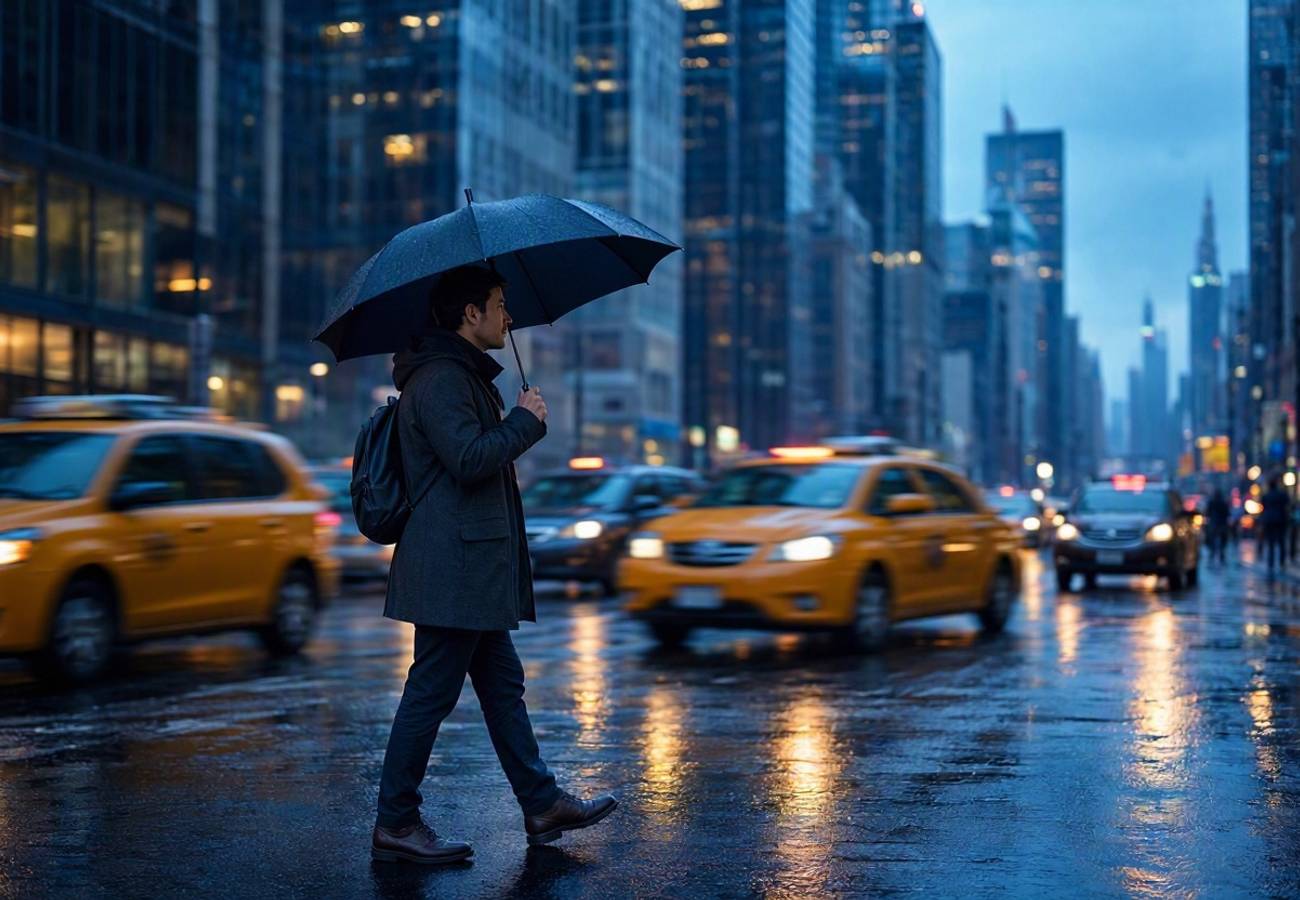
Image generated by AI
Imagine landing at JFK International Airport only to find your pre-booked hotel in Midtown Manhattan has overbooked your room, or your connecting flight to the city was cancelled without a clear refund path. For the millions of visitors descending on New York City in 2026, the excitement of the skyline is often matched by the complexity of navigating one of the world's most demanding travel hubs.
The 2026 New York City Visitor Experience
New York City remains a global epicenter of tourism, driven by a high-density concentration of landmarks and a diversifying borough-based economy. In 2026, the city's appeal is split between the traditional high-energy hubs of Manhattan and the burgeoning creative districts of Brooklyn and Queens. While the "city that never sleeps" offers endless discovery, the logistical pressure on its infrastructure means travelers must be as prepared for disruptions as they are for sightseeing.
Core NYC Destinations and Experience Mapping
To maximize a limited weekend window, visitors typically divide their time between the commercial heart of the city and the cultural fringes. The following breakdown categorizes the primary zones of interest for 2026.
Primary Borough Highlights
| Borough | Primary Focus | Key Sites | Recommended Activity |
|---|---|---|---|
| Manhattan | Global Landmarks | Times Square, Empire State Building, Fifth Avenue | Luxury shopping & skyscraper views |
| Brooklyn | Creative & Local | DUMBO, Williamsburg, Brooklyn Bridge | Waterfront photography & arts |
| Queens | Multiculturalism | Flushing, Long Island City | International culinary exploration |
Cultural and Recreational Anchors
The city's infrastructure is built around several "anchor" experiences that define the visitor journey. Central Park serves as the primary natural lung for Manhattan, offering cycling and boat rides. Broadway continues to be the premier destination for performing arts, while the museum corridor—featuring the Metropolitan Museum of Art and the MoMA—provides a high-density cultural education.
Your Rights as a Passenger and Tourist
Traveling to NYC often involves complex flight and hotel bookings. When things go wrong, knowing the legal framework is the difference between a lost deposit and a full recovery.
Flight Disruptions and US DOT Rules
Unlike the EU's EC 261/2004, the United States does not have a federal law mandating fixed cash compensation for delayed or cancelled flights. However, the U.S. Department of Transportation (DOT) has recently tightened rules regarding refunds.
- Automatic Refunds: If your flight to NYC is cancelled or significantly changed, and you choose not to travel, you are entitled to a full refund to your original form of payment—not just a travel voucher.
- Tarmac Delays: Under federal law, airlines cannot keep passengers on a plane on the tarmac for more than three hours (domestic) without offering food, water, and the opportunity to debark.
- Baggage Issues: If your luggage is lost or damaged during your trip to JFK or LaGuardia, the airline is liable for the replacement cost of the items, up to a legal limit.
Hospitality and Booking Protections
For those booking luxury stays in Manhattan or boutique hotels in Brooklyn, the "Contract of Carriage" or "Terms of Service" governs your stay. If a hotel cannot honor a guaranteed reservation (overbooking), they are generally expected to "walk" you to a comparable property and cover the difference in cost and transportation.
Rebooking Strategy and Logistical Alternatives
If your primary transit to New York is disrupted, avoid waiting in long airport queues. Use a proactive rebooking strategy:
- Digital First: Use FlightAware or Flightradar24 to track incoming aircraft. If you see your incoming plane is delayed, contact the airline via their app before the flight is officially cancelled.
- Alternative Hubs: If JFK is paralyzed, check availability at Newark Liberty International (EWR) or LaGuardia (LGA). While Newark is in New Jersey, it is often a faster route into Manhattan's West Side.
- Ground Transit: For those arriving via Newark, the NJ Transit rail system is often more reliable than ride-sharing apps during peak congestion hours.
FAQ: New York City Travel 2026
Am I entitled to cash compensation for a cancelled flight to NYC? Under US law, you are entitled to a full refund if you choose not to fly after a cancellation, but there is no mandatory "inconvenience payment" like those found in the EU or UK.
Can I get a refund for a non-refundable hotel if the city is under an emergency? Generally, non-refundable rates are strict. However, check your credit card's travel insurance policy; many "premium" cards cover trip interruptions due to weather or medical emergencies.
What is the fastest way to get from JFK to Manhattan? The AirTrain to the Long Island Rail Road (LIRR) is typically faster and more predictable than taxis or ride-shares, which are subject to unpredictable highway traffic.
Is a weekend enough to see the main attractions? You can cover the "Big Three" (Times Square, Central Park, and a major museum) in 48 hours, but exploring Brooklyn and Queens requires at least an additional two days.
Stay informed, document every disruption, and never accept a voucher when the law entitles you to a refund.
Related Travel Guides
Disclaimer
This article is for informational and educational purposes only. It does not constitute legal, financial, or professional advice. While we strive to provide accurate and up-to-date information, travel policies, regulations, and conditions change rapidly. Always verify information with official sources before making travel decisions. Nomad Lawyer makes no representations about the accuracy, reliability, completeness, or suitability of the information provided. Readers should consult qualified professionals for advice specific to their circumstances. The views expressed in this article are those of the author and do not necessarily reflect the views of Nomad Lawyer.
Naina Thakur
Contributor & Travel Specialist
Travel enthusiast and legal writer covering visa regulations, responsible tourism, and cultural journeys across global destinations.
Learn more about our team →