
Governor Hochul Warns Federal Tariffs Could Add $1bn to MTA Rolling Stock Upgrade Plans in New York
New York's MTA faces a potential $1 billion cost surge due to federal tariffs on imported transit components, threatening the 2025–29 fleet renewal program.

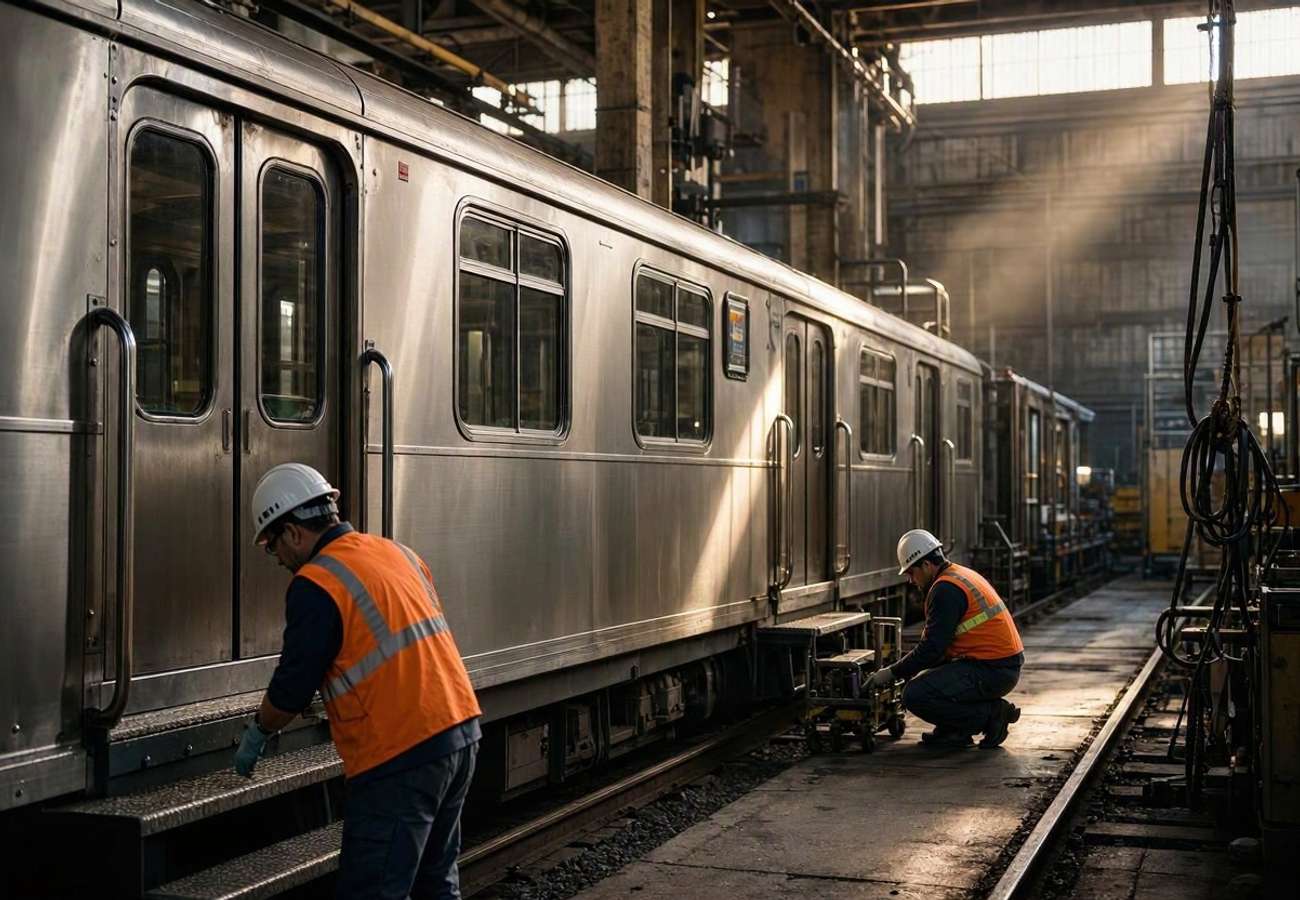
Image generated by AI
Commuters relying on the New York City subway and commuter rail systems may soon see the pace of fleet modernization slow as federal trade policies clash with local infrastructure goals. Passengers who have been anticipating the rollout of quieter, more reliable new carriages are now caught in a fiscal tug-of-war between Albany and Washington D.C.
The $1 Billion Tariff Threat to New York Transit
Governor Kathy Hochul has issued a formal warning that current federal tariff structures could inflate the cost of the Metropolitan Transportation Authority’s (MTA) rolling stock procurement by approximately $1 billion. This financial pressure hits at a critical juncture as the MTA executes its 2025–29 capital plan, which has already earmarked $23 billion for the acquisition of thousands of new buses, subway cars, and commuter rail vehicles.
The core of the issue lies in the globalized nature of transit manufacturing. While the MTA prioritizes vehicles assembled within the United States, many specialized components—for which no domestic alternative exists—must be imported. When federal tariffs are applied to these essential parts, the final price of the vehicle rises, effectively eroding the purchasing power of the MTA's multi-billion dollar investment.
Procurement Impact and Component Sourcing
The R211 subway cars serve as a primary case study for this disruption. These vehicles, utilized on the Staten Island Railway and various lettered subway lines, are assembled in Yonkers, New York, and Nebraska. Despite a high domestic content rate—with over 75% of components manufactured in the U.S.—the remaining 25% of imported specialized parts are subject to tariffs that can significantly drive up the unit cost per car.
Because the MTA operates under a rigid capital investment framework, any increase in the cost per vehicle directly reduces the total number of units the agency can afford.
Opportunity Cost of Tariff-Driven Price Hikes
To illustrate the severity of a $1 billion cost increase, the Governor’s office has detailed exactly what that capital could have otherwise purchased for the New York metropolitan region.
| Potential Lost Assets | Estimated Quantity Lost per $1bn Increase |
|---|---|
| Subway Cars | 250+ Vehicles |
| Buses | Nearly 1,000 Vehicles |
| LIRR M9-A Rail Cars | Approximately 150 Vehicles |
| Metro-North Coaches | Majority of planned fleet |
Your Rights and the Impact on the Commuter
While tariffs are a macro-economic policy issue, the "passenger right" in this scenario is the right to safe, reliable, and modern transit. When procurement is delayed or reduced, the result is often the extended life of aging equipment, leading to higher breakdown rates and reduced service frequency.
For those concerned with the legal and regulatory oversight of transit funding and passenger protections in the U.S., the U.S. Department of Transportation (DOT) provides guidelines on infrastructure funding and consumer protections. Additionally, passengers can track the progress of regional transit projects through official MTA status updates.
Strategic Response and Federal Appeals
Governor Hochul has escalated the matter to the federal level, writing to US Trade Representative Jamieson Greer and US Commerce Secretary Howard Lutnick. The state is demanding specific exemptions for transit rolling stock and their associated specialized components. The administration argues that applying tariffs to these items is counterproductive, as it increases the cost of public infrastructure projects even when the final assembly is predominantly American.
Beyond the MTA, the state has already implemented some relief measures, such as a $30 million tariff relief program in the FY2027 budget for agricultural producers, though this is separate from the transit request.
FAQ: MTA Tariff Impact 2026
Will my subway fare increase because of these tariffs? While the $1 billion figure refers to capital expenditure (buying trains) rather than operating costs (running trains), significant budget shortfalls in capital plans can sometimes lead to operational adjustments or future fare hikes to cover funding gaps.
Are the new trains being cancelled? No. The MTA has not formally cancelled any purchases. However, the Governor has warned that if exemptions are not granted, the agency may have to adjust the quantity of vehicles purchased or alter procurement schedules.
Why can't the MTA just buy 100% American parts? According to MTA analysis, certain specialized components currently have no domestic manufacturing alternative, making imports a necessity for the technical specifications of the R211 and other new models.
Who is responsible for these tariffs? The tariffs are implemented at the federal level by the U.S. government. The MTA and the State of New York are currently seeking exemptions from the federal administration to mitigate the costs.
The battle over the New York skyline is now moving to the rails, where the cost of a bolt or a circuit board could determine the future of the city's commute.
Related Travel Guides
Disclaimer
This article is for informational and educational purposes only. It does not constitute legal, financial, or professional advice. While we strive to provide accurate and up-to-date information, travel policies, regulations, and conditions change rapidly. Always verify information with official sources before making travel decisions. Nomad Lawyer makes no representations about the accuracy, reliability, completeness, or suitability of the information provided. Readers should consult qualified professionals for advice specific to their circumstances. The views expressed in this article are those of the author and do not necessarily reflect the views of Nomad Lawyer.
Kunal K Choudhary
Co-Founder & Contributor
A passionate traveller and tech enthusiast. Kunal contributes to the vision and growth of Nomad Lawyer, bringing fresh perspectives and driving the community forward.
Learn more about our team →