
Albuquerque and New Mexico Face Severe Flood Threats: Travel Rights and Disruption Guide 2026
Travelers in Albuquerque, Santa Fe, and Texas face massive disruptions as a triple-threat weather system triggers flash flood warnings and flight delays across the US Southwest.

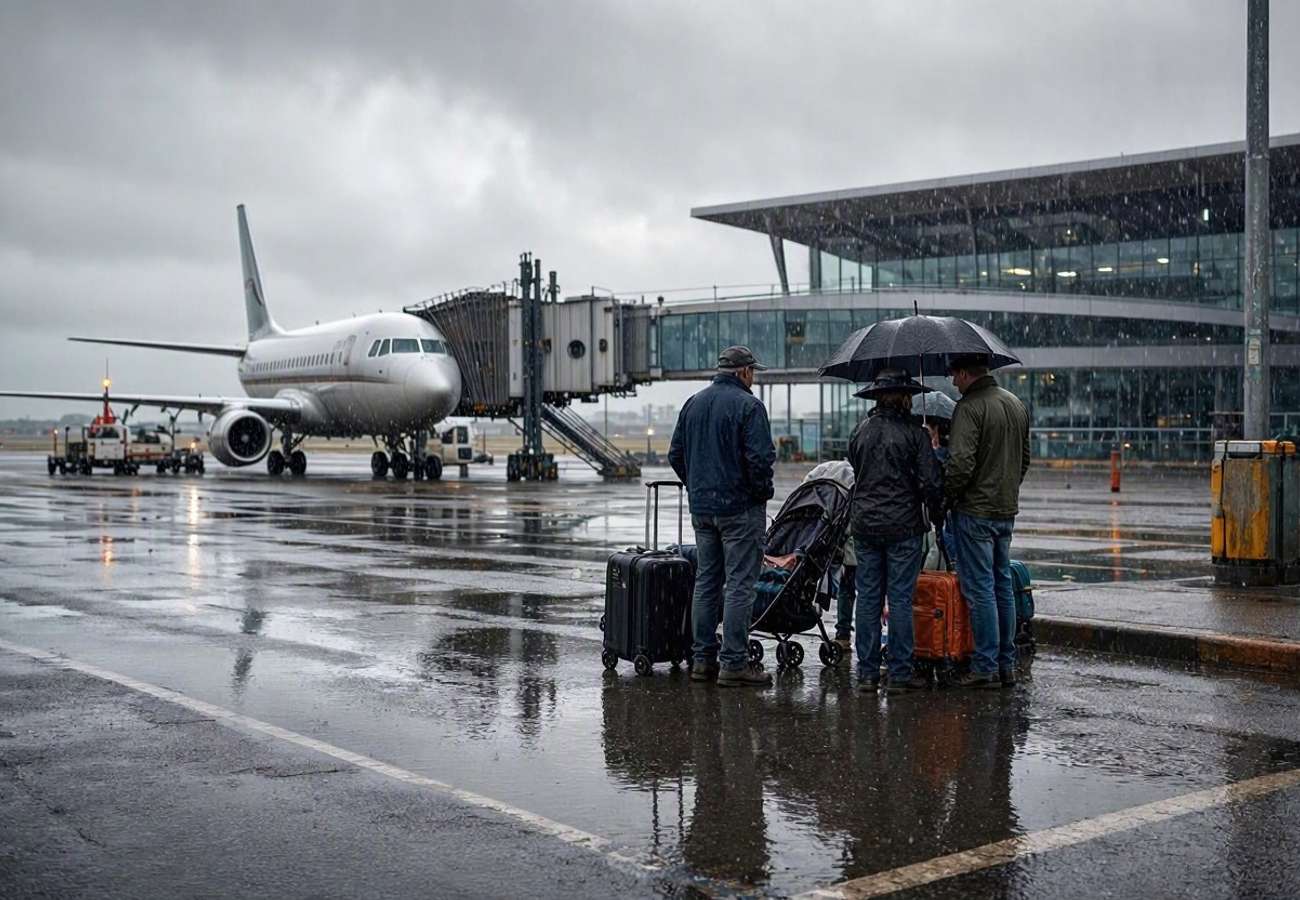
Image generated by AI
A traveler landing in Albuquerque International Sunport this morning found themselves stranded as torrential rains turned airport access roads into rivers, leaving hundreds of passengers trapped between cancelled flights and impassable highways. This is the current reality across the American Southwest, where a rare atmospheric convergence is triggering what meteorologists describe as tsunami-like flood threats.
The Triple-Threat Weather Event: Timeline and Facts
As of September 30, 2026, a complex meteorological collision is unfolding across the central and southern United States. This is not a single storm system, but a "triple threat" consisting of three distinct atmospheric drivers:
- Residual Moisture from Hurricane Odalys: Moisture from the eastern Pacific has surged northward into the Southwest.
- Energy from Hurricane Polo: After weakening while crossing northern Mexico, Polo has contributed significant atmospheric moisture to the region.
- The Western Trough: A dip in the jet stream is moving eastward from the western US, acting as a catalyst to lock these moisture systems in place.
The result is a high-risk environment for flash flooding. AccuWeather has warned that rainfall rates could hit 2–3 inches per hour. In a paradoxical twist, regions already suffering from extreme drought are more vulnerable; hardened, compacted soil cannot absorb water, leading to immediate and dangerous surface runoff.
High-Risk Zones and Predicted Impact
The primary danger zone currently spans from New Mexico through eastern Texas and into the southern Plains. Meteorologists suggest that some areas of New Mexico are facing their most severe flash-flood risk in over five years.
Projected Rainfall and Weather Hazards
| Region | Expected Rainfall | Peak Intensity | Additional Hazards |
|---|---|---|---|
| New Mexico (Albuquerque/Santa Fe) | 4–8 inches (Local peaks higher) | 2–3 inches/hour | Extreme flash flooding |
| Eastern Texas & Southern Plains | 4–8 inches | High | Severe thunderstorms |
| SW Texas to Northern Kansas | Variable | High | 50–60 mph wind gusts |
| Local Hotspots (Max) | Up to 18 inches | Extreme | Total infrastructure failure |
For those monitoring their journey, FlightRadar24 provides real-time data on ground stops and diversions affecting the Southwest.
Your Rights as a Passenger
When weather causes travel chaos in the US, the legal framework differs significantly from the EU's EU261. In the United States, "Acts of God" (including severe weather) generally exempt airlines from paying cash compensation for delays or cancellations. However, you still have fundamental rights regarding your money and care.
US DOT Refund Rules
Under US Department of Transportation (DOT) regulations, if an airline cancels your flight—regardless of the reason (including weather)—you are entitled to a full refund of the unused portion of your ticket if you choose not to travel on the alternative flight offered. The airline cannot force you to accept a travel voucher.
Duty of Care and Accommodations
Unlike UK or EU law, US carriers are not legally mandated to provide hotel vouchers or meal coupons for weather-related delays. However, many airlines will provide these as a gesture of goodwill. Check your credit card's travel insurance policy; many "premium" cards cover hotel and meal expenses when a trip is interrupted by severe weather.
Ground Transportation and Safety
If you are stranded at an airport or hotel, avoid renting vehicles to traverse flooded routes. In New Mexico and Texas, "turn around, don't drown" is the legal and safety standard. Entering a flooded roadway can lead to vehicle loss and potential liability issues with insurance providers if negligence is proven.
Rebooking Strategy and Alternatives
If your route through Albuquerque (ABQ), Santa Fe, or Texas is blocked, do not wait in long airport lines. Use these strategies to get moving:
- The Digital Pivot: Use the airline's mobile app to rebook before speaking to an agent. If the app fails, call the airline's international help desk (e.g., the Canadian or UK number) via VoIP; they often have shorter wait times than US-based lines.
- Alternative Hubs: If ABQ is paralyzed, look for flights into Phoenix (PHX) or Dallas/Fort Worth (DFW) and arrange ground transport once the weather clears.
- Carrier Swaps: If your primary carrier is grounded, check for availability on competitors serving the same city pair. While the original airline isn't required to pay for a ticket on another carrier during weather events, it is often faster to buy a new ticket and claim it through travel insurance later.
- Flight Status Monitoring: Always verify your gate and timing via the British Airways flight status page or your specific carrier's portal to avoid unnecessary trips to the terminal.
FAQ: US Southwest Flooding 2026
Am I entitled to cash compensation for my cancelled flight? No. In the US, weather is considered an "extraordinary circumstance." You won't get a payout like you would under EU261, but you are entitled to a full refund if you choose not to fly.
Can the airline force me to take a travel voucher? No. According to US DOT rules, if the airline cancels your flight, you have the right to a refund to your original form of payment, regardless of whether the ticket was "non-refundable."
What should I do if I'm stranded without a hotel? Check your travel insurance or credit card benefits first. If those are unavailable, ask the airline for a "distressed passenger rate" at local hotels, though they are not legally required to provide this for weather.
Is it safe to drive through shallow water to reach my destination? Absolutely not. Rapid runoff in New Mexico and Texas can wash away roadbeds. Even 6 inches of moving water can knock an adult off their feet, and 12 inches can sweep away most cars.
Stay alert, prioritize safety over schedules, and document every delay for insurance purposes.
Related Travel Guides
Disclaimer
This article is for informational and educational purposes only. It does not constitute legal, financial, or professional advice. While we strive to provide accurate and up-to-date information, travel policies, regulations, and conditions change rapidly. Always verify information with official sources before making travel decisions. Nomad Lawyer makes no representations about the accuracy, reliability, completeness, or suitability of the information provided. Readers should consult qualified professionals for advice specific to their circumstances. The views expressed in this article are those of the author and do not necessarily reflect the views of Nomad Lawyer.
Naina Thakur
Contributor & Travel Specialist
Travel enthusiast and legal writer covering visa regulations, responsible tourism, and cultural journeys across global destinations.
Learn more about our team →