Avianca Launches Direct Cartagena to Buenos Aires Flights to Boost 2026 South American Tourism

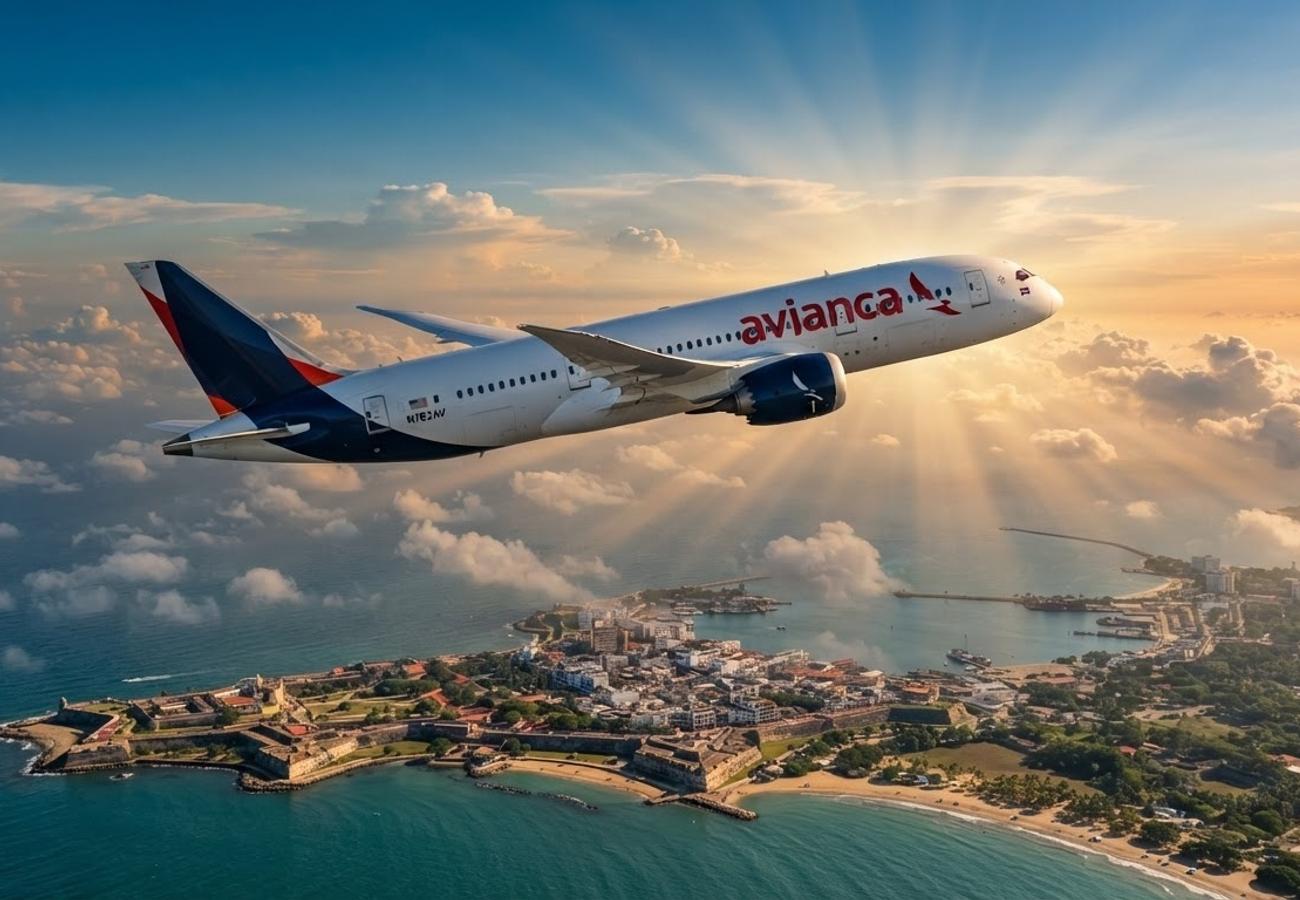
Image generated by AI
Avianca is set to launch nonstop service between Cartagena de Indias and Buenos Aires in late 2026, bypassing traditional hubs to link the Caribbean coast directly with Argentina's capital.
The move marks a strategic shift toward leisure-driven, point-to-point connectivity in South America. By eliminating the need for layovers in Bogotá, Lima, or São Paulo, the route will slash travel times from over 10 hours to a window of five to six hours.
Route Logistics and Regulatory Approval
Argentina’s transport authorities have granted Avianca authorization to operate regular international services on the Cartagena–Buenos Aires corridor. The approved schedule allows for up to seven weekly frequencies between November 2026 and March 2027.
This service covers both passenger and cargo operations under standard third and fourth freedom traffic rights. While Avianca already maintains a strong presence in Argentina via Bogotá and Medellín, this new link—alongside a planned connection from Cali—targets high-spend leisure travelers rather than corporate hub traffic.
Cartagena’s Expanding Air Network
The addition of Buenos Aires coincides with a period of unprecedented growth for Rafael Núñez International Airport. Current data through June 2026 indicates a "historic" phase of connectivity for the city.
Current Network Status (as of June 2026):
- Direct Destinations: 21
- Partner Airlines: 16+
- Weekly Flight Volume: Approximately 547
- Upcoming 2026/2027 Additions: Houston, Washington, and Buenos Aires
The airport currently hosts a diversified mix of full-service and low-cost carriers, including LATAM, Copa, Spirit, JetBlue, and Wingo.
Market Data: The Driver of Expansion
The route is supported by record-breaking tourism figures across both nations. Our analysis of the available data shows a sustained upward trajectory in migratory movements and passenger volumes.
Colombia Tourism & Aviation Statistics:
- Non-resident visitors (Jan–Sept 2025): 4.8 million
- Regular flight passenger traffic (First 8 months 2025): 37 million
- International service volume: 16 million+
- Total 2025 migratory movements: 21.7 million (a 6% increase over 2024)
- Air transport share of migration: 94%
- Total 2025 passenger handling: 57.5 million
Market trends indicate that Argentina was one of the fastest-growing air transport markets in Latin America throughout 2025, characterized by a sharp recovery in outbound tourism and a surge in domestic passenger numbers.
Connectivity Impact and Travel Logistics
| Feature | Previous Route (Via Hubs) | New Direct Route |
|---|---|---|
| Typical Layovers | Bogotá, Lima, or São Paulo | None |
| Total Travel Time | 10 to 12+ hours | 5 to 6 hours |
| Primary Focus | Hub-and-Spoke / Business | Point-to-Point / Leisure |
| Seasonality | Year-round | Peak Southern Summer (Nov-Mar) |
Why This Matters: Industry Analysis
From a logistical perspective, this route is more than just a new flight; it is a rebalancing of South American aviation. For years, the region has relied on "hub-and-spoke" models where almost all traffic filtered through a few massive airports.
By linking Cartagena directly to Buenos Aires, Avianca is betting on the "multi-destination" traveler. For an international tourist from North America or Europe, this removes a significant friction point. Instead of backtracking to a hub, they can move linearly from the Argentine pampas or Patagonia to the Caribbean coast.
For the local economy in Cartagena, this captures a higher-spending demographic. Argentine travelers seeking warm-weather escapes during the austral summer now have a direct pipeline to the UNESCO-listed old town and coastal resorts, likely increasing the average length of stay and per-visitor expenditure.
Forward Outlook
Expect a surge in "combined circuit" travel packages. We anticipate that tour operators will begin bundling Buenos Aires city breaks with Cartagena beach stays as a single itinerary.
Furthermore, the success of this route will likely pressure other regional carriers to bypass hubs in favor of secondary-city pairings. If the November 2026 to March 2027 seasonal window shows high load factors, this service will likely transition from a seasonal offering to a year-round operation.
A significant win for regional mobility and the Caribbean tourism economy.
Related Travel Guides
This article is for informational purposes. Flight routes, passenger regulations, visa rules, and transit advisories are subject to change by airlines and aviation authorities. Readers are advised to verify schedules and travel documentation with relevant carriers and border agencies before departure.
Related Stories

Bolivia Emerges as Top Corporate Incentive Destination for High-Impact Executive Retreats in 2026

Sicily, Tuscany and Piedmont: Italy's Luxury Vineyard Escapes Attract US Travelers in 2026