
Netherlands Issues Urgent Travel Advisories for Poland and Romania Security Risks in 2026
The Netherlands government has updated travel advisories for Poland and Romania, highlighting border security risks near Ukraine and urban safety concerns for international tourists.

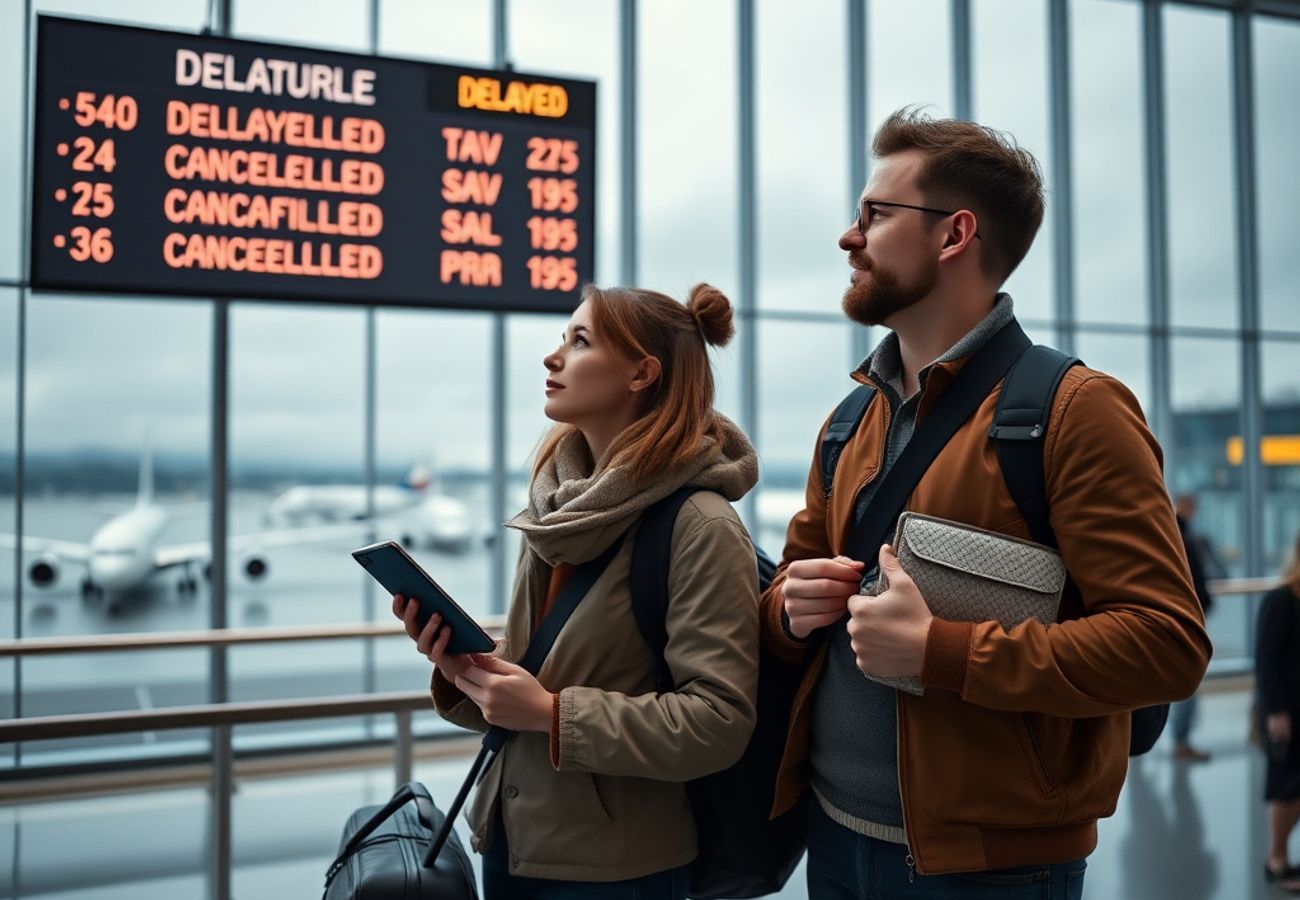
Image generated by AI
International travelers face updated security protocols and regional warnings as the Netherlands government issues urgent travel advisories for Poland and Romania.
Regional Security Analysis and Border Risks
The Netherlands government has implemented a revised travel advisory system using a color-coded risk framework to guide visitors to Central and Eastern Europe. While the majority of these regions remain open for tourism, specific zones now carry heightened warnings due to geopolitical instability and urban crime patterns.
Our analysis of the current guidance indicates a strategic shift toward "awareness-based travel," where the objective is not to restrict movement but to ensure visitors are equipped with real-time safety data.
Romania: Border Zone Alerts
Romania maintains a "Green" status for the majority of its territory, including major hubs such as Bucharest, Brașov, Sibiu, Cluj-Napoca, and the Transylvania region. However, a "Yellow" advisory is now in effect for the eastern border regions.
- High-Risk Zone: The region stretching from the city of Galați toward the Black Sea.
- Primary Threat: Proximity to the Ukraine conflict. There is a documented risk of drone debris or other kinetic objects falling into Romanian territory.
- Emergency Protocols: Travelers in these zones may receive direct mobile emergency alerts from Romanian authorities.
Poland: Urban and Nightlife Safety
Poland remains under a "Green" travel advisory, indicating that travel is possible throughout the country. Despite this, the Netherlands has issued specific warnings regarding personal security in major cities including Warsaw, Kraków, Gdańsk, Wrocław, and Zakopane.
- Nightlife Risks: Authorities warn against accepting drinks from strangers in bars and clubs, citing the use of substances to render victims vulnerable.
- Financial Fraud: Reports indicate a rise in "payment scams" at entertainment venues where travelers are coerced into expensive payments or find unauthorized large charges on bank cards.
- Crowd Safety: High vigilance is recommended at railway stations, public transport hubs, and open-air markets to prevent pickpocketing.
Passenger Rights & Advisory
For the affected passenger, these advisories change the landscape of travel insurance and liability. Our analysis of current aviation and travel policies suggests the following actionable steps:
1. Insurance Validation Standard travel insurance policies often contain "War and Terrorism" exclusions. If you are traveling to the "Yellow" zones in Romania (Galați to the Black Sea), verify if your policy covers "civil unrest" or "acts of war." If the Netherlands government upgrades a region to "Orange" or "Red," many insurers will void coverage for that specific area.
2. Documentation and Compliance Ensure all identification documents are digitized and stored in a secure cloud environment. In border regions, Romanian authorities may conduct increased identity checks; failure to produce valid passports can lead to significant transit delays.
3. Financial Protection To mitigate the risks highlighted in the Polish advisory, passengers should:
- Use contactless payment methods or digital wallets (Apple Pay/Google Pay) to avoid handing over physical cards in nightlife districts.
- Set strict daily spending limits on credit cards via banking apps before entering high-risk entertainment zones.
4. Right to Rebooking Under general EU consumer protection frameworks, if a government advisory officially prohibits travel to a destination, passengers may be entitled to a full refund or rebooking. However, since these current advisories are "Yellow" (cautionary) and not "Red" (prohibitive), airlines are generally not obligated to provide free rebooking. Passengers are advised to purchase "Cancel for Any Reason" (CFAR) insurance for maximum flexibility.
Industry Analyst View
The current trend of targeted advisories reflects a broader European shift toward "Micro-Zoning" risks. Rather than labeling an entire country as unsafe, governments are now isolating specific corridors—such as the Romanian-Ukrainian border—to protect the broader tourism economy.
This approach prevents the total collapse of tourism in emerging markets like Romania and Poland while fulfilling the state's duty of care to its citizens. The inclusion of Italy in general safety discussions further underscores that European hubs are prioritizing "Traveler Protection" as a core component of their 2026 tourism strategies.
Stay vigilant and verify local alerts before crossing border regions.
Related Travel Guides
Disclaimer
This article is for informational and educational purposes only. It does not constitute legal, financial, or professional advice. While we strive to provide accurate and up-to-date information, travel policies, regulations, and conditions change rapidly. Always verify information with official sources before making travel decisions. Nomad Lawyer makes no representations about the accuracy, reliability, completeness, or suitability of the information provided. Readers should consult qualified professionals for advice specific to their circumstances. The views expressed in this article are those of the author and do not necessarily reflect the views of Nomad Lawyer.
Raushan Kumar
Founder & Lead Developer
Full-stack developer with 11+ years of experience and a passionate traveller. Raushan built Nomad Lawyer from the ground up with a vision to create the best travel and law experience on the web.
Learn more about our team →