
Netherlands Reveals Charming Hanseatic Cities Offering Authentic Dutch Heritage Journeys
Netherlands Reveals Charming Hanseatic Cities Offering Authentic Dutch Heritage Journeys

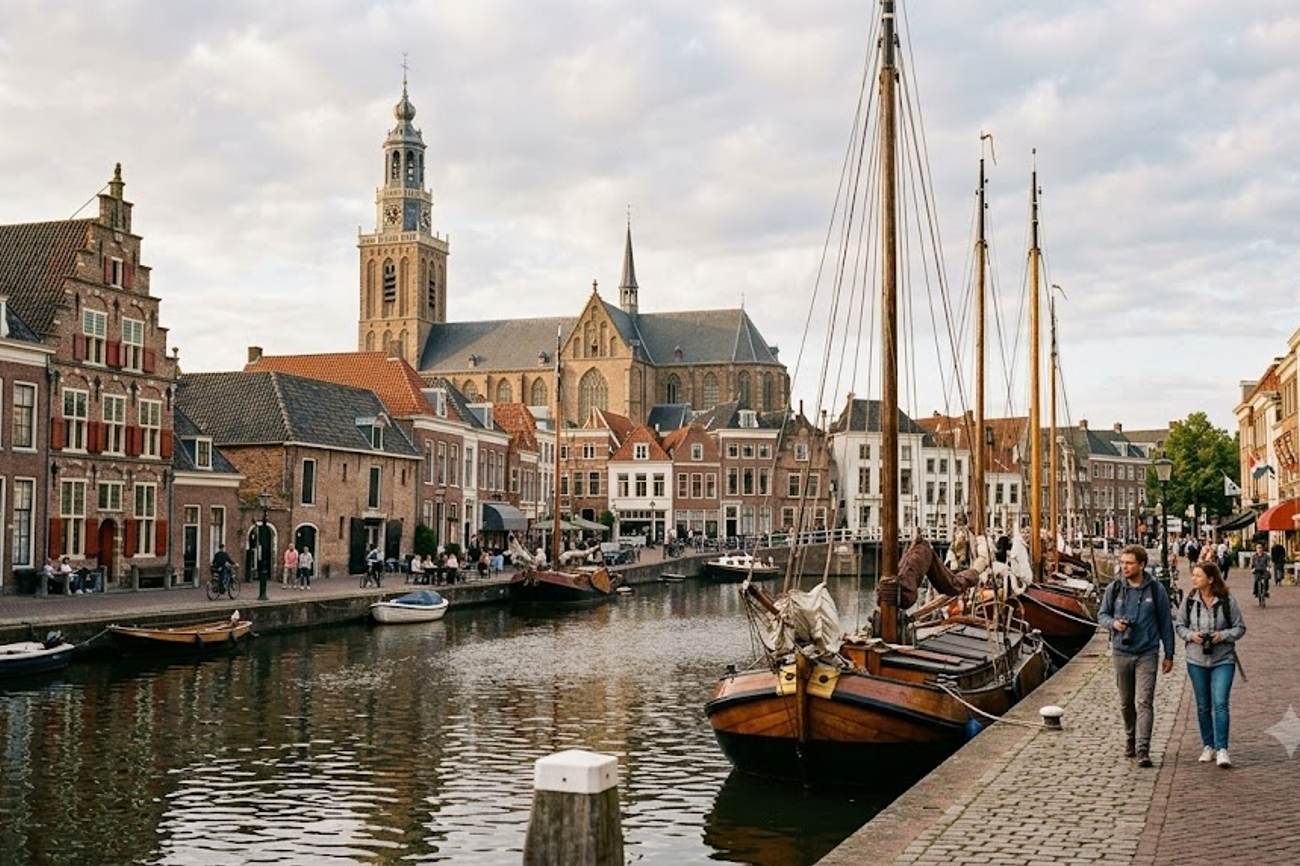
Image generated by AI
Looking to escape the congestion of Amsterdam and explore the medieval heart of the Netherlands? If you are planning a route through the historic Hanseatic Cities, you need a specific logistics strategy to navigate the IJssel River and Lake Veluwe regions efficiently.
The Hanseatic Regional Transit Shift
The Netherlands is currently pivoting its tourism infrastructure to redirect travelers away from the saturated Randstad area and toward nine historic Hanseatic cities. These destinations—Deventer, Kampen, Zwolle, Hasselt, Hattem, Elburg, Harderwijk, Zutphen, and Doesburg—form a network of former trading hubs that are now being integrated into a cohesive "slow tourism" circuit.
For the modern traveler, this means a shift from high-density urban transit to a multimodal approach combining the national rail network with regional cycling arteries. The objective is to move visitors through these riverside hubs at a slower pace, focusing on the architectural heritage of the medieval era and the maritime history of the IJssel River. Because these cities are smaller and more compact than the capital, the logistics of "last-mile" transport change significantly; you will rely less on ride-sharing apps and more on integrated bike-and-rail systems.
Route and Schedule Details
While these cities operate as a network, they are served by different tiers of transport. The primary hubs (Zwolle, Deventer) act as the gateways, while the smaller towns (Hasselt, Doesburg) require regional connections.
| Route | Primary Transport | Frequency | Key Aircraft/Train Type | Duration (Approx.) | Status |
|---|---|---|---|---|---|
| Amsterdam $\rightarrow$ Zwolle | NS Rail | High | Intercity | 1h 15m | Active |
| Amsterdam $\rightarrow$ Deventer | NS Rail | High | Intercity | 1h 25m | Active |
| Zwolle $\rightarrow$ Kampen | Regional Bus/Bike | Regular | GVB/Regional | 20m | Active |
| Deventer $\rightarrow$ Zutphen | NS Rail | Regular | Sprinter | 15m | Active |
| Zutphen $\rightarrow$ Doesburg | Regional Bus | Scheduled | Regional | 30m | Active |
| Harderwijk $\rightarrow$ Elburg | Local Bus/Bike | Low | Regional | 15m | Active |
Traveler Logistics Guide
Navigating the Hanseatic circuit requires a different mindset than a standard city break. To optimize your transit, follow these professional logistics steps:
1. Rail Gateway Strategy Do not attempt to drive between every small town. The most efficient method is to use NS (Nederlandse Spoorwegen) to reach the primary hubs of Zwolle or Deventer. From these anchors, you can utilize the "Sprinter" trains for short hops to Zutphen or use regional bus lines for the smaller villages like Hasselt and Hattem.
2. The Bike-and-Rail Integration The Netherlands is world-renowned for its cycling infrastructure, and the Hanseatic region is no exception. The most effective way to connect the riverside cities is by renting a bicycle at the train station.
- Pro Tip: Use the OV-chipkaart or the "OVpay" system (contactless debit/credit) to seamlessly transition between trains and buses without buying individual paper tickets.
- Route Planning: Map your paths along the IJssel River. These routes are specifically designed for slow travel and connect the historic centers of Deventer and Zutphen through scenic countryside.
3. Baggage Management Since the Hanseatic experience emphasizes walking and cycling through compact medieval centers, hauling large suitcases is a logistical nightmare.
- Strategy: Use the luggage lockers available at the larger NS stations in Zwolle and Deventer.
- Transfer: If you are doing a multi-city tour, consider using a luggage transfer service or staying in "hub" hotels in the larger cities and taking day trips to the smaller towns like Elburg or Harderwijk.
4. Digital Check-in and Navigation For regional buses and local transport in the Veluwe area, rely on the 9292 app. It is the gold standard for Dutch transit, integrating all rail, bus, and tram schedules in real-time. Ensure your digital payments are enabled for contactless transit to avoid queuing at ticket machines in smaller towns.
5. Customs and Entry As these cities are within the Schengen Area, there are no internal customs checks. However, if you are arriving from outside the EU, your primary entry point will likely be Schiphol Airport. From there, the direct rail link to Zwolle is your fastest entry point into the Hanseatic network.
Regional Connectivity Impact
The promotion of these nine cities fundamentally changes the travel map of the Netherlands. By distributing tourist flow toward the IJssel River and Lake Veluwe, the Dutch government is reducing the pressure on Amsterdam's infrastructure while revitalizing regional economies.
For the traveler, this creates a "hub-and-spoke" connectivity model. Instead of a linear path from one major city to another, you now have the option to base yourself in a central location—like Zwolle—and radiate outward to smaller destinations. This reduces the need for frequent hotel check-ins and allows for a more immersive experience of the regional differences in architecture and local cuisine.
The integration of these cities into a unified destination concept means that signage and tourism information are becoming more standardized across the region. Whether you are in the maritime-focused Kampen or the creative spaces of Zwolle, the transition between these towns is designed to be frictionless, favoring sustainable transport over private vehicle use.
FAQ: Hanseatic Transit 2024
Do I need a transit visa for these cities? No. The Hanseatic cities are located within the Netherlands. If you have a valid Schengen visa or are from a visa-exempt country, you can move freely between all nine cities without additional permits.
How long should I allocate for a multi-city Hanseatic tour? For a comprehensive experience covering the primary hubs (Zwolle, Deventer, Kampen) and a few smaller towns, allow 5 to 7 days. This allows for the "slow travel" pace and time for cycling between riverside locations.
Can I check my bags through from the airport to these cities? Standard airline baggage does not transfer to regional rail. You must collect your bags at Schiphol and take them via train to your destination. Use station lockers for short-term storage during day trips.
Is the region accessible for those without a car? Yes. The combination of NS Rail and regional bus networks makes the entire Hanseatic circuit accessible. In fact, cycling and rail are the preferred methods of transport due to the compact nature of the medieval city centers.
Stop chasing the crowds in Amsterdam and start timing your journey to the rhythm of the IJssel River.
Tags: IJssel-River-Transit, NS-Rail-Netherlands, Hanseatic-City-Route, Zwolle-Deventer-Logistics, Dutch-Slow-Tourism-2024
Related Travel Guides
- Why Costa Rica Is Targeting French Travellers: Inside the ICT’s 2026 Paris Tourism Push
- Spain Follows Germany And Other European Hotspots As Autumn 2026 Emerges As A Powerful Tourism Season Driven By Harvest And Culinary Adventures
- China Follows Canada And More Powerful Places In Expanding Mexico Tourism As Digital Campaigns And Smart Strategies Target New Tourists
Disclaimer
This article is for informational and educational purposes only. It does not constitute legal, financial, or professional advice. While we strive to provide accurate and up-to-date information, travel policies, regulations, and conditions change rapidly. Always verify information with official sources before making travel decisions. Nomad Lawyer makes no representations about the accuracy, reliability, completeness, or suitability of the information provided. Readers should consult qualified professionals for advice specific to their circumstances. The views expressed in this article are those of the author and do not necessarily reflect the views of Nomad Lawyer.
Naina Thakur
Contributor & Travel Specialist
Travel enthusiast and legal writer covering visa regulations, responsible tourism, and cultural journeys across global destinations.
Learn more about our team →