
Nepal Narayanghat-Muglin Highway Landslide Traps Tourists & Disrupts Travel: New Travel Alert
A dry landslide has blocked Nepal's Narayanghat-Muglin Highway, severing key road connections between Kathmandu, Pokhara, and Chitwan, disrupting tourist transfers and freight.

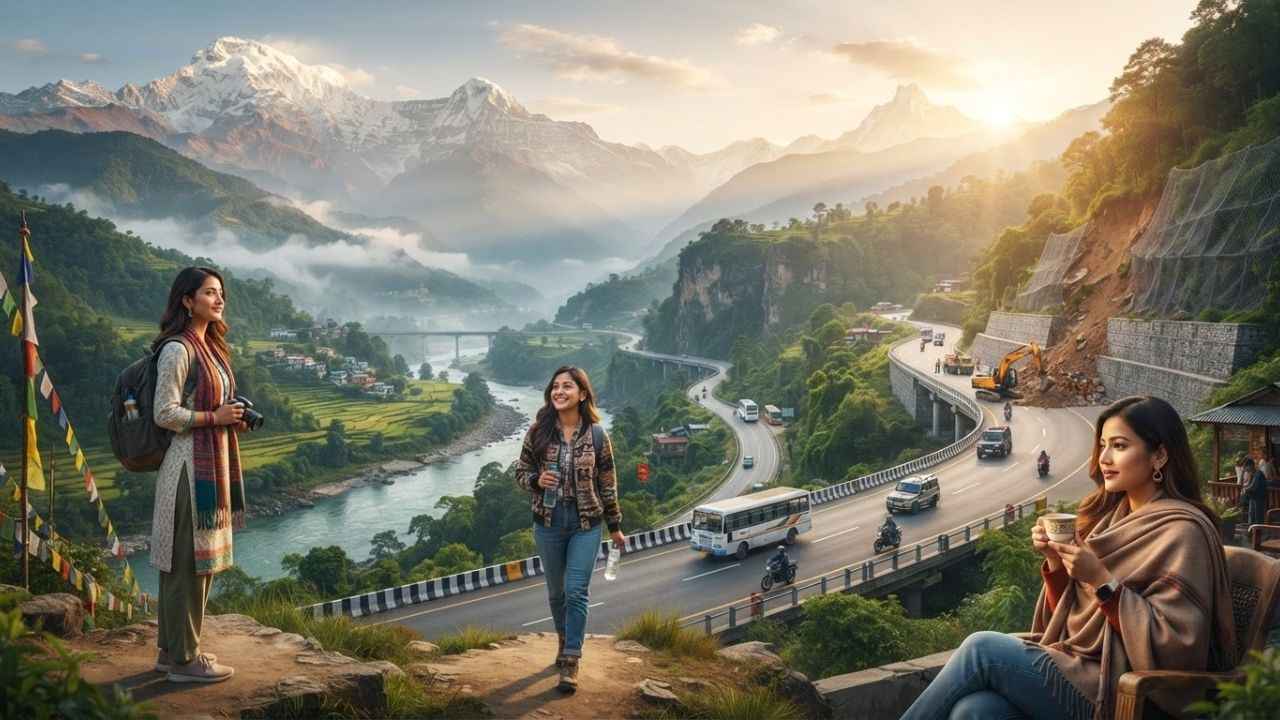
Image generated by AI
Nepal Issues Travel Warning as Narayanghat-Muglin Highway Landslide Traps Tourists and Cuts Off Kathmandu-Pokhara Corridor: New Travel Alert
Published on July 29, 2026
A major transportation crisis has struck central Nepal after a massive dry landslide blocked the strategic Narayanghat-Muglin Highway, severing the primary ground transit corridor connecting the capital city of Kathmandu with popular tourist destinations including Pokhara and Chitwan National Park. According to updates from Nepal’s Department of Roads, the sudden rockfall occurred along a steep, geologically unstable mountain stretch, trapping international tourists, long-haul buses, and freight vehicles. The incident highlights the vulnerability of Nepal’s Himalayan road infrastructure and has prompted emergency authorities to urge travelers to confirm real-time road conditions, build multi-hour buffers into overland travel plans, or switch to domestic air routes.
📌 Quick Summary: Key Facts for Travelers
- Strategic Highway Blocked: A dry landslide has halted traffic along the vital Narayanghat-Muglin Highway, cutting off Kathmandu from western Nepal.
- Key Tourism Destinations Affected: Overland travel between Kathmandu, Pokhara (trekking hub), and Chitwan National Park (safari zone) is severely disrupted.
- Department of Roads Intervention: Nepal’s Department of Roads has deployed emergency heavy machinery for clearance and slope stabilization operations.
- Year-Round Landslide Risk: The blockage was caused by a dry landslide rather than monsoon rain, demonstrating ongoing geological instability in the Himalayas.
- Traveler Advice: Visitors are urged to consider domestic flights between Kathmandu and Pokhara or Bharatpur and allow generous itinerary buffers for international flights.
Context: Nepal’s Lifeline Highway at the Core of Mountain Tourism
The Narayanghat-Muglin Highway serves as Nepal's most critical transport artery, carrying millions of passengers, international tourists, and freight operators annually. As the primary link connecting Kathmandu with the southern plains and western regions, the corridor is vital for overland travel to Pokhara’s Annapurna trekking region and Chitwan's wildlife reserves.
However, the highway cuts through steep, highly weathered Himalayan hills where geological instability poses a constant hazard. While landslide warnings typically peak during the summer monsoon season, the recent dry landslide underscores that slope failures can occur year-round due to rock fracturing, thermal expansion, and changing climate patterns. With Nepal expanding its tourism economy, highway reliability has become a top priority for national infrastructure managers.
Event Details: Landslide Disruption on the Narayanghat-Muglin Corridor
The Department of Roads under Nepal's Ministry of Physical Infrastructure and Transport has provided details on the highway blockage and emergency response efforts:
1. Location and Infrastructure Impact
The landslide occurred along a narrow, cliff-side section of the Narayanghat-Muglin road, where boulder falls and soil slips completely blocked both lanes of traffic. Vehicles heading toward Kathmandu, Pokhara, and southern border towns faced long queues extending several kilometers back from the slide site.
2. Department of Roads Emergency Actions
The Department of Roads has mobilized heavy excavation equipment and clearing crews to remove rock debris and stabilize the overhanging slope. Authorities have designated the highway as a high-priority national transit zone, enforcing slope-monitoring protocols, drainage clearing, and engineering upgrades to restore safe two-way traffic flow as quickly as possible.
3. Impact on Multi-Destination Tourist Circuit
Most international tourists visiting Nepal follow a classic overland circuit: arriving at Tribhuvan International Airport in Kathmandu, traveling by road to Chitwan National Park for jungle safaris, and continuing onward to Pokhara for Himalayan trekking. The highway closure creates severe delays for tour buses, private vehicles, and trekking agencies, threatening tight holiday schedules.
Nepal Mountain Transport Hazard & Logistics Matrix
The table below outlines the operational challenges and travel alternatives during Narayanghat-Muglin Highway disruptions:
| Travel Route / Sector | Disruption Impact | Logistics Risk for Travelers | Recommended Alternative / Mitigation |
|---|---|---|---|
| Kathmandu ↔ Pokhara (Road) | Complete travel stoppage during landslips | Missed flight connections; prolonged roadside waiting | Book domestic flight (KTM ↔ PKR; 25-minute flight time) |
| Kathmandu ↔ Chitwan / Bharatpur | Heavy vehicle delays on Narayanghat stretch | Interrupted safari bookings & hotel check-ins | Take domestic flight to Bharatpur Airport (BTP) |
| Inter-City Tourist Buses | Stranded in remote mountain corridors | Limited food, water, and restroom facilities in queues | Carry emergency supplies & water in daypack |
| Trekking & Adventure Tours | Delayed starts for Annapurna & Langtang treks | Forfeited permits or shortened trekking days | Add 24-to-48-hour buffer days in Kathmandu post-trek |
| Emergency Response Operations | High rockfall hazard during slope clearing | Secondary rockfalls endangering passing vehicles | Obey police control checkpoints; avoid night driving |
Risk and Impact Analysis: Climate Vulnerability and Road Infrastructure
The highway blockage highlights several operational risks facing travelers in Nepal's mountain regions:
- Lack of Alternative Highway Redundancy: Nepal’s mountainous terrain limits alternative paved routes. When the Narayanghat-Muglin Highway closes, detours via secondary rural roads are significantly longer, narrower, and prone to severe congestion.
- Vulnerability to Dry Landslides: Unlike rain-triggered mudslides, dry landslides occur unexpectedly when unstable rock faces fracture. This unpredictability creates sudden risks for vehicles traveling underneath exposed cliffs.
- Risks for International Flight Connections: Travelers returning to Kathmandu by road for homeward international flights risk missing departures if trapped behind highway blockages.
- Impact on Local Communities and Tourism Supply Chains: Prolonged closures delay fresh food, fuel, and equipment deliveries to hotel and restaurant operators in Pokhara and Chitwan.
What Authorities and Engineers Are Saying
Nepal's Department of Roads and disaster management officials emphasize that long-term engineering upgrades are essential for mountain transport safety:
"The Narayanghat-Muglin corridor is a vital lifeline for Nepal's economy and tourism industry," stated a senior Department of Roads official. "Our engineering teams are focusing on slope stabilization, protective rockfall barriers, and improved drainage systems to build disaster-resilient infrastructure. While clearance operations are prioritized during landslides, we advise all travelers to stay updated on real-time road conditions before departing."
Local police authorities have established traffic control posts to prevent vehicles from entering hazardous landslide zones while clearing operations remain active.
Practical Traveler Advice Checklist for Nepal Trips
Travelers planning journeys between Kathmandu, Pokhara, and Chitwan should follow these practical safety steps:
- Opt for Domestic Air Travel: Consider booking domestic flights between Kathmandu (KTM), Pokhara (PKR), and Bharatpur (BTP) to bypass highway blockages entirely.
- Build Buffer Days into Itineraries: Schedule at least 24 to 48 hours in Kathmandu at the end of your trip to ensure road delays do not cause missed international flights.
- Verify Highway Status with Tour Operators: Check real-time road clearance updates with your local trekking agency, hotel, or driver before departing hotel bases.
- Carry Emergency Essentials: Pack bottled drinking water, non-perishable snacks, essential prescription medications, and a charged mobile power bank in your hand luggage when traveling overland.
- Avoid Overnight Mountain Highway Travel: Limit overland travel along mountain corridors to daylight hours when rockfall hazards are more easily spotted by drivers.
Broader Context: Climate Resilience and Himalayan Transport Infrastructure
The recurring disruptions on the Narayanghat-Muglin Highway reflect a broader environmental challenge facing Himalayan nations. Rising global temperatures, shifting monsoon patterns, and increased frequency of extreme weather events exacerbate slope instability across fragile mountain ecosystems.
For Nepal, building climate-resilient transport networks is directly tied to destination competitiveness. As international tourist arrivals grow, ensuring safe, predictable, and resilient ground transportation will be vital for supporting the country's long-term economic development.
Looking Ahead: Secondary Network Expansion and Engineering Investments
To reduce future highway crises, the Nepal government is advancing several long-term infrastructure initiatives:
- Advanced Slope Stabilization: Installing high-strength steel netting, bio-engineering vegetation, and concrete retaining walls along high-risk cliffs.
- Alternative Route Upgrades: Widening and paving secondary road corridors to provide reliable detours during primary highway closures.
- Rapid-Response Clearance Stations: Establishing dedicated heavy-machinery depots along the Narayanghat-Muglin Highway to accelerate landslide removal.
With continued engineering investments and proactive travel planning, Nepal aims to maintain safe, seamless connectivity for visitors exploring its iconic mountain landscapes.
Conclusion
The dry landslide along the Narayanghat-Muglin Highway highlights the ongoing challenges of maintaining ground transport across Nepal’s fragile Himalayan terrain. While emergency clearance crews work to restore traffic flow, travelers can protect their travel itineraries by utilizing domestic flights, maintaining flexible schedules, and observing official safety updates. Supported by proactive preparation, international visitors can safely explore Nepal’s world-famous mountain and wildlife destinations.
Frequently Asked Questions (FAQ)
What happened on the Narayanghat-Muglin Highway in Nepal?
A major dry landslide blocked both lanes of the Narayanghat-Muglin Highway, severing key ground transport links between Kathmandu, Pokhara, and Chitwan National Park.
How does the highway blockage impact travel to Pokhara and Chitwan?
The Narayanghat-Muglin Highway is the primary road connecting Kathmandu with Pokhara (the main trekking gateway) and Chitwan (the primary safari destination). Blockages cause severe delays for tourist buses, private transfers, and freight vehicles.
What is a dry landslide and why does it occur?
Unlike rain-induced mudslides, a dry landslide occurs without rainfall due to geological instability, rock fracturing, thermal expansion, or steep slope erosion in fragile mountain terrain.
How can travelers avoid highway delays between Kathmandu and Pokhara?
Travelers can take a 25-minute domestic flight between Kathmandu (KTM) and Pokhara (PKR) or fly into Bharatpur Airport (BTP) for Chitwan, bypassing the highway bottleneck completely.
What safety precautions should tourists take when traveling by road in Nepal?
Travelers should check live road conditions with local agencies, build 24-to-48-hour buffers before international flights, carry emergency food and water, avoid night driving, and follow Department of Roads advisories.
Related Travel Guides
Disclaimer
This article is for informational and educational purposes only. It does not constitute legal, financial, or professional advice. While we strive to provide accurate and up-to-date information, travel policies, regulations, and conditions change rapidly. Always verify information with official sources before making travel decisions. Nomad Lawyer makes no representations about the accuracy, reliability, completeness, or suitability of the information provided. Readers should consult qualified professionals for advice specific to their circumstances. The views expressed in this article are those of the author and do not necessarily reflect the views of Nomad Lawyer.
Kunal K Choudhary
Co-Founder & Contributor
A passionate traveller and tech enthusiast. Kunal contributes to the vision and growth of Nomad Lawyer, bringing fresh perspectives and driving the community forward.
Learn more about our team →