
F-35 Fighter Jets Face $1 Billion Overhaul: US Navy Launches Sweeping Electronic Warfare Upgrade
Breaking airline news and aviation industry updates for 2026.

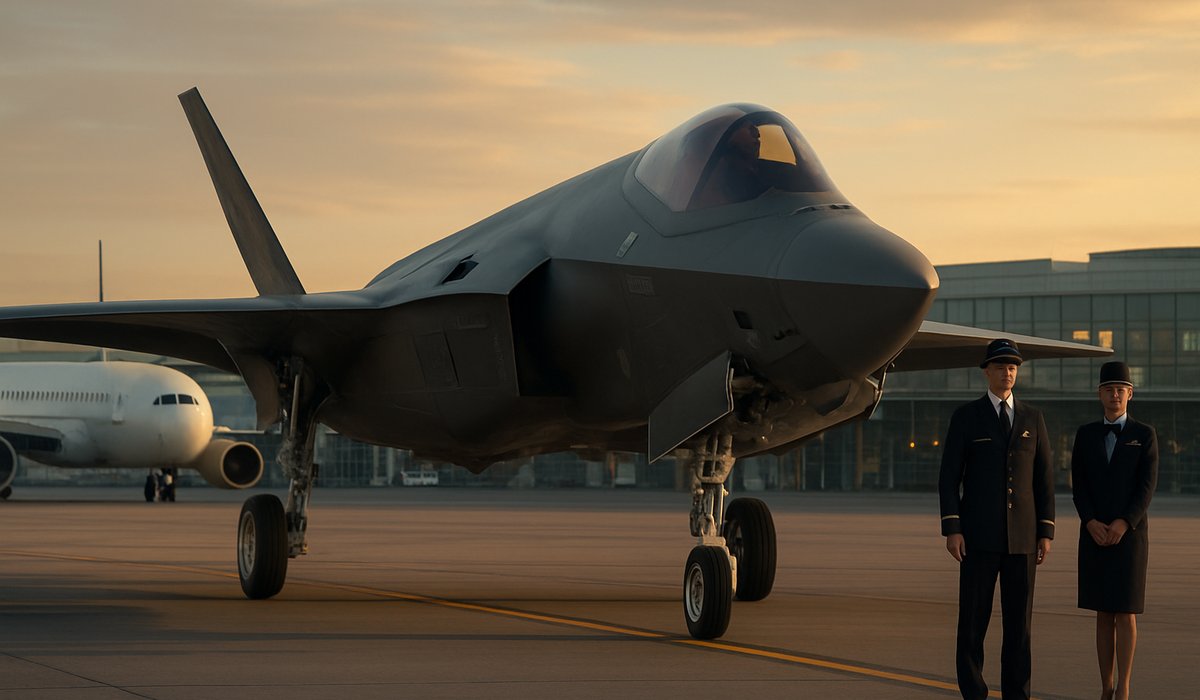
Image generated by AI
F-35 Fighter Jets Face $1 Billion Overhaul: US Navy Launches Sweeping Electronic Warfare Upgrade
A six-year modernization initiative targets nearly one-third of operational Lightning II aircraft, addressing longstanding capability gaps in the military's most advanced combat system
Major Defense Contract Signals Critical Capability Gap
The United States Navy has greenlit an ambitious $1 billion upgrade program for Lockheed Martin's F-35 Lightning II fighter jet fleet, marking a significant acknowledgment that the world's most expensive weapons system has fallen short of its original electronic warfare specifications since entering service.
The Naval Air Systems Command contract represents a major recalibration of the fifth-generation fighter platform, which has been operational for over a decade but continues to face scrutiny over unmet performance targets. The modernization initiative will extend across six years and encompass approximately one-third of active F-35 aircraft currently deployed across the global allied network.
Addressing Electronic Warfare Deficiencies
Electronic warfare superiority has long been marketed as a cornerstone capability of fifth-generation fighter jets, offering operators decisive advantages in contested airspace. However, the F-35 Lightning II has consistently underperformed against the ambitious benchmarks established by Lockheed Martin's Skunk Works division during the aircraft's initial development phase.
The upgrade program directly targets these persistent limitations, focusing on enhancing the jet's advanced sensing and signal processing systems. These improvements are designed to strengthen defensive capabilities against sophisticated air-defense threats and hostile electronic systems that continue to evolve across multiple geopolitical theaters.
Strategic Implications for Allied Defense
The scale of this investment underscores the critical role the F-35 plays across allied air forces, including the United States, United Kingdom, Japan, South Korea, and numerous NATO members. With thousands of these aircraft eventually entering service globally, performance gaps carry substantial operational and strategic consequences.
Industry analysts note that the modernization reflects broader trends in military aviation, where platforms increasingly require mid-life capability enhancements to maintain technological superiority. The six-year timeline indicates a deliberate, phased implementation designed to minimize operational disruption while systematically improving fleet readiness.
Lockheed Martin has not yet released detailed specifications regarding the technical modifications involved, though defense officials characterized the initiative as essential for maintaining strategic advantage across contested operating environments.
The contract award comes amid heightened international tensions and accelerating military modernization programs across potential adversaries, making advanced electronic warfare capabilities increasingly vital for allied air superiority.
FAQ: F-35 Upgrade Program & Fifth-Generation Fighter Capabilities
Q: Why is the F-35 receiving a $1 billion upgrade after being operational for over a decade? A: The aircraft has consistently underperformed against original electronic warfare specifications. This upgrade addresses persistent capability gaps in sensing and signal processing systems that were promised during development but have not been fully realized in operational service.
Q: How many F-35 aircraft will be affected by this modernization program? A: The upgrade targets approximately one-third of the active F-35 Lightning II fleet across all allied operators, including US Navy, Air Force, and allied partner nations.
Q: What is the timeline for completing this defense modernization initiative? A: The program spans six years, implementing improvements systematically to minimize operational disruption while enhancing fleet capability across multiple allied air forces.
Q: Which countries operate the F-35 and will benefit from these upgrades? A: Primary operators include the United States, United Kingdom, Japan, South Korea, Canada, Australia, and numerous NATO members, all of which maintain active F-35 Lightning II fleets.
Q: How does this upgrade affect F-35 operational readiness in current geopolitical conflicts? A: Enhanced electronic warfare capabilities improve defensive systems against sophisticated air-defense threats and hostile electronic systems, strengthening allied air superiority in contested operating environments.
Related Travel Guides
Flight Delay Compensation Guide 2026
Understanding Airline Route Changes
Airport Security Process Updated (2026)
External Resources
Disclaimer
This article is for informational and educational purposes only. It does not constitute legal, financial, or professional advice. While we strive to provide accurate and up-to-date information, travel policies, regulations, and conditions change rapidly. Always verify information with official sources before making travel decisions. Nomad Lawyer makes no representations about the accuracy, reliability, completeness, or suitability of the information provided. Readers should consult qualified professionals for advice specific to their circumstances. The views expressed in this article are those of the author and do not necessarily reflect the views of Nomad Lawyer.
Raushan Kumar
Founder & Lead Developer
Full-stack developer with 11+ years of experience and a passionate traveller. Raushan built Nomad Lawyer from the ground up with a vision to create the best travel and law experience on the web.
Learn more about our team →