
Mpumalanga Aligns With Cape Town And Other Places Of South Africa In Lifting Safari Tourism With Investments And New Visitor Facilities
Mpumalanga Aligns With Cape Town And Other Places Of South Africa In Lifting Safari Tourism With Investments And New Visitor Facilities

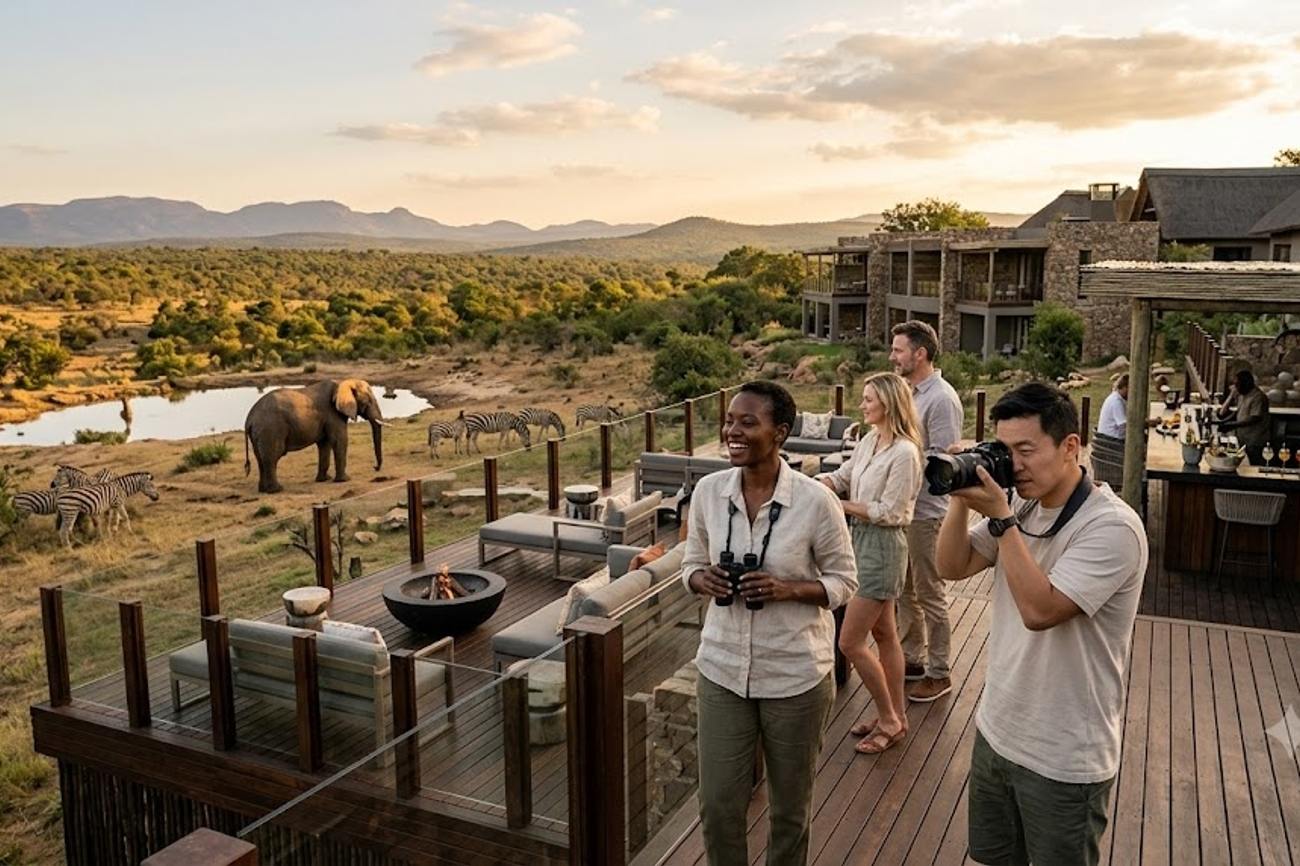
Image generated by AI
[Mpumalanga, 2026] — South Africa is aggressively scaling its safari tourism sector in 2026, with the Mpumalanga province serving as the primary engine for growth through massive investments in wildlife conservation and visitor infrastructure. The strategic expansion focuses on integrating the world-renowned Kruger National Park with enhanced amenities and new experiential offerings to attract a broader demographic of international and domestic travelers.
The initiative is part of a coordinated national effort involving multiple provinces—including the Western Cape, KwaZulu-Natal, Eastern Cape, and Northern Cape—to create a diversified nature-based tourism network. By synchronizing conservation efforts with luxury hospitality and improved accessibility, South Africa aims to solidify its position as the premier global destination for Big Five encounters. This expansion is supported by the South African National Parks (SANParks) agency and local provincial governments to ensure that tourism growth does not compromise ecological integrity.
The Drivers of Safari Expansion
The current surge in safari tourism is not accidental but the result of a targeted 2026 strategy focusing on five critical pillars: intensified conservation programs, the modernization of visitor facilities, aggressive destination marketing, deep community integration, and increased accessibility for diverse traveler types.
Mpumalanga's role is pivotal because it controls the gateway to the southern and central sectors of Kruger National Park. The province is currently leveraging its diverse ecosystems to offer more than just traditional game drives. By linking wildlife viewing with the Blyde River Canyon and various scenic mountain routes, the region is transitioning from a "stop-over" destination to a comprehensive nature-based holiday hub.
Logistical bottlenecks are being addressed through the optimized use of the Kruger Mpumalanga International Airport. This facility serves as the primary aerial artery for the region, allowing high-net-worth travelers and international tourists to bypass lengthy overland transfers and enter the safari circuit immediately upon arrival.
Regional Impact and Market Specialization
The 2026 strategy divides South Africa’s safari offerings into specialized markets to avoid internal competition and maximize the appeal to different traveler profiles.
| Destination | Primary Safari Strength | 2026 Growth Focus |
|---|---|---|
| Mpumalanga | Kruger National Park & Private Reserves | Conservation investment & facility upgrades |
| Cape Town/Western Cape | Coastal Landscapes & Adventure | Premium tourism & cultural integration |
| KwaZulu-Natal | Hluhluwe-iMfolozi & iSimangaliso | Beach-safari hybrids & heritage |
| Eastern Cape | Addo Elephant National Park | Family-centric travel & elephant conservation |
| Northern Cape | Kgalagadi Transfrontier Park | Remote desert wildlife experiences |
| North West | Pilanesberg Game Reserve | Short-stay, accessible safari breaks |
In Mpumalanga specifically, the growth is bifurcated between the public sector (Kruger National Park) and the private sector (Greater Kruger region). The public sector is prioritizing the protection of endangered species and the upgrading of basic visitor accommodation to handle higher volumes of traffic. Meanwhile, private game reserves are pivoting toward "ultra-luxury" and personalized experiences, offering exclusive wildlife viewing and professional guiding services that cater to the sustainability-conscious luxury traveler.
What This Means for Travelers
For those booking trips in 2026, the "safari experience" is shifting from a standardized tour to a customizable itinerary. The integration of different provinces means travelers can now realistically combine a Big Five safari in Mpumalanga with a desert expedition in the Northern Cape or a coastal wildlife tour in KwaZulu-Natal without fragmented logistics.
Direct impacts include:
- Increased Luxury Options: The expansion of private reserves in the Greater Kruger area means more high-end lodges with a focus on sustainability and "low-impact" tourism.
- Better Accessibility: Improved infrastructure around the Kruger Mpumalanga International Airport reduces transit times between the airport and the park gates.
- Diverse Wildlife Portfolios: Travelers are no longer limited to the "dry" safari. The development of the iSimangaliso Wetland Park allows for water-based wildlife viewing (hippos, crocodiles, and marine life), providing a stark contrast to the savannahs of the interior.
- Family-Centric Packages: The Eastern Cape's focus on Addo Elephant National Park is specifically designed to lower the barrier to entry for families, offering safer, more accessible wildlife encounters.
The Future of South African Conservation Tourism
The 2026 roadmap views tourism revenue not as a byproduct, but as a primary funding mechanism for conservation. Funds generated from visitor fees and luxury lodge levies are being directly reinvested into the protection of endangered species and the management of vast ecosystems.
Furthermore, the strategy is shifting toward community-based tourism. By integrating local enterprises into the hospitality and guiding supply chains, the South African government is attempting to reduce poaching and habitat encroachment by providing viable economic alternatives to local populations. This "conservation-through-employment" model is being scaled across all participating provinces to ensure the long-term viability of the wildlife populations.
Looking ahead, the focus will likely shift toward "transfrontier" experiences, particularly in the Northern Cape's Kgalagadi region, where the boundaries between nations are blurred to allow wildlife to migrate naturally, offering tourists a more authentic, raw encounter with nature.
FAQ: South Africa Safari Tourism 2026
Which province is best for a first-time Big Five safari? Mpumalanga is the premier choice for first-timers due to its access to Kruger National Park and the surrounding private reserves, which offer the highest probability of seeing lions, leopards, elephants, rhinos, and buffalo in one trip.
Can I combine a safari with a beach holiday? Yes. The 2026 strategy specifically promotes KwaZulu-Natal for this purpose, where travelers can visit the Hluhluwe-iMfolozi Park for wildlife and the Indian Ocean coastline for beaches in a single itinerary.
Is the safari experience family-friendly in 2026? Highly. The Eastern Cape, specifically Addo Elephant National Park, has been optimized for family travel, focusing on accessible wildlife viewing and educational conservation programs for children.
How do I get to the Kruger region most efficiently? The most direct route is via the Kruger Mpumalanga International Airport, which provides a streamlined gateway for international arrivals heading directly into the safari circuit.
South Africa is redefining the safari not as a trip, but as a sustainable ecosystem of luxury, conservation, and community.
#Mpumalanga2026 #KrugerNationalPark #SouthAfricaSafari #SANParks #BigFiveTourism #KgalagadiTransfrontier
Related Travel Guides
- Egypt Is Now Unlocking a New Opportunity as the Luxor Medical Tourism Hub Links Care and Nile Heritage
- Dubai Upgrades Oud Maitha Road With Major Travel Infrastructure Project To Cut Journeys And Boost City Connectivity
- China’s Frontier Highway Transformation Boosts Tourism, Rural Economy And Cross-Border Travel Opportunities
Disclaimer
This article is for informational and educational purposes only. It does not constitute legal, financial, or professional advice. While we strive to provide accurate and up-to-date information, travel policies, regulations, and conditions change rapidly. Always verify information with official sources before making travel decisions. Nomad Lawyer makes no representations about the accuracy, reliability, completeness, or suitability of the information provided. Readers should consult qualified professionals for advice specific to their circumstances. The views expressed in this article are those of the author and do not necessarily reflect the views of Nomad Lawyer.
Raushan Kumar
Founder & Lead Developer
Full-stack developer with 11+ years of experience and a passionate traveller. Raushan built Nomad Lawyer from the ground up with a vision to create the best travel and law experience on the web.
Learn more about our team →