
China’s Frontier Highway Transformation Boosts Tourism, Rural Economy And Cross-Border Travel Opportunities
China’s Frontier Highway Transformation Boosts Tourism, Rural Economy And Cross-Border Travel Opportunities

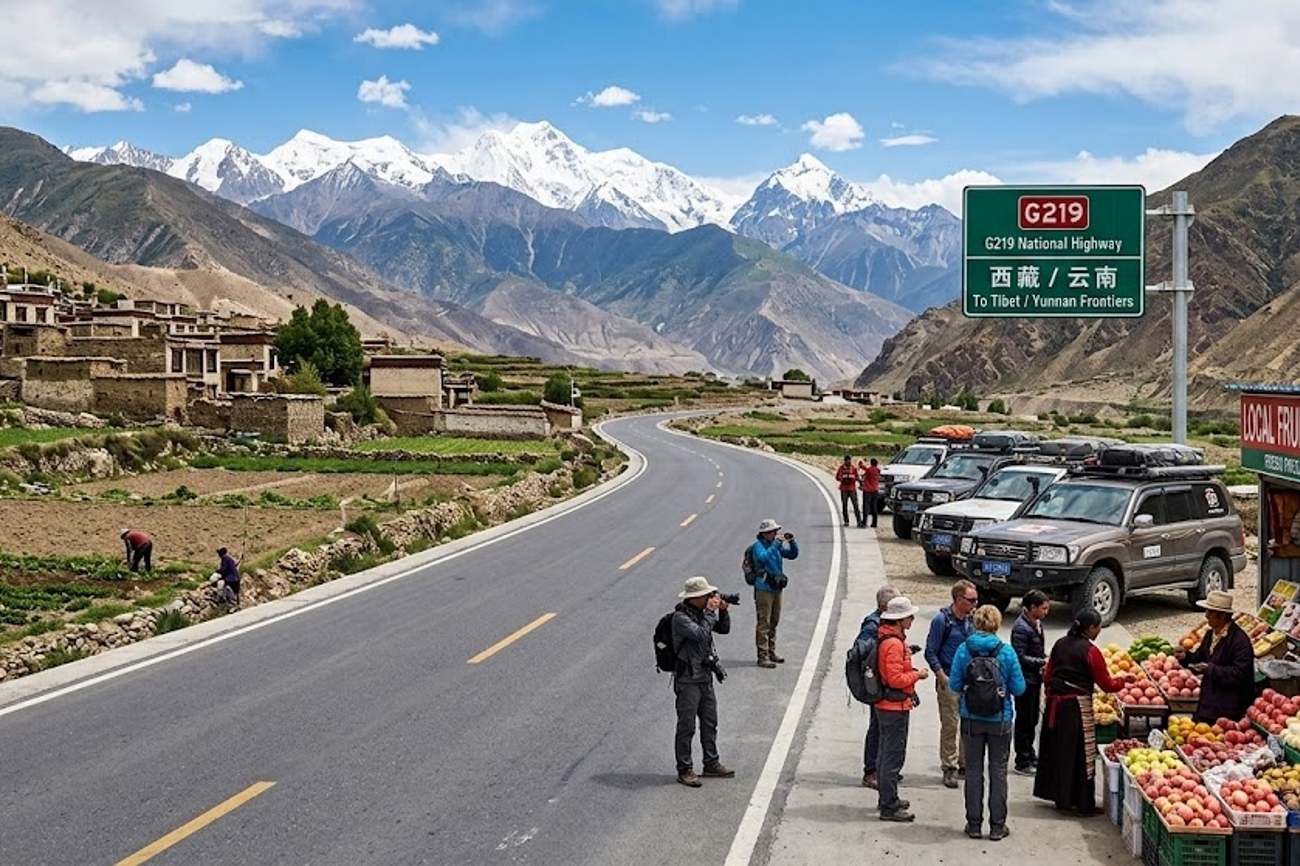
Image generated by AI
[Jilin, 2025] — China has fully operationalized the Jilin section of the G331 National Highway, transforming a once-isolated frontier into a high-traffic tourism corridor that connects 216 border villages and 12 border ports. The infrastructure project has effectively converted the northeastern border from a transit zone into a primary destination for self-drive and cross-border travel.
The G331 route spans approximately 1,240 kilometers across Jilin Province, linking 10 county-level regions and providing streamlined access to 45 scenic attractions rated AAA level or higher. By bypassing the narrow roads and treacherous mountain terrain that previously hindered access, the highway now facilitates large-scale movement through the Changbai Mountains and along the banks of the Yalu and Tumen rivers.
The Infrastructure Catalyst
The primary trigger for this regional shift was the completion of the G331 highway upgrades, which removed systemic bottlenecks in northeastern China. Prior to these developments, the region's tourism potential was suppressed by limited transport connections and challenging geography. The new highway serves as a logistical spine, integrating fragmented cultural and natural resources into a cohesive regional network.
This project is part of a broader strategic effort by the Ministry of Transport of the People's Republic of China to enhance rural connectivity and stimulate economic growth in frontier provinces. By upgrading the road quality and expanding the network, the government has enabled the rise of "independent travel," allowing tourists to bypass traditional tour groups in favor of flexible, self-driven itineraries.
Affected Travelers, Airlines and Logistics
The impact of the G331 opening is distributed across several key demographics and geographic zones:
- Self-Drive Tourists: Individuals seeking nature-based and cultural experiences now have a viable route through the northeast frontier.
- Cross-Border Travelers: International visitors and residents moving between China and Russia are utilizing the enhanced connectivity.
- Rural Residents: Inhabitants of 216 border villages are transitioning from traditional production to service-based tourism economies.
- Local Businesses: Operators of AAA-rated scenic sites and new homestay ventures are seeing increased foot traffic.
- Regional Hubs: Cities like Ji’an and Hunchun are experiencing surges in visitor arrivals.
Practical Traveler Advisory and Strategic Insights
For the modern traveler, the opening of the G331 removes the "accessibility tax" previously associated with Jilin's border regions. What was once a grueling expedition through mountain passes is now a navigable road trip.
Passenger Impact:
- Route Flexibility: Travelers can now combine multiple destinations—such as the Changbai Mountains and the Yalu River—into a single itinerary without returning to major urban hubs.
- Accommodation Shifts: There is a surge in "homestay" options. Travelers should expect a transition from standardized hotels to community-based lodging in rural villages.
- Cross-Border Ease: Those traveling to Russia via Jilin will find the approach to Hunchun Port significantly faster and more reliable.
- New Activity Hubs: The rise of wellness-focused tourism in Hunchun means travelers can now book traditional healthcare and relaxation packages as part of their frontier itinerary.
The Economic Shift in Border Zones
The G331 is not merely a road but an economic engine for Jilin’s rural periphery. Communities are currently repurposing unused buildings and traditional rural properties into commercial guest houses and tourism facilities. This shift is supported by digital promotion platforms that allow remote villages to market their local traditions directly to urban travelers.
China's strategic expansion of frontier highways is streamlining access to remote border regions, significantly reducing travel times for international tourists and traders. These infrastructure upgrades are integrated with broader regional development goals managed by the Ministry of Transport of the People's Republic of China, facilitating smoother passenger logistics and enhanced connectivity across provincial lines.
In the western sector, Ji’an is leveraging the highway to revitalize historical sites that were previously ignored due to poor road conditions. The integration of heritage tourism with scenic landscapes is attracting a new demographic of educational and family-based travelers.
At the eastern terminus, Hunchun is cementing its status as a strategic land-port. As Jilin’s only land-port city connected to Russia, Hunchun is seeing a massive spike in mobility. In 2025, passenger traffic through Hunchun Port hit a record 754,000 people. This volume is driving the development of diverse travel packages that blend cross-border logistics with wellness and cultural discovery.
Future Growth and Market Integration
The immediate success of the G331 is evidenced by the 2025 holiday data. During the Mid-Autumn Festival and National Day period, the route recorded over 307,000 vehicles. Peak demand hit approximately 50,100 vehicles in a single day, signaling a permanent shift in how the northeast frontier is consumed by the travel market.
Looking forward, the integration of improved logistics is allowing rural producers to move beyond tourism. Local goods are now reaching larger markets via online channels, supported by the same highway that brings tourists in. The China National Tourism Administration (under the Ministry of Culture and Tourism) is likely to see continued growth in "border-tourism" as a specific niche.
The transformation of these regions from "transit areas" to "stay-over destinations" suggests a long-term increase in the average length of stay for visitors. This evolution is expected to attract further investment in high-end hospitality and specialized tour operators focusing on the G331 corridor.
FAQ: Jilin G331 Frontier Travel 2025
What is the G331 National Highway? It is a major infrastructure project in China's Jilin Province that spans 1,240 kilometers along the border. It connects 10 county-level areas, 12 border ports, and 216 villages, facilitating tourism and rural development.
How has the highway affected traffic in the region? Traffic has surged significantly. During the 2025 Mid-Autumn and National Day holidays, the route saw over 307,000 vehicles, with peak daily traffic reaching 50,100 vehicles.
Can I use the G331 for international travel? Yes. The highway leads to Hunchun, Jilin's only land-port city connected to Russia. Hunchun Port saw record passenger traffic of 754,000 in 2025, making it a primary hub for cross-border mobility.
What types of tourism are available along the route? Travelers can engage in self-drive nature tours, visit AAA-rated scenic sites, explore historical resources in Ji’an, and access wellness-focused healthcare and relaxation programs in Hunchun.
The frontier is no longer a boundary, but a destination.
Related Travel Guides
- Egypt And UAE Create A New Tourism Powerhouse With Smarter Travel Solutions, Better Connectivity And Investment Opportunities
- Akasa Air Sparks A New Travel Trend As Bengaluru Emerges As The Top Pet Travel Hub Across Its Growing Domestic Network
- Madagascar Leads the Ultimate African Road Adventure Across Seven Extraordinary Routes
Disclaimer
This article is for informational and educational purposes only. It does not constitute legal, financial, or professional advice. While we strive to provide accurate and up-to-date information, travel policies, regulations, and conditions change rapidly. Always verify information with official sources before making travel decisions. Nomad Lawyer makes no representations about the accuracy, reliability, completeness, or suitability of the information provided. Readers should consult qualified professionals for advice specific to their circumstances. The views expressed in this article are those of the author and do not necessarily reflect the views of Nomad Lawyer.
Naina Thakur
Contributor & Travel Specialist
Travel enthusiast and legal writer covering visa regulations, responsible tourism, and cultural journeys across global destinations.
Learn more about our team →