Montenegro's Autumn Surge: How 77,000 September Visitors Are Redefining Adriatic Shoulder Season Travel

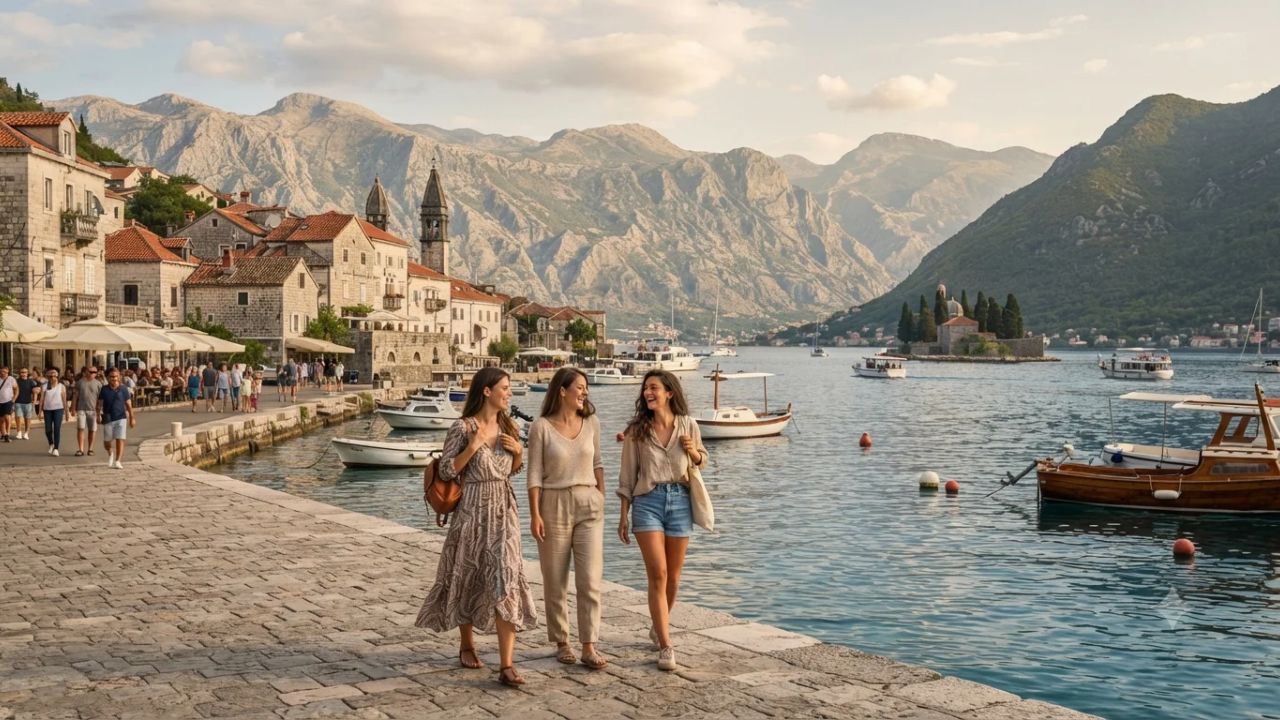
While summer crowds pack the narrow stone alleyways of coastal citadels in July and August, seasoned travelers know that Montenegro’s crystal Adriatic waters remain warm well into autumn, and the country welcomed around 77,000 tourists on 17 September alone. According to preliminary data collected by local tourism organisations and submitted to the National Tourism Organisation of Montenegro, this post-peak influx represents an 18 per cent increase compared with the exact same timeframe last year, while matching an identical 18 per cent leap above the pre-pandemic 2019 benchmark.
The shift underscores a profound evolution in how international travelers approach the western Balkans. Rather than treating this compact Adriatic republic as a brief cruise port-of-call or an excursion from neighboring Dubrovnik, visitors are increasingly arriving during the golden shoulder months of September and October. By pairing sunlit coastal fjord swims with crisp alpine trekking in the northern highlands, travelers are unlocking the authentic rhythms of local life without battling midsummer heat or crowded waterfront promenades.
The Autumn Shift: Why Montenegro's Shoulder Season Is Breaking Records
The latest visitor tallies confirm that Montenegro’s hospitality momentum extends far beyond traditional summer vacation windows. The presence of around 77,000 tourists on 17 September demonstrates sustained appetite for autumn exploration, expanding hotel occupancy rates and extending maritime excursion seasons in seaside havens such as Kotor, Tivat, Budva, and Ulcinj.
Financial indicators mirror this physical footfall. From the beginning of the year until 16 September, national collections from the mandatory residence tax—which includes the dedicated portion allocated directly to the state budget—reached approximately €2 million. This intake marks a rise of around 10 per cent compared with the same period of the previous year.
| Performance Metric | 2026 Shoulder Season Result | Comparison Benchmark |
|---|---|---|
| Daily Tourist Count (17 September) | ~77,000 visitors | +18% vs. September 2025 |
| Historical Baseline Growth | ~77,000 visitors | +18% vs. September 2019 |
| Residence Tax Revenue (Jan 1 – Sep 16) | ~€2 million | +10% vs. equivalent 2025 period |
| Core Coastal Hubs | Kotor, Budva, Tivat, Herceg Novi, Bar | Extended sailing and swim season |
| Core Highland Hubs | Žabljak, Kolašin, Biogradska Gora | Prime foliage and canyon trekking |
These financial gains provide municipal authorities and regional tourism boards with capital necessary to upgrade historic preservation initiatives, maintain public amenities, and improve road networks connecting coastal bays with remote mountain valleys.
What Makes Montenegro's Coast and Highland Corridor Unique
Montenegro packs unmatched geographic and cultural diversity into an area smaller than the state of Connecticut. Within a two-hour drive, you can transition from olive groves and Venetian palaces along the Adriatic Sea to glacial lakes and limestone summits in the Dinaric Alps.
At the heart of the coastal experience lies Boka Kotorska, often described as southern Europe's southernmost fjord. This submerged river canyon features fortified maritime towns like Kotor and Perast, where baroque stone palaces and seafaring churches sit beneath towering limestone massifs. The entire perimeter is protected under the UNESCO World Heritage registry for its historic architecture and marine setting.
Moving inland past Podgorica, the terrain rises into the dramatic peaks of Durmitor National Park and the Tara River Canyon, Europe's deepest river gorge. Administered by the National Parks of Montenegro, this alpine realm offers pristine glacial tarns known locally as "mountain eyes," centuries-old pine forests, and high-altitude shepherd settlements (katuns) where traditional cheesemaking persists unchanged across generations.
Visitor Insider Tips: Timing, Local Feasts, and Transport Hacks
Experiencing Montenegro with ease requires adapting to local customs and taking advantage of autumn travel dynamics:
- Seize the September Sea Temperatures: Adriatic water temperatures hover around 23°C to 25°C through late September, while daytime air temperatures settle into a comfortable 26°C. You can swim at secluded spots like Drobni Pijesak or the Luštica Peninsula without the beach umbrella crowding typical of July.
- Drive the 25 Serpentine Hairpins: To bypass highway traffic between Kotor and Cetinje, take the historic Austro-Hungarian P1 carriage road. The switchbacks offer panoramic vistas across the entire Bay of Kotor, especially at sunset when the limestone cliffs turn deep ochre.
- Ride the Historic Mountain Train: For one of the world's most dramatic train journeys, board the local passenger service operated by Montenegro Railways from Bar on the coast through Podgorica and up to Kolašin. The train crosses the Mala Rijeka Viaduct, soaring 200 meters above the canyon floor.
- Order Like a Local at Family Konobas: In coastal fishing villages, seek out rustic family taverns (konobas) and order mušule na buzaru (fresh mussels simmered in white wine, olive oil, garlic, and flat-leaf parsley) paired with a glass of crisp regional Krstač white wine. In the mountains around Nikšić and Durmitor, switch to hearty kačamak (slow-cooked cornmeal mashed with aged mountain cream and sheep cheese) alongside robust native Vranac red wine.
- Mind Monastery Etiquette: When visiting revered spiritual sanctuaries such as the cliffside Ostrog Monastery or Cetinje Monastery, dress modestly with shoulders and knees covered. Remove hats upon entry and maintain quiet reverence inside sacred cave chapels.
Cultural and Environmental Context: Balancing Heritage with Rising Arrivals
The rise in shoulder-season arrivals brings both economic vitality and ecological responsibility. In past decades, extreme midsummer peak volumes strained municipal water supplies, created bottlenecks on coastal roads, and overwhelmed historic stone alleys inside UNESCO-listed fortifications.
By encouraging visitors to explore during September and distributing traveler flows into rural highland regions, Montenegro is establishing a more resilient tourism model. The €2 million gathered in residence tax revenue directly aids local councils in maintaining sanitation services, expanding ecological waste management programs, and restoring centuries-old pedestrian stairs and defensive stone walls.
Furthermore, extending the active travel calendar provides year-round financial stability for family-owned guesthouses, artisan winemakers, and mountain guides. This distribution of economic benefit encourages younger generations to stay in historic coastal towns and rural alpine villages rather than migrating to capital cities, preserving Montenegro's rich culinary traditions, folk arts, and community heritage.
FAQ: Visiting Montenegro in 2026
What makes September such an ideal month to travel to Montenegro?
September offers pleasant daytime temperatures around 25°C, warm Adriatic waters suitable for swimming, uncrowded historic old towns, and significantly lower accommodation rates compared to July and August.
Do international travelers need a visa to enter Montenegro?
Citizens of the European Union, the United States, Canada, the United Kingdom, and Australia can enter Montenegro visa-free for stays of up to 90 days with a valid passport.
What is the best way to travel between the coast and the northern mountains?
Renting a car offers the greatest flexibility for navigating scenic mountain passes, though reliable intercity buses and the scenic Bar-to-Bijelo Polje train line provide budget-friendly alternatives.
Is Montenegro an affordable destination for independent travelers?
Montenegro uses the Euro as its de facto currency and remains considerably more budget-friendly than neighboring Croatia or Italy, particularly for dining, regional transportation, and boutique guesthouse stays.
[From sunlit Adriatic fjord waters to high limestone peaks, Montenegro proves that its truest magic unfolds when the summer rush subsides.]
Related Travel Guides
This article is for informational purposes. Flight routes, passenger regulations, visa rules, and transit advisories are subject to change by airlines and aviation authorities. Readers are advised to verify schedules and travel documentation with relevant carriers and border agencies before departure.
Related Stories

Mount Fuji First Sunrise Flights 2027: Japan Airlines New Year Aerial Guide

Cambodia Beyond Angkor Wat: Etihad Airways and Tourism Board Travel Guide 2026