
Tucked Between Reno and Lake Tahoe: Nevada's Hidden Mountain Gem Awaits
Discover Nevada's lesser-known mountain sanctuary tucked between Reno and Lake Tahoe in 2026, featuring world-class hiking trails and pristine alpine scenery that rival established travel destinations.

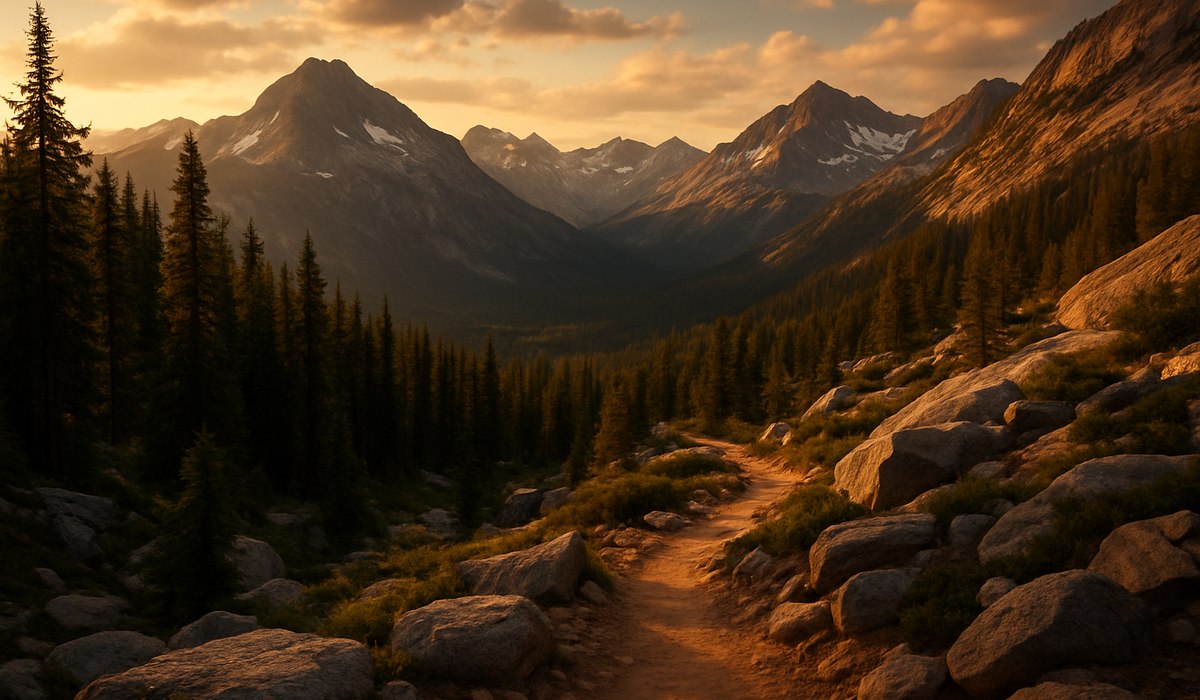
Image generated by AI
Nevada's Best-Kept Alpine Secret Emerges as 2026 Must-Visit Destination
A remarkable mountain sanctuary tucked between Reno and Lake Tahoe is capturing the attention of adventure travelers seeking authentic alpine experiences away from overcrowded resort zones. This underrated destination features dramatic peak summits, extensive hiking trail networks, and panoramic vistas that consistently rival its more celebrated Nevada neighbors. Located in the Sierra Nevada range, this hidden gem offers year-round recreational opportunities and authentic mountain hospitality for nomadic professionals and leisure travelers alike.
Getting There From Reno And Lake Tahoe
Accessing this underrated mountain getaway is straightforward from both major regional hubs. From Reno-Tahoe International Airport, the drive takes approximately 90 minutes via US-395 North, making it an ideal base for exploring the broader region. Lake Tahoe visitors can reach the destination in roughly two hours, positioning it perfectly as a multi-day extension to any Tahoe itinerary.
The route traverses scenic highway corridors through the Carson Range, offering compelling landscape photography opportunities during the journey itself. Ground transportation options include rental vehicles, rideshare services, and organized tour operators specializing in Sierra Nevada excursions. For digital nomads planning extended stays, local shuttle services connect nearby towns with trailhead parking areas, eliminating driving concerns for base camp travelers.
Must-Do Hiking Trails And Peak Summits
This mountain sanctuary boasts over 150 miles of maintained hiking corridors spanning multiple difficulty levels. The signature alpine loop circuit challenges experienced hikers with 8,000+ foot elevation summits and breathtaking ridge-line navigation. Intermediate trekkers appreciate the gentle meadow trails featuring alpine wildflower displays and cascading stream crossings during summer months.
Popular peaks accessible within single-day excursions reward hikers with 360-degree panoramic views encompassing Lake Tahoe, Carson Valley, and distant Sierra summits. Several established routes feature established water sources, emergency shelter structures, and well-marked directional signage. The network design accommodates circular loop options, reducing car-shuttle logistics for independent travelers. Spring and summer months reveal unvegetated rocky terrain ideal for scrambling and peak-bagging adventures.
Visit the Sierra Nevada Conservancy for comprehensive trail maps and current condition updates before planning your hiking expedition.
When To Visit And What To Bring
Summer months (June through September) present optimal climbing conditions with established trail accessibility and reliable weather patterns. Shoulder seasons offer solitude benefits and dramatic seasonal transitions, though weather unpredictability demands flexible itineraries. Winter transforms the landscape into a mountaineering destination requiring specialized equipment and advanced alpine skills.
Essential gear includes sturdy hiking boots with ankle support, weather-appropriate layering systems, and sun protection exceeding standard SPF recommendations at elevation. Carry minimum two-liter water capacity per person and high-calorie snack provisions for extended summit pursuits. Headlamp equipment, first-aid supplies, and emergency communication devices provide critical safety margins for remote trail navigation.
Nearby Amenities And Local Tips
Gateway communities nestled in surrounding valleys offer lodging accommodations ranging from rustic mountain cabins to contemporary resort facilities. Local restaurants emphasize farm-to-table cuisine utilizing regional agricultural products and traditional Sierra Nevada recipes. Several establishments cater specifically to digital nomads, providing reliable internet connectivity and collaborative work environments.
Purchase supplies in larger towns before ascending into mountain regions, as trailhead communities operate limited commercial services. Download offline map applications covering your intended hiking corridors, as cellular coverage remains spotty across higher elevations. Connect with local hiking clubs and visitor centers for current trail condition intelligence and seasonal hazard awareness.
Rail and Transportation Service Guide
While this mountain getaway historically relied on personal vehicle access, emerging regional transportation networks are improving connectivity. Amtrak's California Zephyr connects Reno with major western hubs, positioning visitors approximately 90 minutes from the destination. Several coach services operate between Bay Area metropolitan regions and Reno, with onward ground transportation arrangements available through visitor services.
Book your regional rail connections through Trainline.com, which aggregates Amtrak schedules and partner coach services across North America. Compare ticket pricing by traveling mid-week and planning journeys during off-peak seasons for substantial savings. Flexible date selections often reveal unexpected fare reductions through advanced booking tools available on rail operator platforms.
How to Book the Best Fare
Securing optimal pricing requires strategic booking approaches aligned with rail industry promotional calendars. Reserve tickets 14-21 days in advance, targeting Tuesday and Wednesday departures when demand-based pricing remains lowest. Amtrak's official website frequently features promotional codes offering 10-15% discounts on specific corridor pairs.
For connections between multiple rail segments, aggregator platforms like Trainline often bundle itineraries at discounted rates unavailable through individual carrier websites. Create price alert notifications for your intended travel dates and receive automatic notifications when fares drop. Consider rail passes if planning multiple Sierra Nevada excursions during extended travel periods.
Traveler Impact Data and Facts
| Aspect | Details |
|---|---|
| Distance from Reno | 90 minutes by vehicle |
| Distance from Lake Tahoe | 120 minutes by vehicle |
| Peak Elevation | 11,000+ feet above sea level |
| Hiking Trail Network | 150+ miles of maintained corridors |
| Optimal Hiking Season | June through September |
| Average Summer Temperature | 65-75°F at base elevations |
| Alpine Wildflower Peak | July-August display windows |
| Emergency Services Response | 45-60 minutes from trailhead |
| Lodging Options | 15+ facilities within 20-mile radius |
| Gateway Towns | Genoa, Markleeville, Monitor Valley |
What This Means for Travelers
This emerging destination addresses growing traveler demand for authentic mountain experiences distinct from commercial resort environments. The underrated status means fewer crowds, preserved natural conditions, and genuine community interactions with local residents. Remote work capabilities position the region as an extended stay destination for location-independent professionals.
Actionable guidance for your 2026 visit:
-
Plan 5-7 day minimum stays to properly explore the extensive trail network and adjacent wilderness corridors without rushing between destinations.
-
Schedule visits during June-August for optimal weather reliability, though September offers superior trail conditions with reduced summer heat stress.
-
Arrange advance lodging reservations as the destination gains recognition, with peak-season capacity frequently approaching maximum occupancy.
-
Download offline maps and trail applications before departing urban centers, ensuring navigation independence across areas with inconsistent cellular coverage.
-
Connect with local visitor centers upon arrival for current trail condition reports, seasonal wildlife activity updates, and emerging community events.
Frequently Asked Questions
Is this mountain destination suitable for novice hikers?
Yes, the extensive trail network accommodates all experience levels. Approximately 40% of established routes feature gentle terrain suitable for families and beginning mountaineers. Start with lower-elevation meadow circuits before progressing toward technical ridge-line navigation and scrambling sections.
What wildlife considerations apply to hiking this region?
Black bears, mule deer, and mountain lions inhabit the ecosystem. Store food in bear-resistant containers, make noise during travel, and avoid solo hiking during dawn and dusk hours when predator activity increases. Wildlife encounters remain rare with proper precautions.
Are mountain accommodations available throughout the year?
Summer season offers maximum lodging availability, while winter months see many facilities close temporarily. Shoulder seasons (May-June and September-October) present excellent conditions with moderate
Disclaimer
This article is for informational and educational purposes only. It does not constitute legal, financial, or professional advice. While we strive to provide accurate and up-to-date information, travel policies, regulations, and conditions change rapidly. Always verify information with official sources before making travel decisions. Nomad Lawyer makes no representations about the accuracy, reliability, completeness, or suitability of the information provided. Readers should consult qualified professionals for advice specific to their circumstances. The views expressed in this article are those of the author and do not necessarily reflect the views of Nomad Lawyer.
Kunal K Choudhary
Co-Founder & Contributor
A passionate traveller and tech enthusiast. Kunal contributes to the vision and growth of Nomad Lawyer, bringing fresh perspectives and driving the community forward.
Learn more about our team →