
Exploring Kotor Montenegro: Why This Adriatic Gem Is Redefining Sustainable Luxury Travel in 2026
Discover how Kotor, Montenegro is replacing overcrowded Adriatic hubs with sustainable tourism, 1,350-year-old architecture, and high-value culinary experiences for the conscious traveler.

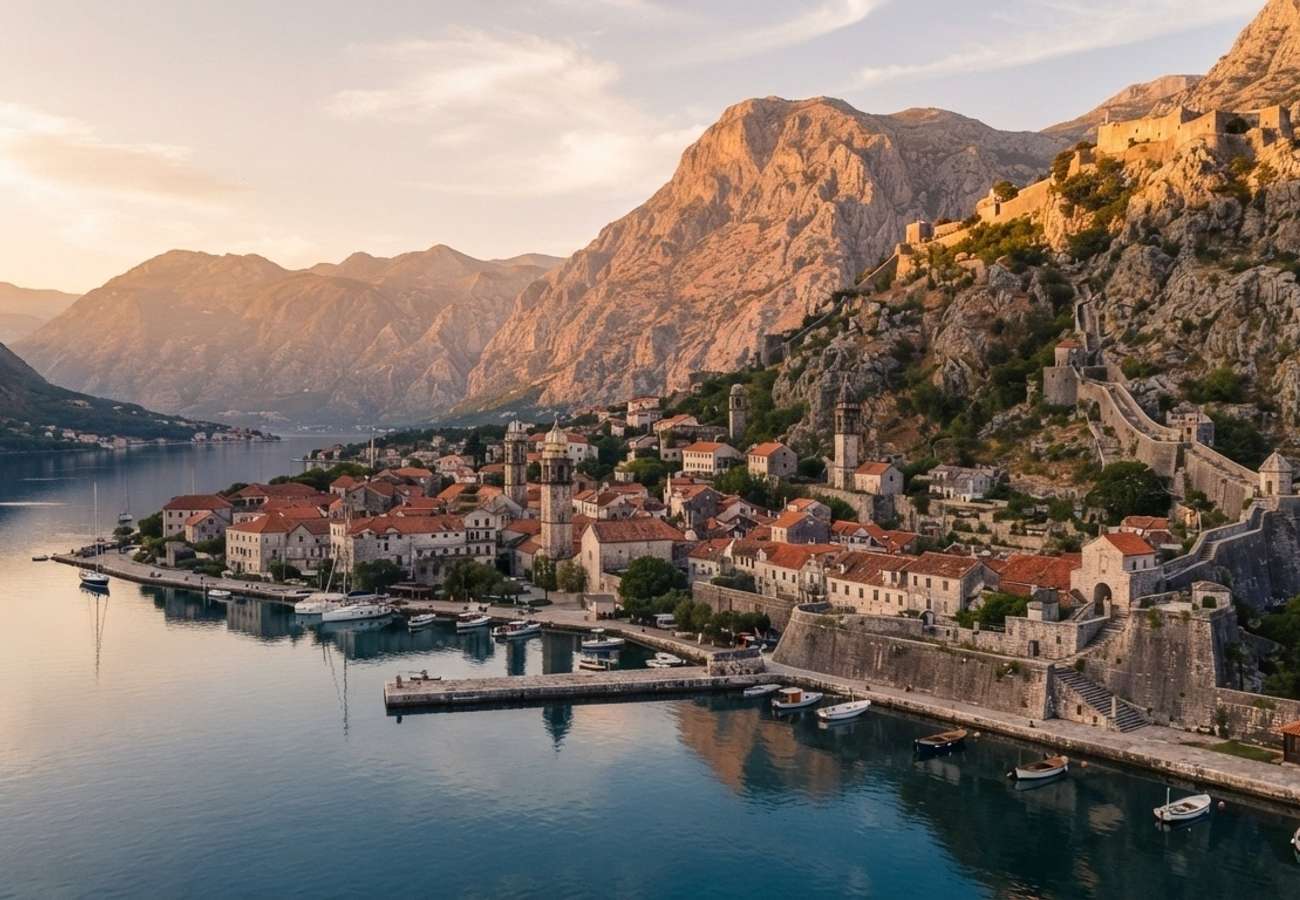
Image generated by AI
The shift toward "secondary cities" is no longer a niche trend—it is the new standard for the 2026 travel season. Montenegro is now the primary beneficiary as global itineraries pivot away from congested hubs like Dubrovnik toward the serene, high-value sanctuary of Kotor.
The Balkan Shift: Beyond the Tourist Traps
A significant realignment is occurring within European tourism. International tour operators are actively restructuring itineraries to move away from overburdened Western European hubs. By redirecting flow toward Montenegro, the industry is effectively distributing economic gains more evenly across Southern Europe and alleviating the infrastructural strain on neighboring cities.
For the traveler, this means a transition from "checklist sightseeing" to genuine cultural immersion. The modern explorer is prioritizing unhurried rhythms and authentic interactions over commercialized hotspots. Kotor has positioned itself as the benchmark for this movement, attracting eco-conscious visitors and heritage enthusiasts who seek a destination where the historical character remains intact.
1,350 Years of Architectural Fusion
The physical allure of Kotor is defined by a dramatic collision of geography and history. Massive limestone cliffs plunge directly into the Adriatic, creating a natural harbor that serves as a protective cradle for a town with over 1,350 years of preserved legacy.
Walking through the medieval walls, the impact is immediate. The town is not a museum but a living record of geopolitical shifts, featuring a blend of Venetian, Byzantine, and Ottoman styles. The narrow stone corridors and traditional public squares demonstrate the commercial and cultural value of strict conservation, proving that preserving original masonry is more lucrative in the long term than modern redevelopment.
Physical Milestones and Maritime Legends
Adventure in Kotor is measured in steps and salt. The most prominent physical challenge is the ascent to St. John’s Fortress, which requires climbing precisely 1,350 stone steps carved into the mountain. This rigorous trek has become a primary driver for active tourism, pulling visitors away from passive resorts and toward high-altitude vistas that overlook the iconic red-tiled roofs of the old town.
Beyond the shoreline lies Our Lady of the Rocks, a testament to maritime devotion. This man-made island was constructed over centuries by local sailors who strategically deposited rocks and salvaged shipwrecks. At its center sits a 15th-century church, a site that anchors the regional identity and serves as a reminder of the community's ancestral link to the sea.
Sustainable Gastronomy and the Value Equation
One of the most compelling reasons for the surge in Kotor's popularity is the cost-to-quality ratio. The regional dining ecosystem is built on a strict farm-to-table philosophy, emphasizing:
- Fresh Adriatic Seafood: Sourced directly from local fisheries.
- Artisanal Produce: Regional cheeses and cured meats.
- Indigenous Viticulture: Local wines that rival Italian counterparts.
The result is a luxury culinary experience delivered at a fraction of the cost found in Western Europe. By keeping the supply chain local, the tourism revenue stays within the community, supporting regional agriculture and creating a resilient, circular economy.
Visitor Insider Tips
To experience Kotor beyond the cruise ship crowds, follow these local strategies:
- The Golden Window: Visit between May and June or September and October. You avoid the July peak while still enjoying warm Adriatic waters and clear skies for the fortress climb.
- The "Quiet" Ascent: Start your climb to St. John’s Fortress at dawn. Not only do you beat the heat, but you capture the bay in the softest light before the day-trippers arrive.
- Dining Etiquette: Seek out "Konobas" (traditional taverns) in the smaller alleys away from the main waterfront. Order the black risotto—a regional specialty.
- Eco-Contribution: Support the local economy by purchasing honey and herbs from the village markets in the upper hills rather than the souvenir shops in the center.
Tourism Outlook
Montenegro is currently redefining the spirit of responsible travel. By leveraging UNESCO listings and integrating sustainable practices, the region is ensuring that growth does not come at the expense of heritage. As global travel costs rise, Kotor’s ability to provide high-value, authentic experiences will likely solidify its position as the premier Adriatic destination for the remainder of the decade.
Kotor is not just a destination; it is a reminder that the essence of travel lies in the stories we find in the stone and the kindness of the people we meet along the way.
Related Travel Guides
Disclaimer
This article is for informational and educational purposes only. It does not constitute legal, financial, or professional advice. While we strive to provide accurate and up-to-date information, travel policies, regulations, and conditions change rapidly. Always verify information with official sources before making travel decisions. Nomad Lawyer makes no representations about the accuracy, reliability, completeness, or suitability of the information provided. Readers should consult qualified professionals for advice specific to their circumstances. The views expressed in this article are those of the author and do not necessarily reflect the views of Nomad Lawyer.
Preeti Gunjan
Contributor & Community Manager
A passionate traveller and community builder. Preeti helps grow the Nomad Lawyer community, fostering engagement and bringing the reader experience to life.
Learn more about our team →