
Minnesota, Mississippi & Missouri Face Off in 2026 Tourism Boom

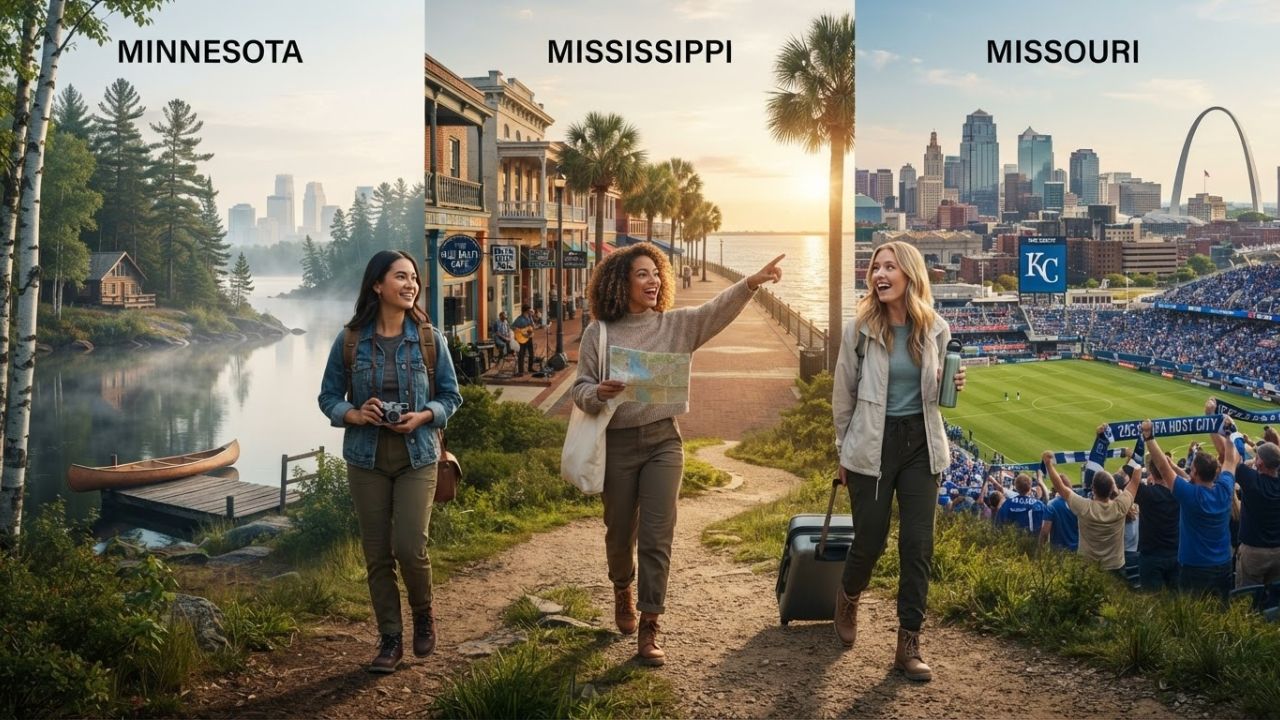
Minnesota, Mississippi, and Missouri logged historic visitor numbers heading into 2026, generating a combined economic impact exceeding $63.6 billion through three sharply contrasting regional trajectories: wilderness lakes recreation, Deep South heritage tourism, and a dramatic FIFA World Cup travel surge.
As traveler preferences diversify across the American interior, the three "M States" demonstrate the evolving forces steering domestic tourism. Minnesota is leaning into its 10,000-plus freshwater lakes and resilient urban hospitality despite cross-border Canadian headwinds; Mississippi has transformed delta blues and coastal gaming into its fourth-largest state industry; and Missouri has capitalized on Kansas City’s 2026 FIFA World Cup host duties to record unprecedented summer international arrivals.
The Local Trend Revealed: Three Divergent Heartland Paths
The latest performance benchmarks highlight how regional assets, cultural heritage, and international sports mega-events create vastly different growth curves across the Mississippi River basin.
| Performance Metric | Minnesota | Mississippi | Missouri |
|---|---|---|---|
| Annual Visitor Volume | 81.6 million (2024 baseline; 2025-26 stabilizing) | 44.2 million (record, up from 43.7M) | 42.4 million (FY2024 record, up from 41.9M) |
| Direct Visitor Spending | $14.7 billion | $11.9 billion (+3.2% growth) | Driving $20.8 billion total economic impact |
| Total Economic Footprint | $24.7 billion | $18.1 billion | $20.8 billion (highest among the trio) |
| State & Local Tax Revenue | Nearly $2.4 billion (saves households $1,000+) | $1.1+ billion ($2.2B total government revenue) | $611 million+ (climbing post-tournament) |
| 2025–2026 Trend Dynamic | Cautious stability; winter RevPAR up 26% in metro | Sustained multi-year climb; now 4th-largest industry | Sharp summer 2026 spike (+25% in June–July) |
| Primary Economic Catalyst | Boundary Waters, Twin Cities arts, lake resorts | Biloxi casinos, Blues Trail, civil rights history | Kansas City World Cup matches, Route 66, Ozarks |
Minnesota: Lakes, Wilderness, and Cross-Border Realities
Minnesota anchors one of the Midwest’s premier outdoor recreational economies, with 81.6 million annual visitors delivering a total economic footprint of $24.7 billion. Explore Minnesota notes that visitor activity saves the average household over $1,000 in state and local taxes annually.
However, recent quarters present a more nuanced picture. While winter hotel occupancy climbed 11.4% to 46.1% and Twin Cities RevPAR surged over 26%, cross-border Canadian leisure trips plummeted by up to 30% in several months due to exchange-rate pressure, alongside wildfire smoke drifting south. Total overseas arrivals declined an estimated 27.6% to approximately 168,000 in 2025, and Minneapolis-St. Paul International Airport (MSP) passenger counts dipped nearly 3% through the first five months of 2026. Nonetheless, 82% of travelers rated their Minnesota visit as good or excellent, sustained by loyal regional repeat travelers heading to lake cabins and the Boundary Waters.
Mississippi: Compounding Consistent Gains into a Top-Four Pillar
Mississippi’s ascent has been steady and strategic. Welcoming a record 44.2 million visitors in 2024, the state generated $11.9 billion in direct spending and an $18.1 billion economic footprint. Tourism has officially overtaken several legacy sectors to become Mississippi’s fourth-largest industry, sustaining roughly 136,000 jobs—representing one in every 13 jobs statewide—and $4.6 billion in labor income.
Under the direction of Governor Tate Reeves and Visit Mississippi Director Rochelle Hicks, visitors now spend more than $31 million per day across the state. Recreation spending expanded 5.8%—the fastest-growing category—spurred by the 14th year of the state’s Tourism Development Grant program distributing event support across all 82 counties. Momentum has been so formidable that state lawmakers are weighing the creation of a standalone Mississippi Department of Tourism.
Missouri: The World Cup Summer Catalyst
Missouri entered 2026 on historic footing with 42.4 million fiscal year visitors and a record $20.8 billion economic impact, supporting over 300,000 jobs. However, its trajectory accelerated into overdrive as Kansas City hosted the 2026 FIFA World Cup.
While Missouri recorded modest tourist traffic in February and March, the tournament transformed summer demand. Visitor arrivals jumped over 30% year-over-year in June and more than 20% in July, generating a 25% average summer spike compared with 2% baseline growth in other months. International supporters, traveling teams, and overseas media drove record occupancy across Kansas City hotels, complementing established domestic corridors in St. Louis, Branson, and along historic Route 66.
Cultural and Environmental Value: Preserving Rivers, Blues, and Prairie Heritage
Each state offers travelers an immersion in distinct regional environments and living traditions:
- Minnesota's Canoe Wilderness: The Boundary Waters Canoe Area Wilderness (BWCA) protects over one million acres of glaciated waterways, boreal forests, and granite bluffs. Visitors paddle historic Ojibwe and Voyageur trade routes, portaging canoes between pristine lakes where motorboats are strictly prohibited.
- The Mississippi Blues Trail & Civil Rights Heritage: Mississippi's roads map the genesis of modern American music. From the cotton fields of Dockery Farms in the Delta to historic juke joints in Clarksdale and the Mississippi Civil Rights Museum in Jackson, travel connects directly with living cultural storytellers and gospel heritage.
- Missouri’s Convergence of Rivers and Sounds: At the junction of the Missouri and Mississippi rivers, travelers trace westward expansion beneath St. Louis's Gateway Arch, discover live musical theaters in the Ozark hollows of Branson, and savor the deep barbecue and jazz heritage of Kansas City's 18th & Vine Historic District.
Community and Eco-Focus: Low-Impact Travel Across the Heartland
Responsible exploration preserves the freshwater lakes, historic music halls, and rural roadways that sustain these economies.
- Minnesota: Boreal water protection is paramount. BWCA travelers adhere strictly to Leave No Trace principles, packing out all refuse, utilizing designated latrines, and packing non-lead fishing tackle to safeguard native loon populations.
- Mississippi: Coastal wetland restoration programs along Biloxi Bay and Gulfport ensure that gaming and beach tourism do not degrade vital barrier island estuaries. Travelers support Black-owned cultural venues, historic delta tamale kitchens, and independent blues juke joints, ensuring revenues directly sustain grassroots artists.
- Missouri: Along the Ozark National Scenic Riverways and historic Route 66 alignments, local conservation trusts maintain public river access for canoeists and drift boats, while historic preservation grants revitalize classic neon roadside diners and motor courts in rural towns.
Visitor Insider Tips for the Three M States
Unlocking authentic regional travel requires practical, localized knowledge:
- Optimal Visiting Windows:
- Minnesota: Visit between late August and early October. The air is crisp, autumn foliage lights up the Superior North Shore, and troublesome summer blackflies and mosquitoes have completely vanished.
- Mississippi: Spring (April to May) and autumn (October to November) provide ideal conditions for driving the blues trail and relaxing on Gulf Coast beaches, avoiding intense midsummer southern heat.
- Missouri: Late September and October deliver comfortable road trip weather along Route 66, harvest festivals in Hermann wine country, and lower hotel rates following summer sports surges.
- Local Dining Specialties You Must Savor:
- Minnesota: Order a hot bowl of wild rice soup paired with pan-seared walleye, followed by a "Jucy Lucy"—a classic South Minneapolis burger featuring molten cheddar sealed inside two beef patties.
- Mississippi: Seek out Delta hot tamales—spicy, cornmeal-wrapped beef parcels simmered in seasoned broth, a legendary century-old fusion of African American and Mexican culinary traditions.
- Missouri: Indulge in Kansas City burnt ends—heavily smoked, caramelized brisket tips coated in tangy molasses barbecue sauce—or sample toasted ravioli dusted with parmesan in St. Louis's historic Italian neighborhood, The Hill.
- Hidden Sanctuaries Off the Main Route:
- Minnesota: Hike to the dramatic cascading waterfalls of Split Rock Lighthouse State Park on Lake Superior's rocky coast.
- Mississippi: Explore the Walter Anderson Museum of Art in Ocean Springs, celebrating the reclusive coastal artist who rowed a skiff to wilderness barrier islands to paint vibrant native flora and fauna.
- Missouri: Wander through Ha Ha Tonka State Park in the Ozarks to explore the ruins of an early 20th-century stone castle perched atop high limestone bluffs.
Tourism Outlook
The distinct paths charted by Minnesota, Mississippi, and Missouri reveal that success in 2026 does not depend on a single formula. While Missouri demonstrated how a world-class sporting tournament can supercharge economic velocity, Mississippi proved that multi-year investments in grassroots heritage can transform tourism into a primary economic engine, and Minnesota highlighted the enduring durability of freshwater wilderness and urban culture.
As travelers seek deeper connections with nature, historic roots, and regional gastronomy, these three heartland states are well positioned to anchor American domestic and international travel throughout 2026 and into 2027.
Related Travel Guides
Route 66 Centennial: McLean County Illinois Tourism Guide 2026
Maryland, Michigan & Massachusetts Compete for US Tourism in 2026
10 Best Barbecue Joints and Blues Trails Across the Midwest According to Reddit
Disclaimer
This article is for informational and educational purposes only. It does not constitute legal, financial, or professional advice. While we strive to provide accurate and up-to-date information, travel policies, regulations, and conditions change rapidly. Always verify information with official sources before making travel decisions. Nomad Lawyer makes no representations about the accuracy, reliability, completeness, or suitability of the information provided. Readers should consult qualified professionals for advice specific to their circumstances. The views expressed in this article are those of the author and do not necessarily reflect the views of Nomad Lawyer.
Raushan Kumar
Founder & Lead Developer
Full-stack developer with 11+ years of experience and a passionate traveller. Raushan built Nomad Lawyer from the ground up with a vision to create the best travel and law experience on the web.
Learn more about our team →