
Middle East Aviation Shockwave 2026: 747 Delays and 43 Cancellations Hit Dubai, Abu Dhabi, and Saudi Hubs

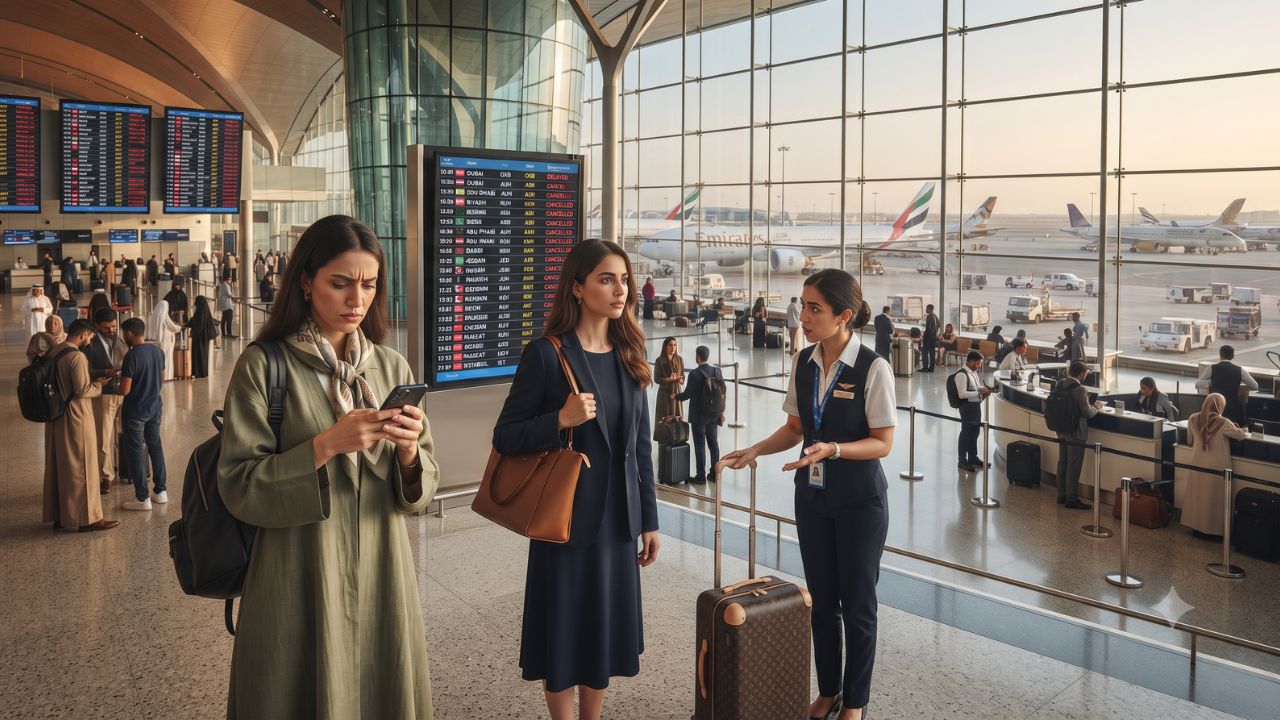
Connecting through Dubai or Abu Dhabi usually feels like stepping into a hyper-efficient clockwork machine, but a single corridor restriction in regional airspace can stall nearly eight hundred flights across the Middle East within hours. Verified real-time flight tracking records compiled on September 25, 2026, at 5:09 PM ET (September 26, 1:10 AM GST) document 747 flight delays and 43 outright cancellations spanning major international transfer points and regional domestic gateways. From the Arabian Gulf to the Anatolian peninsula, changing airspace routing protocols and aircraft rotation bottlenecks have created significant schedule volatility for long-haul connecting passengers.
Because the Middle East serves as the world's primary east-west aviation crossroads—linking Europe, North America, Africa, South Asia, and the Far East—schedule disruptions at hubs like Dubai International (DXB), King Khalid International in Riyadh (RUH), and Istanbul Sabiha Gökçen (SAW) carry compounding consequences for global itineraries.
Major Hub Impact: UAE, Saudi Arabia, and Türkiye Under Operational Strain
The United Arab Emirates absorbed the largest concentration of airfield delays. Dubai International Airport (DXB) logged the highest delay volume in the region, registering 231 delayed departures and arrivals alongside 7 cancellations. At Zayed International Airport in Abu Dhabi (AUH), operations recorded 103 delays and 4 cancellations, creating tight transit windows for passengers transferring between European departures and Indian subcontinent feeder flights.
In Saudi Arabia, the disruption impacted both flagship commercial centers and regional domestic links. King Abdulaziz International Airport in Jeddah (JED)—the primary gateway for Umrah pilgrims and Red Sea commercial traffic—recorded 87 delays and 6 cancellations. In the capital, King Khalid International Airport in Riyadh (RUH) reported 58 delays and 8 cancellations, representing the highest single cancellation tally among evaluated Saudi airfields.
The disruption extended into smaller domestic airports in the southern provinces: Abha Regional Airport (AHB) logged 16 delays and 4 cancellations (a 6 percent cancellation rate for destination arrivals), while Gizan Regional Airport (GIZ) and Najran Domestic Airport (EAM) each reported 3 and 4 cancellations respectively despite reporting zero runway delays, indicating proactive schedule consolidations by domestic carriers.
In Türkiye, holiday corridors and point-to-point networks faced heavy scheduling pressure. Mediterranean resort gateway Antalya Airport (AYT) recorded 129 delays and 1 cancellation, while Istanbul Sabiha Gökçen (SAW) on the city's Asian side reported 79 delays and 2 cancellations. Elsewhere in the Gulf, Seeb International Airport in Muscat, Oman (MCT) recorded 27 delays and 2 cancellations, and Bahrain International Airport (BAH) reported 17 delays and 2 cancellations.
Airline Performance: Turkish Airlines and Flydubai Squeeze
Regional carriers managed varying degrees of schedule disruption. Turkish Airlines recorded the highest gross delay count among all evaluated airlines, logging 182 delayed flights (an 11 percent delay rate) alongside 1 cancellation. In the low-cost sector, Dubai-based Flydubai experienced severe rotation delays, with 107 delayed flights representing a 36 percent delay rate, coupled with 5 cancellations (1 percent).
Saudi Arabia’s national carrier, Saudia, registered 11 cancellations (2 percent cancellation rate) and 44 delays (8 percent). Oman Air maintained relatively stable operations with 10 delays (10 percent) and 2 cancellations (2 percent), while Syrian carrier Fly Cham recorded 2 cancellations and 2 delays, representing a 33 percent cancellation and delay rate on its limited schedule.
Regional aviation guidelines overseen by the General Authority of Civil Aviation in Saudi Arabia and civil aviation bodies across the Gulf emphasize that real-time passenger communication and automated rebooking are mandatory during multi-hub schedule disruptions.
What Makes Middle Eastern Air Transit Different
Transferring through Gulf megahubs involves distinct operational dynamics compared to Western transit airports. Hubs like Dubai and Abu Dhabi operate around massive wave banks—synchronized arrival and departure clusters occurring in early morning (midnight to 3:00 AM) and mid-afternoon windows to optimize global connections.
When an incoming long-haul flight from London or Frankfurt arrives 45 minutes late, connecting passengers face the risk of missing entire outward flight banks bound for Southeast Asia or Australia. Because many onward long-haul destinations are operated only once or twice daily, a missed connection at DXB or AUH often translates into a 12- to 24-hour layover.
Terminal navigation resources published through Dubai Airports highlight that passengers transferring between Terminal 1, Terminal 2, and Terminal 3 must allow dedicated transit intervals, especially when clearing terminal transfer security screening during peak congestion hours.
Visitor Insider Tips
Navigating Middle Eastern flight delays requires strategic planning around terminal lounges, stopover visas, and baggage logistics.
- Buffer Minimum Connection Times (MCT): When booking itineraries connecting through Dubai, Abu Dhabi, or Doha, avoid tight 60-minute layovers. Select flight options offering 2.5 to 4 hours of transit time to insulate your journey against regional airspace delays.
- Accessing Transit Hotels and Lounges: If your flight delay exceeds six hours at Dubai International, explore the airside Dubai International Hotel located inside Terminal 3 concourses A, B, and C. It allows you to sleep and shower without clearing UAE immigration. Independent pay-per-use lounges like Marhaba and Plaza Premium offer comfortable work pods and hot buffets.
- Utilize 96-Hour UAE Transit Visas: If your connection is delayed overnight and you hold an eligible passport, apply for a 96-hour transit visa or utilize visa-on-arrival facilities. Taking the Dubai Metro directly from Terminal 1 or Terminal 3 into Downtown Dubai allows you to visit the Burj Khalifa and Dubai Mall rather than waiting inside crowded terminal concourses.
- Confirm Interline Baggage Transfers: If you are involuntarily rebooked onto an alternative carrier (for example, switching from Flydubai to Emirates or Saudia), verify at the transfer desk that your checked baggage tags have been manually updated in the airline departure control system.
- Monitor Airside Gate Announcements: Gate assignments in large hubs like Istanbul (IST/SAW) and Riyadh can change frequently during delay recovery periods. Check digital display monitors every twenty minutes, as gate-to-gate walks in massive terminals can take up to twenty minutes.
Cultural and Environmental Context
Middle Eastern aviation authorities are heavily investing in sustainable airport infrastructure to mitigate the environmental impact of rapid fleet expansions. Advanced airfield ground-lighting management, single-engine taxiing procedures, and solar-powered terminal operations are being deployed across Gulf gateways.
Strategic frameworks established by the International Air Transport Association encourage regional carriers to adopt optimized flight trajectories that circumvent congested military airspace zones while reducing unnecessary fuel burn during holding patterns. Furthermore, national tourism programs across Saudi Arabia (Vision 2030) and the UAE aim to transform unexpected transit layovers into opportunities for cultural tourism, encouraging international travelers to discover UNESCO heritage sites like Al-Turaif in Diriyah and historic Al Balad in Jeddah.
FAQ: Navigating Middle East Flight Delays 2026
What should I do if I miss my connection in Dubai or Abu Dhabi? Head directly to your operating airline's Transfer Desk. The carrier is responsible for rebooking you onto the next available flight to your ticketed destination and providing meal vouchers for extended delays.
Do Gulf airlines provide free hotels for long layovers? For involuntary transit delays exceeding 8 to 10 hours on single-ticket bookings where no earlier flight exists, full-service carriers like Emirates, Saudia, and Etihad frequently provide complimentary hotel accommodation, meals, and ground transfers.
Can I leave the airport during a 10-hour flight delay? Yes, provided your nationality qualifies for visa-free entry or a transit visa on arrival in the UAE, Saudi Arabia, or Türkiye, and you allow at least three hours to clear security upon return.
Which Middle East airport experienced the highest delays? Dubai International Airport (DXB) recorded the highest delay volume with 231 delayed flights, followed by Turkish Airlines with 182 delays across its network.
Whether watching the sunrise over the Riyadh desert or sipping cardamom coffee during a Dubai layover, proactive transit planning turns unexpected airport delays into seamless travel adventures.
Related Travel Guides
Disclaimer
This article is for informational and educational purposes only. It does not constitute legal, financial, or professional advice. While we strive to provide accurate and up-to-date information, travel policies, regulations, and conditions change rapidly. Always verify information with official sources before making travel decisions. Nomad Lawyer makes no representations about the accuracy, reliability, completeness, or suitability of the information provided. Readers should consult qualified professionals for advice specific to their circumstances. The views expressed in this article are those of the author and do not necessarily reflect the views of Nomad Lawyer.
Naina Thakur
Contributor & Travel Specialist
Travel enthusiast and legal writer covering visa regulations, responsible tourism, and cultural journeys across global destinations.
Learn more about our team →