MIA Hospitality Management Expands Florida Portfolio to Seven Hotels and Third-Party Growth in 2026

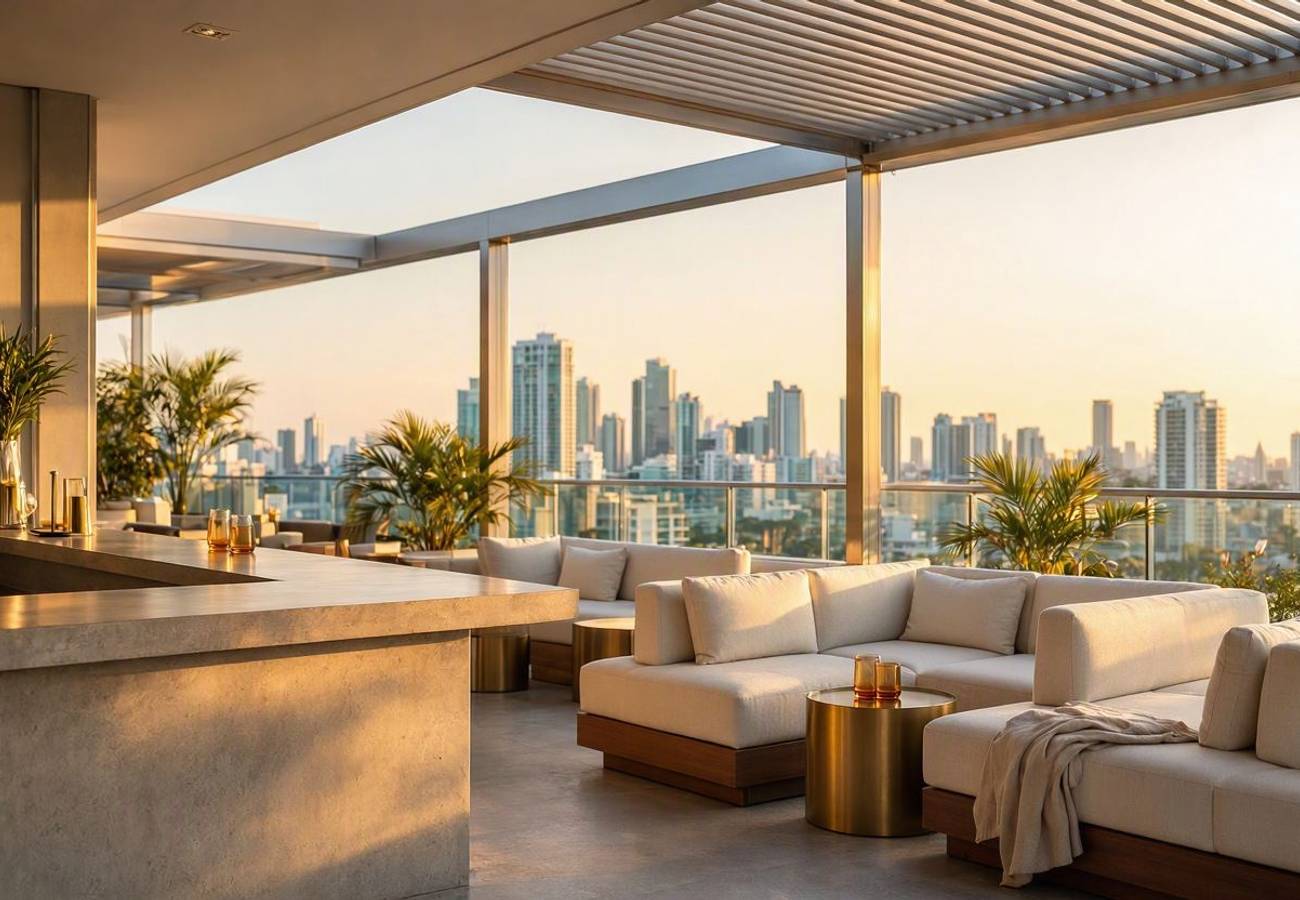
Image generated by AI
Most hotel management firms wait years to scale, but MIA Hospitality Management (MIAHM) has secured over 1,000 rooms and seven distinct properties in just 12 months. Founded in September 2025 by Robert Finvarb and Brian Vujnovic, this Miami-based entity is rewriting the playbook on how owner-operators bridge the gap between high-level investment goals and the gritty reality of daily hotel operations.
The Rise of the Owner-Operator Model in Florida
The hospitality sector in South Florida is shifting toward a more integrated approach to asset management. MIAHM has spent its inaugural year implementing a system where the people managing the guest experience are directly aligned with the financial objectives of the owners. This isn't just about keeping rooms clean; it is about treating every square foot of a property as a revenue-generating asset.
With a leadership team boasting 75 years of collective experience, the firm has previously managed 20 hotels across seven states and Washington, D.C. This deep bench of expertise allowed them to rapidly gain approved franchise management status with two of the world's largest hotel chains: Marriott International and Hyatt. By aligning with these giants, MIAHM can apply a standardized approach to commercial performance and guest service across a diverse set of brands.
The current portfolio is a strategic mix of lifestyle, business, and airport hotels, ensuring they have a footprint in multiple Florida markets. Their current holdings include:
- AC Hotel Miami Brickell
- Element by Westin Miami Brickell
- Hyatt Centric South Beach
- Courtyard Miami Coconut Grove
- SpringHill Suites Miami Downtown Medical District
- Courtyard by Marriott Fort Lauderdale Airport & Cruise Port
- Hyatt Place Melbourne Airport
Supporting these properties is a dedicated team of more than 250 associates and a centralized leadership structure that oversees asset-level decision-making.
Redefining the Airport Hotel Experience
A pivotal moment for the company occurred on July 1, 2026, with the addition of the Hyatt Place Melbourne Airport. This 143-room property is significant because it marks MIAHM’s first third-party management agreement. Until this point, the firm primarily managed hotels owned by the founders' affiliates. Moving into third-party management proves that their "owner-operator" philosophy is scalable and attractive to external investors.
The Melbourne Airport project also includes the Runway Rooftop Bar & Grill. For MIAHM, food and beverage (F&B) is not a secondary amenity—it is a core profit center. Drawing on their history with high-profile rooftop venues like Rosa Sky in Miami and Charlie Park in Tallahassee, the firm is repositioning Runway to attract the local Space Coast community.
Instead of relying solely on tired travelers, the strategy involves:
- Refreshing the menu to align with local tastes.
- Overhauling the wine and cocktail programs.
- Implementing weekly and monthly event programming to create a neighborhood destination.
Integrating Design with Operations
One of the most distinct aspects of MIAHM’s growth is their move into pre-opening advisory services. Most management companies are brought in after a building is finished, often discovering too late that the kitchen is too small or the guest flow is inefficient. MIAHM is flipping this script by collaborating with development teams during the design phase.
By assessing how guestrooms, public areas, and back-of-house spaces function before the first brick is laid, they can optimize staffing requirements and revenue opportunities. This operational foresight is currently being applied to a new full-service lifestyle hotel in Florida. This upcoming property will feature a rooftop restaurant and a separate rooftop bar and lounge, designed from the ground up for maximum operational efficiency.
MIA Hospitality Management's expansion in Florida is a significant development in the state's tourism industry, with the company now managing seven hotels. According to the Florida Tourism Industry Marketing Corporation, the state welcomed over 130 million visitors in 2022, generating a record $94 billion in visitor spending. This growth is expected to continue, with MIA Hospitality Management's expanded portfolio poised to capitalize on the increasing demand for accommodations.
Visitor Insider Tips
If you are staying at one of the MIAHM-managed properties in South Florida, keep these local insights in mind to enhance your trip:
Where to Base Yourself: For those wanting the high-energy, urban vibe of Miami, the Brickell area (home to the AC and Element hotels) is the financial heart of the city and far more walkable than the suburbs. For a classic beach experience, South Beach remains the gold standard, but the Hyatt Centric offers a more sophisticated alternative to the party-centric hostels nearby.
Dining Secrets: When visiting the Runway Rooftop in Melbourne, time your visit for the "golden hour." The Space Coast offers unique vistas, and the venue is specifically designed to capture the local atmosphere. Avoid the standard hotel breakfast; instead, seek out the local cafes in the Coconut Grove area near the Courtyard property for a more authentic Miami flavor.
Transport Hacks: If you are staying at the Fort Lauderdale Airport & Cruise Port location, utilize the hotel's proximity to the port to avoid expensive private shuttles. For those in Miami, use the Metromover in Brickell—it is free and provides a great way to see the skyline without fighting traffic.
Cultural and Environmental Context
The rapid expansion of luxury and mid-scale hotels in Florida comes at a time when the region is grappling with extreme weather patterns and rising sea levels. The shift toward "smart" building and efficient operations—as seen in MIAHM's pre-opening advisory model—is increasingly necessary. When hotels are designed with better service flows and energy-efficient back-of-house layouts, it reduces the overall carbon footprint of the property.
Furthermore, the move to integrate hotel bars and restaurants with the local community (rather than keeping them as "tourist bubbles") helps sustain local economies. By encouraging Space Coast residents to visit Runway Rooftop, MIAHM is fostering a symbiotic relationship between the hospitality industry and the permanent population, reducing the seasonal volatility that often plagues Florida tourism.
FAQ: Visiting Florida Hotels 2026
What is the best time to visit South Florida? The peak season runs from December to April when the weather is mild. For better rates and fewer crowds, visit during the "shoulder" months of May or October, though be mindful of the Atlantic hurricane season.
How do I get from Miami International Airport to the Brickell hotels? The most efficient way is via a ride-share service (Uber/Lyft), which typically takes 15-20 minutes. Alternatively, the Miami Metrorail can take you close to the Brickell district for a lower cost.
Are these hotels suitable for business travelers? Yes. The portfolio, particularly the AC Hotel and Element in Brickell, is specifically designed for the corporate traveler, offering high-speed internet, ergonomic workspaces, and proximity to the financial district.
Is South Beach safe for solo travelers? Generally, yes. South Beach is a highly trafficked tourist area with a strong police presence. Stick to well-lit main streets like Ocean Drive and Collins Avenue, and use official transport apps for late-night travel.
The future of Florida hospitality is no longer just about the room—it is about the strategic marriage of asset value and the guest experience.
Related Travel Guides
This article is for informational purposes. Flight routes, passenger regulations, visa rules, and transit advisories are subject to change by airlines and aviation authorities. Readers are advised to verify schedules and travel documentation with relevant carriers and border agencies before departure.
Related Stories

Hyatt Leverages Spotnana Cloud Infrastructure to Automate SME Corporate Travel Loyalty in 2026
Hyatt Place Vithalapur Strengthens Leadership Team With Four Key Appointments to Accelerate Gujarat Hospitality Growth