
Melbourne Launches Next-Generation G-Class Tram Fleet to Modernize Transit
Melbourne begins modernizing its iconic tram network with the first next-generation G-Class Trams, built locally by Alstom in Dandenong.

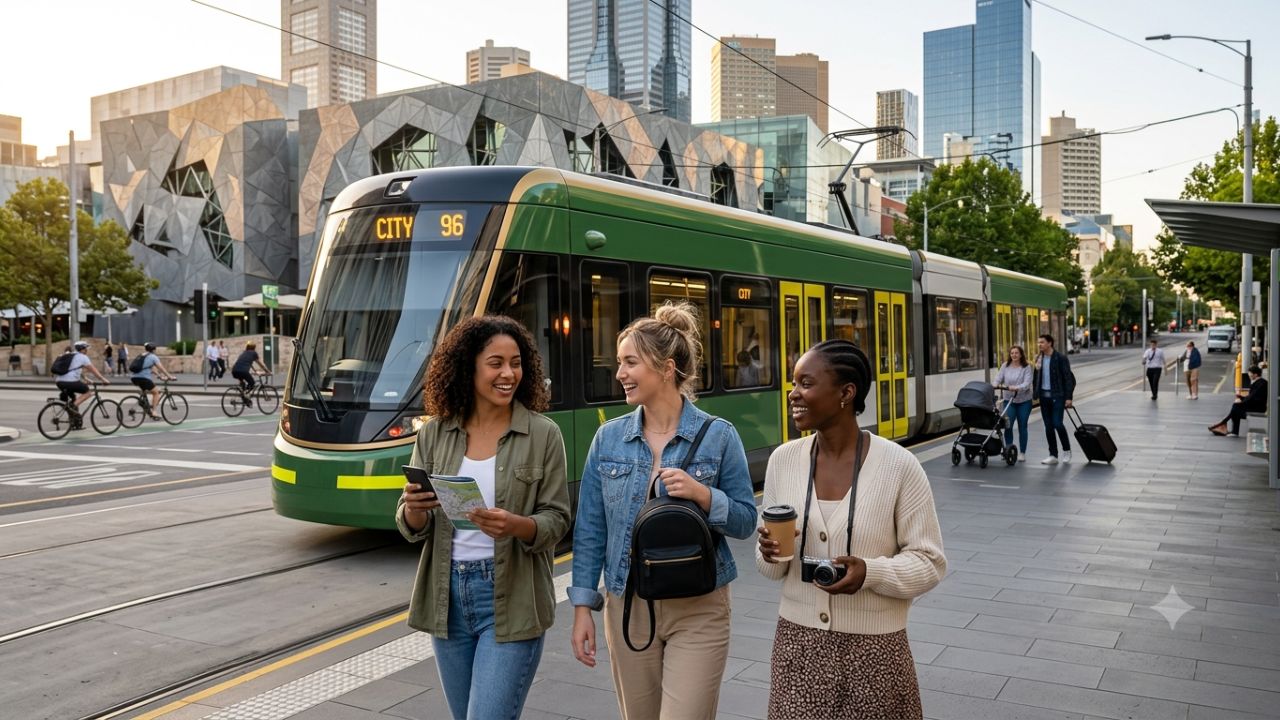
Image generated by AI
The Victorian Government has initiated a major public transport modernization program with the rollout of its next-generation G-Class Tram fleet in Melbourne. Backed by a €700 million contract for 100 new low-floor trams, the project enhances accessibility and energy efficiency across the world's largest tram network.
The urban transit system of Melbourne, Victoria, is undergoing a significant transformation designed to improve passenger capacity and accessibility. As cities globally seek to reduce vehicle emissions and support sustainable tourism, modernizing heritage rail assets has become a key priority. Rather than relying on imported rolling stock, local authorities are combining transport upgrades with regional manufacturing programs to support engineering skills and industrial growth.
For international visitors and daily commuters, this modernization program directly shapes how they navigate the city. By upgrading existing routes, improving passenger information systems, and introducing low-floor access, the project ensures that Melbourne remains a competitive and accessible travel destination.
The Local Trend Revealed
Conceived under a major contract initially awarded in 2022 to Alstom, the modernization program took a major step in July 2026 with the delivery of the first next-generation G-Class Trams. The project involves the design, manufacturing, and maintenance of 100 new trams, supported by a dedicated maintenance facility in the Melbourne suburb of Maidstone.
The Victorian Government has identified the program as the largest investment in locally manufactured trams in Australian history, supported by strong local content requirements. The fleet is being built at Alstom's manufacturing facility in Dandenong, located in outer Melbourne, supporting up to 1,900 local jobs and strengthening Victoria's regional engineering supply chain.
The Melbourne tram network is the largest in the world, spanning approximately 250 km of double track, utilizing almost 500 trams, and carrying over a million people annually. The introduction of the G-Class trams, which can accommodate more than 150 passengers each, increases network capacity. Designed with low-floor access, additional double doors, and wider internal corridors, the new fleet responds to feedback gathered from more than 1,000 passenger representatives, drivers, and disability organizations.
Key G-Class Tram Fleet Specifications
The table below outlines the primary specifications and economic indicators of Melbourne’s G-Class tram rollout:
| Project Element | Specification / Impact Details |
|---|---|
| Operating Hub | Melbourne, Victoria, Australia |
| New Tram Model | Next-Generation G-Class Tram |
| Total Fleet Order | 100 trams |
| Primary Manufacturer | Alstom Dandenong, Victoria |
| Estimated Contract Value | Around €700 million |
| Passenger Capacity | More than 150 passengers per tram |
| Local Employment Supported | Up to 1,900 local engineering and manufacturing jobs |
| Maintenance Hub | Dedicated depot at Maidstone, Melbourne |
| Network Size Served | Approximately 250 km of double track with almost 500 trams |
| Accessibility Upgrades | Low-floor design, dedicated mobility spaces, wider doors, and corridors |
| Energy Efficiency Feature | Integrated regenerative braking technology |
Cultural & Environmental Value (Information Gain & Experience)
For the visitor, the G-Class tram program represents a significant step in reducing the environmental footprint of city travel. The new trams utilize regenerative braking technology, which recovers energy during deceleration and feeds it back into the power grid, reducing overall energy consumption. Choosing public rail over private cars is a highly effective way to lower carbon emissions during urban travel.
Melbourne’s trams are also an essential part of the city's cultural identity, linking destinations such as Federation Square, the central business district (CBD), sporting precincts, shopping streets, cultural institutions, and waterfront areas. Because the G-Class fleet is manufactured locally in Dandenong, the project helps preserve local engineering expertise. This integrated approach ensures that transport spending directly benefits local communities and supports a sustainable urban environment.
Visitor Insider Tips
To help you navigate Melbourne's tram network and travel like a local, follow these practical tips:
- Free Tram Zone Rules: Travel on trams within the designated Melbourne CBD Free Tram Zone (which extends from Flinders Street to Queen Victoria Market) is completely free. You do not need to touch on or off with a Myki card if your journey starts and ends within this zone.
- Road Safety & Tram Stops: If driving in Melbourne, you must stop behind a tram when it stops at a roadside stop and opens its doors. Do not drive past a tram with open doors, as passengers step directly onto the road.
- Local Culinary Specialties Near Tram Routes:
- In the CBD: Take Route 96 to Bourke Street and try a flat white coffee at a hidden laneway cafe.
- Near South Melbourne Market: Hop off Route 96 to sample traditional Dim Sims (large steamed or fried dumplings).
- In Fitzroy: Take Route 86 to Brunswick Street and try a fresh almond croissant from local bakeries.
- Under-the-Radar Route: Ride the historic City Circle Tram (Route 35). It is free to ride, operates in a loop around the CBD, and offers audio commentary about Melbourne's historic landmarks.
- Myki Card Requirements: For travel outside the Free Tram Zone, purchase a reusable Myki card at train stations or local convenience stores. Touch on at the card reader inside the tram when boarding, but do not touch off when disembarking a tram (unless traveling entirely within Zone 2).
Tourism Outlook
The rollout of Melbourne's Next-Generation G-Class tram fleet is setting a new standard for sustainable urban transport in Australia. By upgrading existing heritage infrastructure and prioritizing low-floor accessibility, the city is well-positioned to maintain its position as a leading transit destination.
Over the coming years, maintaining service frequency, expanding low-floor platform stops, and integrating ticketing systems will remain critical. By demonstrating how transport investments can support both local manufacturing and passenger comfort, Melbourne show that a modern tram network is the most effective way to build a sustainable, inclusive, and competitive visitor economy.
Internal Connection
Disclaimer
This article is for informational and educational purposes only. It does not constitute legal, financial, or professional advice. While we strive to provide accurate and up-to-date information, travel policies, regulations, and conditions change rapidly. Always verify information with official sources before making travel decisions. Nomad Lawyer makes no representations about the accuracy, reliability, completeness, or suitability of the information provided. Readers should consult qualified professionals for advice specific to their circumstances. The views expressed in this article are those of the author and do not necessarily reflect the views of Nomad Lawyer.
Kunal K Choudhary
Co-Founder & Contributor
A passionate traveller and tech enthusiast. Kunal contributes to the vision and growth of Nomad Lawyer, bringing fresh perspectives and driving the community forward.
Learn more about our team →