
How Meghalaya Is Reviving Tourism Through the Homestay Concept
Meghalaya has embraced an innovative tourism strategy that is transforming local communities and enriching visitor experiences: the homestay concept. Stay with local families, experience indigenous traditions, and support sustainable rural economies.

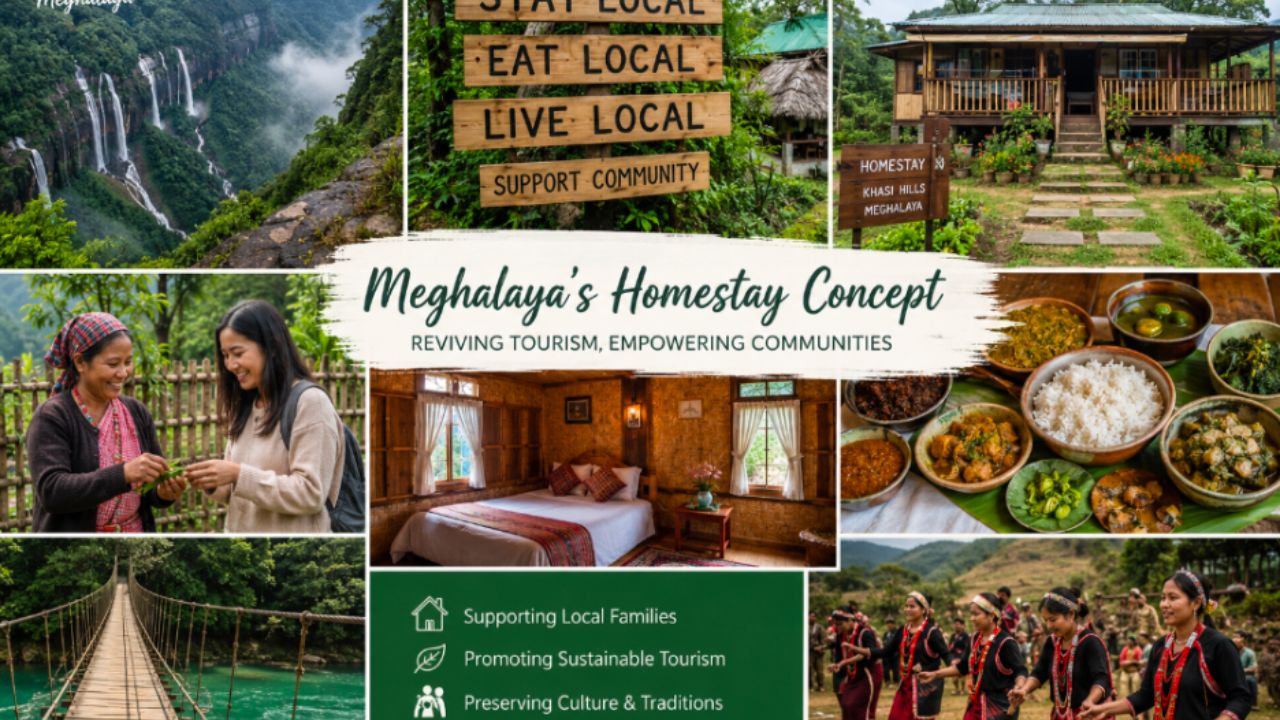
Image generated by AI
How Meghalaya Is Reviving Tourism Through the Homestay Concept
Nestled among rolling hills, cascading waterfalls, living root bridges, and some of the wettest places on Earth, Meghalaya has long been one of India's most captivating travel destinations. In recent years, however, the state has embraced an innovative tourism strategy that is transforming local communities and enriching visitor experiences: the homestay concept.
As travelers increasingly seek authentic cultural encounters over conventional hotel stays, Meghalaya's homestay movement is helping revive tourism while creating sustainable economic opportunities for local residents.
The Rise of Homestay Tourism in Meghalaya
Unlike traditional hotels and resorts, homestays offer travelers the opportunity to stay with local families, experience indigenous traditions, and gain deeper insights into everyday life. Across villages in Khasi, Jaintia, and Garo Hills, homeowners are opening their doors to tourists, turning spare rooms into comfortable accommodations.
This shift has enabled tourism benefits to reach rural communities that previously saw little direct economic gain from visitor spending.
Creating Authentic Travel Experiences
Modern travelers are looking for more than sightseeing—they want meaningful experiences. Meghalaya's homestays provide opportunities to:
- Learn local customs and traditions
- Taste authentic Khasi, Jaintia, and Garo cuisine
- Participate in cultural festivals
- Explore hidden natural attractions with local guides
- Understand village life and sustainable living practices
These experiences create stronger connections between visitors and destinations while encouraging longer stays.
Empowering Local Communities
One of the biggest advantages of the homestay model is community empowerment. Tourism revenue flows directly to local families rather than large hospitality chains.
Homestays generate income through:
- Accommodation services
- Home-cooked meals
- Guided tours
- Transportation assistance
- Handicraft and souvenir sales
This additional income supports education, healthcare, and infrastructure development within rural communities.
Promoting Sustainable Tourism
Meghalaya's tourism authorities have actively promoted sustainable and responsible travel practices. Homestays naturally align with these goals by minimizing environmental impact and encouraging visitors to respect local ecosystems.
Many homestays embrace eco-friendly initiatives such as:
- Rainwater harvesting
- Waste management programs
- Organic farming
- Locally sourced food
- Renewable energy solutions
These efforts help preserve Meghalaya's pristine landscapes while supporting tourism growth.
Bringing Tourists Beyond Popular Destinations
While destinations like Shillong, Cherrapunji, and Dawki continue to attract visitors, homestay tourism is encouraging exploration of lesser-known villages and natural attractions.
Travelers are discovering hidden gems such as:
- Traditional Khasi villages
- Remote waterfalls
- Indigenous cultural centers
- Scenic trekking routes
- Rural farming communities
This diversification reduces pressure on overcrowded tourist hotspots while spreading economic benefits across the state.
Strengthening Meghalaya's Tourism Recovery
Following global travel disruptions, homestays have played a crucial role in Meghalaya's tourism recovery. Many travelers now prefer smaller, personalized accommodations that offer privacy, safety, and meaningful local interactions.
The flexibility and affordability of homestays have made them particularly attractive to:
- Solo travelers
- Backpackers
- Families
- Nature enthusiasts
- International tourists seeking authentic experiences
Government Support and Infrastructure Development
The Meghalaya government has recognized the potential of homestay tourism and continues to support the sector through training programs, financial assistance, and marketing initiatives.
These efforts focus on:
- Hospitality training
- Digital marketing support
- Infrastructure improvements
- Quality standards
- Sustainable tourism practices
Such initiatives are helping raise service standards while preserving local cultural identity.
The Future of Tourism in Meghalaya
As experiential travel continues to grow globally, Meghalaya's homestay model offers a blueprint for sustainable tourism development. By combining cultural preservation, environmental responsibility, and community participation, the state is creating a tourism ecosystem that benefits both visitors and residents.
The success of homestays demonstrates that tourism can be more than an economic activity—it can be a powerful tool for cultural exchange, rural development, and environmental conservation.
Conclusion
Meghalaya's revival through the homestay concept is a remarkable example of community-based tourism done right. By welcoming visitors into their homes and sharing their traditions, local families are transforming the state's tourism landscape while preserving its unique cultural heritage.
For travelers seeking authentic experiences, breathtaking scenery, and genuine hospitality, Meghalaya's homestays offer a journey that goes far beyond ordinary tourism.
A Brief Opinion by NomadLawyer
"Meghalaya's homestay revolution proves that tourism thrives when local communities become stakeholders rather than spectators. By opening their homes to travelers, residents are preserving cultural heritage, generating sustainable income, and offering authentic experiences that modern tourists increasingly seek. The state's success demonstrates that community-driven tourism can be both economically rewarding and environmentally responsible, creating a model that many emerging destinations around the world can learn from."
Disclaimer
This article is for informational and educational purposes only. It does not constitute legal, financial, or professional advice. While we strive to provide accurate and up-to-date information, travel policies, regulations, and conditions change rapidly. Always verify information with official sources before making travel decisions. Nomad Lawyer makes no representations about the accuracy, reliability, completeness, or suitability of the information provided. Readers should consult qualified professionals for advice specific to their circumstances. The views expressed in this article are those of the author and do not necessarily reflect the views of Nomad Lawyer.
Kunal K Choudhary
Co-Founder & Contributor
A passionate traveller and tech enthusiast. Kunal contributes to the vision and growth of Nomad Lawyer, bringing fresh perspectives and driving the community forward.
Learn more about our team →