
Medellín’s Booming Tourism Magic Takes Over The World-Famous Feria De Las Flores Festival Dream
Medellín’s Booming Tourism Magic Takes Over The World-Famous Feria De Las Flores Festival Dream. Latest travel news, updates, and expert analysis.

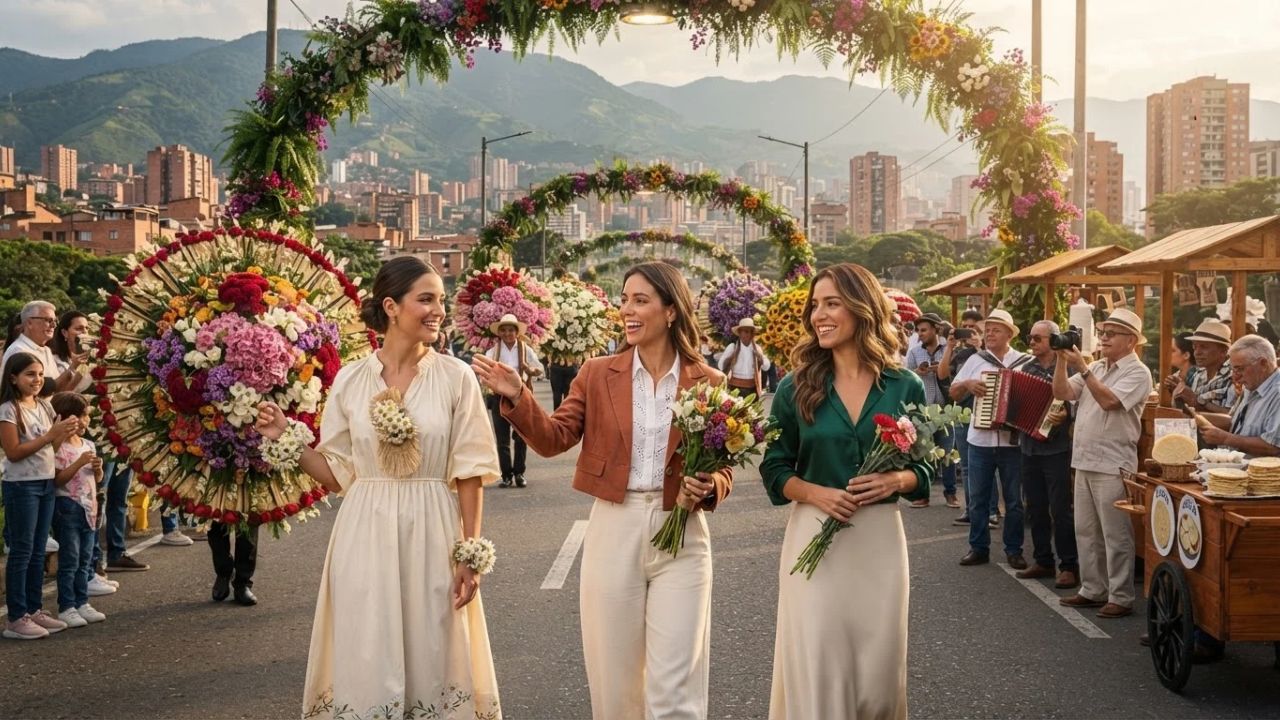
Image generated by AI
Weighing up to fifty pounds and strapped directly across the foreheads of 535 generational mountain farmers, the monumental floral crowns of the Desfile de Silleteros anchor a festival that draws over two million attendees and generates a combined $68 million in economic impact for the Aburrá Valley. Between August 1 and August 10, the iconic Feria de las Flores transforms the City of Eternal Spring into an open-air theater of botanical mastery, where ancestral peasant tradition merges seamlessly with cutting-edge social urbanism. Far from a superficial tourist parade, the gathering mobilizes over 320,000 visitors, distributing cultural programming and economic vitality across every single one of Medellín's sixteen communes and five rural townships.
Petals, Parades, and Economic Multipliers: The Scale of Medellín's Floral Renaissance
The ten-day cultural calendar of the Feria de las Flores represents one of South America's most sophisticated integrations of regional heritage and urban logistics. Official data from Migración Colombia verifies that the metropolitan district welcomed more than 320,000 visitors during the celebration window, including approximately 60,000 international travelers arriving from overseas and over 260,000 domestic travelers from across the republic. Ground transit terminals operated by Terminales Medellín handled between 250,000 and 260,000 incoming passengers aboard intercity bus networks, while long-haul flights into José María Córdova International Airport in Rionegro maintained steady international arrivals.
This visitor influx translated into exceptional lodging performance across the metropolitan area. The Colombian Hotel and Tourism Association (Cotelco) documented citywide hotel occupancy fluctuating consistently between 77.0% and 81.0% throughout the ten days. Boutique properties nestled in the hills of El Poblado and historic guesthouses in the leafy residential avenues of Laureles reached near-capacity bookings weeks before opening ceremonies commenced.
The financial ripple effect of this festival was substantial. Municipal evaluations conducted by the Secretariat of Economic Development confirmed that the flower festival generated an estimated USD 50 million in direct economic output, expanding to a massive USD 68 million when coordinated alongside the concurrent Colombiamoda fashion exposition week. This synchronized scheduling created a powerful commercial multiplier for family-run restaurants, artisan workshops, and street-level transportation. Employment metrics expanded in tandem, generating between 15,750 and 16,000 direct and indirect jobs across hospitality, gastronomy, and stage production. District authorities reinforced this creative ecosystem by allocating municipal artist stimulus grants that employed over 2,200 local musicians, dancers, and actors across 21 dedicated public performance stages.
The emotional heart of the celebration culminated in the historic 68th edition of the Desfile de Silleteros, where 535 traditional flower growers from the high-altitude township of Santa Elena carried towering wooden back-frames loaded with thousands of fresh blooms down central city thoroughfares. To support these generational farming families, the District Administration invested $336 million COP directly into attire renewal and heritage preservation programs. Spectator infrastructure matched this civic scale: municipal engineers constructed 44 grandstands seating up to 22,000 people per major procession, reserving more than 50% of the seats for free public access alongside specialized platforms for guests with reduced mobility.
Complementing the botanical displays, the Desfile de Autos Clásicos y Antiguos showcased 390 meticulously preserved vintage automobiles traversing a 17-kilometer route under the theme "Entre motores y flores," while events like the National Trova Festival finals, the Desfile de Chivas y Flores, and the regional food fair at Fondas de Mi Tierra energized neighborhood squares throughout the valley.
What Makes the Silletero Tradition Unique in the Americas
The silletero tradition is rooted in the steep, roadless topography of the central Colombian Andes. Centuries before modern transit existed, campesinos living in the cloud forest hamlet of Santa Elena at 2,200 meters elevation constructed wooden chairs and frames called silletas. Strapped across the forehead with a thick leather tumpline (mecapal or tapapescuezo), these frames were used to carry agricultural produce, medical supplies, and even children down precipitous mountain paths into the valley marketplace of Medellín.
Over decades, this grueling physical necessity evolved into an artistic medium recognized as an essential pillar of Colombian national heritage by UNESCO Intangible Cultural Heritage registers. Today, silleteros construct elaborate arrangements across four distinct styles: the Silleta Tradicional, preserving the humble field-to-market harvest of wild flowers; the Silleta Monumental, towering up to ten feet high; the Silleta Emblemática, featuring intricate portraits and civic messages; and the Silleta Comercial, displaying institutional crests. To witness a 70-year-old farmer lift a 50-pound floral disc on their back and smile through a three-mile march is to understand the profound resilience and familial pride of Antioquia.
Visitor Insider Tips: Navigating Medellín During Festival Week
- Parade Viewing and Grandstand Strategy: Major parade routes along Avenida del Río fill with spectators by 6:00 AM on parade days. If you do not possess a pre-booked grandstand pass, arrive early with sun protection, a portable camp stool, and plenty of water. The most intimate experience occurs the night before the main parade: travel up to the rural veredas of Santa Elena to walk from farm to farm, watching families assemble their final blooms under string lights while sipping hot aguapanela with local farmers.
- Transit Mobility and Traffic Navigation: Central road closures during festival week create severe vehicular gridlock. Skip street taxis and ride the clean, efficient Metro de Medellín rail system, which links directly to key parade zones. To reach Santa Elena, take the metro to Acevedo station, transfer to the Metrocable Line K, and take the scenic high-altitude Line L cable car sailing above the eucalyptus canopy straight into Parque Arví.
- Where to Base Your Stay: Stay in Laureles for a walkable, authentic neighborhood atmosphere filled with independent bakeries and leafy residential plazas. Choose El Poblado if international gastronomy and upscale boutique lodging are priorities, or consider booking a rural eco-lodge in Santa Elena for crisp mountain air and immediate access to working flower fincas.
- Regional Culinary Highlights: Festival days require hearty mountain fuel. Order a traditional bandeja paisa loaded with red beans, ground beef, crispy pork chicharrón, fried egg, sweet plantain, and avocado. In the afternoons, look for street carts selling hot arepas de chócolo (sweet yellow corn cakes slathered with salted fresh cheese), and finish dinner with a glass of anise-flavored aguardiente Antioqueño and a bowl of sweet mazamorra corn porridge.
Decentralized Communes and the Living Ecology of Antioquia
A defining operational achievement of Medellín’s modern festival management is decentralization. Rather than confining celebration to affluent tourist districts, municipal planners organized over 110 public cultural gatherings across all 16 urban comunas and five rural corregimientos—including Santa Elena, San Cristóbal, San Antonio de Prado, Altavista, and San Sebastián de Palmitas.
This democratic approach ensures that the festival's economic and cultural rewards reach every stratum of society. Open-air stages in neighborhoods like Comuna 13 and Manrique allow local youth troupes to perform alongside established folk orchestras, turning communal parks into dynamic cultural platforms.
At the same time, the festival places intense focus on botanical conservation across the slopes of Santa Elena. The cold, damp climate of the high cordillera provides ideal growing conditions for native orchids, hydrangeas, gladiolas, and carnations. Generational flower farmers are adopting agroecological cultivation techniques, minimizing chemical fertilizers to preserve the headwaters of mountain streams that feed the valley below. By backing the generational families of Santa Elena, the city ensures that rapid urban modernization does not sever Medellín from the fertile soil that first gave it life, as highlighted on Colombia Travel.
FAQ: Experiencing Medellín's Feria de las Flores
When is the best time to book flights and hotels for the flower festival?
Book accommodations four to six months in advance. City hotel occupancy exceeds 80%, with boutique hotels in El Poblado and Laureles filling rapidly once official municipal festival dates are published.
Do visitors need tickets to watch the Desfile de Silleteros?
No. More than half of the viewing areas and street barriers along the parade route are completely free and open to the public on a first-come, first-served basis.
How do travelers reach the flower farms in Santa Elena?
Take the Medellín Metro to Acevedo station, board the Metrocable to Santo Domingo, and transfer to the Arví tourist cable car, which delivers passengers directly to the entrance of Santa Elena's mountain trail network.
Is Medellín safe for independent travelers during the festival?
Yes, provided visitors exercise standard urban awareness, hold mobile phones discreetly in dense crowds, avoid unverified night street taxis, and utilize official transit apps or metro lines.
When the final accordion chord fades and the scent of crushed petals lingers on the evening breeze, Medellín reminds the world that from the deepest soil of tradition blooms the brightest future.
Related Travel Guides
- Colombia Travel Experiences Are Captivating Modern Travelers Worldwide With Soul-Stirring Biodiversity And Unmatched Cultural Warmth
- São Paulo, Bogotá and Lima Show How Gastronomy Is Becoming a Major Competitive Force in Latin American Tourism
- Cartagena and Florianópolis Lead the Americas' Fastest-Growing Tourist Cities as Secondary Metropoles Reshape Regional Travel in 2026
Disclaimer
This article is for informational and educational purposes only. It does not constitute legal, financial, or professional advice. While we strive to provide accurate and up-to-date information, travel policies, regulations, and conditions change rapidly. Always verify information with official sources before making travel decisions. Nomad Lawyer makes no representations about the accuracy, reliability, completeness, or suitability of the information provided. Readers should consult qualified professionals for advice specific to their circumstances. The views expressed in this article are those of the author and do not necessarily reflect the views of Nomad Lawyer.
Raushan Kumar
Founder & Lead Developer
Full-stack developer with 11+ years of experience and a passionate traveller. Raushan built Nomad Lawyer from the ground up with a vision to create the best travel and law experience on the web.
Learn more about our team →