
Cartagena and Florianópolis Lead the Americas' Fastest-Growing Tourist Cities as Secondary Metropoles Reshape Regional Travel in 2026
Cartagena and Florianópolis Lead the Americas' Fastest-Growing Tourist Cities as Secondary Metropoles Reshape Regional Travel in 2026. Latest travel news, updates, and expert analysis.

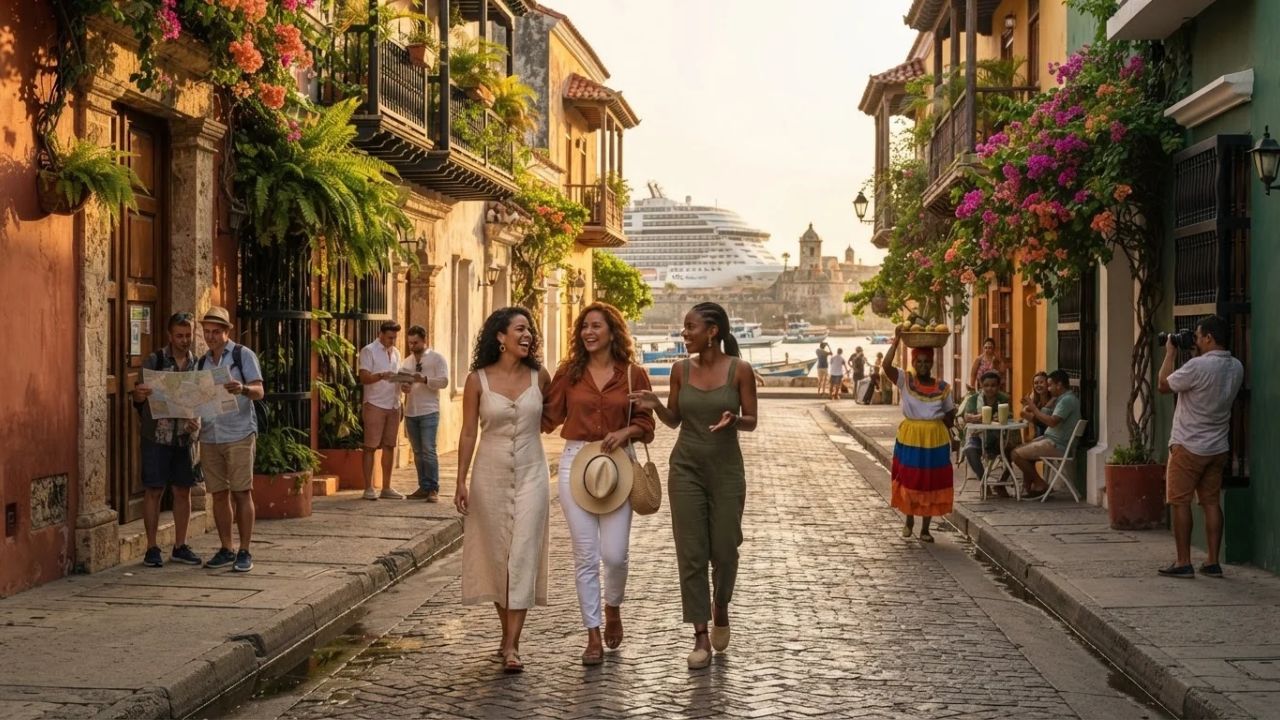
While international arrivals across traditional South American capitals have stabilized, Florianópolis quietly expanded its overseas airport traffic by up to 580% compared with 2022, cracking the one-million international passenger mark in 2025. At the exact same time, along Colombia's Caribbean coastline, Cartagena recorded 7.5 million air terminal passengers in 2024—a 16.5% annual jump—anchored by 547 weekly scheduled flights and 21 direct routes. Travel across the Americas is breaking free from predictable mega-hub bottlenecks, redirecting capital, expanded air routes, and inquisitive travelers toward dynamic coastal cities and ambitious regional centers.
The Mid-Size Metropoles Shifting Pan-American Travel Patterns
The continental map of traveler movement is undergoing an unmistakable decentralization. Rather than funneling exclusively into historic gateways, international journeys increasingly terminate in mid-sized urban centers where infrastructure, hospitality development, and authentic community life align. In a comprehensive assessment of twelve key destinations across the Americas—evaluating visitor demand acceleration (25%), hotel project pipelines (20%), aviation capacity (20%), global destination awareness (15%), capital investment confidence (10%), and regional cultural programming (10%)—momentum has tilted decisively toward cities offering direct access and distinct local identities.
This shift is backed by substantial physical construction. Across Latin America, the hotel development pipeline reached 759 projects and 111,340 rooms by the end of the second quarter of 2026. Of these, 284 properties are already under active construction, with another 172 scheduled to break ground within twelve months. Mexico City leads the urban pipeline with 25 projects totaling 2,737 rooms—adjusting from an earlier snapshot of 29 projects and 3,290 rooms—sustained by 15.5 million hotel arrivals between October 2024 and September 2025 that drove roughly 157 billion pesos in visitor spending (a 16% rise) and pushed July 2025 hotel occupancy to 70%, up from 63.2% in July 2024. Lima follows closely with 18 hotel builds encompassing 2,402 rooms, reinforced by Jorge Chávez International Airport handling 13.73 million arriving passengers in 2025, an increase of 5.4% year over year and 8% above pre-pandemic 2019 levels.
Yet the most dramatic visitor acceleration belongs to regional powerhouses that have unlocked independent international connections. Medellín welcomed 954,600 tourists during the first half of 2025, marking a 12.4% year-over-year increase, with foreign arrivals climbing 11.8% to 546,000. Over the decade spanning 2014 to 2024, more than 10.18 million border crossings were registered through José María Córdova International Airport—a 234.9% ten-year surge. The United States supplied 310,517 travelers in 2025, alongside 152,373 from Panama, with significant visitor volumes arriving from the Dominican Republic, Mexico, and Peru.
Mature northern gateways are matching this momentum through civic events and cross-border commercial appeal. Montréal recorded 11.8 million visitors in 2025, representing 7.3% overall growth, propelled by a 10% surge in domestic Canadian travelers and a 2% rise in overseas guests that offset a 5% dip in US cross-border arrivals. Digital interest reflected this physical surge, with the city's official tourism platform logging 11.8 million online visits, up 14.5%. Corporate gatherings added decisive economic weight: Montréal hosted 477 business events attracting over one million delegates, generating C$438 million in economic impact, while Montréal International guided 54 foreign direct investments worth C$2.6 billion that created or retained 3,720 jobs. Trudeau Airport handled 21.5 million flyers, while hotel room inventory rose 4%. Across the country, Vancouver welcomed 11.3 million overnight visitors generating C$8.8 billion in tourism receipts, while Vancouver International processed 26 million travelers, up 2.7% year on year.
Further south, seasonal cultural engines are producing extraordinary economic concentration. Recife’s 2026 Carnival mobilized over 3.7 million participants, generating R$2.8 billion in economic activity, driving hotel occupancy to 97%, and pushing 500,000 passengers through its airport terminal during the festivities; the airport closed 2025 with 9.94 million total travelers, rising 3.59% over 2024 and 14.05% above 2019. Curitiba established a similar model through its 2025 Christmas celebration, attracting 3.09 million spectators (up 35%) and 469,800 visiting tourists, yielding R$722 million in local spending, an 80% jump. Concurrently, Argentina welcomed 3.12 million overseas arrivals in the first half of 2026, with non-bordering nations generating a 25-year record of 1.43 million visitors led by the US, Spain, and Peru, while national hotel stays reached 4.0 million in November 2025 (+5.3%), with foreign overnight stays rising 6.8%. Together with cultural cornerstones like Salvador and Guadalajara, these destinations prove that strategic transport links can transform regional character into worldwide allure.
What Makes Cartagena and Florianópolis Different
Cartagena and Florianópolis embody two distinct manifestations of this coastal transformation. Cartagena operates as a historic Caribbean fortress turned multi-modal hub. By November 2025, the city had welcomed 5.5 million combined passengers arriving across air, terrestrial, and maritime corridors. Its maritime economy expanded vigorously: the 2025-26 cruise season booked 182 ship calls—a 12.3% uptick—delivering over 446,000 passengers and an estimated US$53.5 million to regional merchants.
Unlike seasonal cruise ports that shutter after sundown, Cartagena balances maritime intake with an expanding aviation web. The city is supported by more than 16 airline partners operating 21 direct routes and 547 weekly flights. Direct services connecting Houston, Washington, and Buenos Aires have reduced reliance on Bogotá, allowing travelers to land within minutes of the coral-stone ramparts recognized by the UNESCO World Heritage Centre. The experience of walking along the stone parapets of Las Murallas at dusk, listening to cumbia rhythms drifting from Plaza de la Trinidad in Getsemaní, offers an immediate contrast to generic resort corridors.
Florianópolis presents an entirely different geographic reality. Known as the "Ilha da Magia," Santa Catarina's island capital managed about five million total airport passengers in 2025, running 52.6% above 2022 tallies. International airport traffic is projected to reach approximately 1.2 million passengers for the full year 2025. Nonstop connections from Santiago, Buenos Aires, Lisbon, and Panama have effectively integrated the island into long-haul international flight networks promoted by Visit Brasil.
This aviation surge has reshaped the local economy. In the northern beachfront enclave of Jurerê, hotels reported a 44% increase in foreign guests during the 2024-25 summer season, with overnight stays climbing 40% and guest accommodation expenditure jumping 50%. Yet Florianópolis remains defined by its contrast: high-energy beach lounges in the north sit forty minutes away from traditional Azorean fishing villages in the south, where wooden fishing boats rest on quiet tidal flats and family-run oyster taverns line the coastline.
Visitor Insider Tips: Navigating Local Rhythms and Transit
Understanding regional rhythms is the key to experiencing these destinations beyond the tourist veneer.
- Cartagena Timing and Heat Management: Midday temperatures and humidity inside the walled district can be punishing. Plan architectural walks between 6:30 AM and 9:00 AM, when delivery carts roll through empty cobblestone streets and local fruit vendors set up their displays. Retreat during midday hours, then venture back onto the historic ramparts around 5:15 PM when Atlantic breezes cool the battlements.
- Florianópolis Island Transit: Santa Catarina Island is long, narrow, and split by central lagoons. The SC-401 highway heading north to Jurerê and Canasvieiras, along with the SC-405 heading south toward Campeche, experience severe traffic bottlenecks on summer weekends. To change peninsulas, travel before 8:00 AM or after 7:30 PM. For an authentic local transit experience, board the yellow municipal executive buses ("amarelinhos") or take the passenger ferry from Lagoa da Conceição to Costa da Lagoa, a boat-only settlement where lakeside eateries serve fresh fried fish.
- Where to Base Yourself: In Cartagena, skip modern high-rise strips in Bocagrande and seek boutique properties in the quiet residential alleys of San Diego or the vibrant, mural-filled blocks of Getsemaní. In Florianópolis, base yourself around Lagoa da Conceição for central access to both north and south shorelines, or select Campeche if uncrowded morning surf breaks match your style.
- Local Culinary Etiquette: When visiting Cartagena, skip tourist-oriented restaurants around Plaza Santo Domingo and seek out street vendors in Getsemaní for hot arepas de huevo filled with spiced ground beef and a fresh egg. For lunch, sample coconut rice and fried snapper (pargo rojo) accompanied by crisp patacones. In Florianópolis, travel south to Ribeirão da Ilha or Santo Antônio de Lisboa to eat Pacific oysters pulled directly from the bay, dressed simply with fresh lime juice and paired with a chilled draft Catarina sour beer.
- Bargaining and Transport Hacks: Cartagena taxis do not use taximeters. Always negotiate and establish the fare in Colombian pesos with the driver before getting into the car, or utilize rideshare apps for transparent pricing. When street merchants approach in tourist plazas, a polite, firm smile and a clear "No, gracias, muy amable" will prevent persistent bargaining cycles.
Cultural Heritage and Environmental Pressures on Fragile Ecosystems
The acceleration of international arrivals brings pressing civic challenges that require conscious traveler behavior. In Cartagena, the arrival of 446,000 cruise passengers across 182 ship visits concentrates thousands of day visitors into a fragile, historic precinct spanning barely three square kilometers. This commercial intensity has driven sharp rises in residential rents, displacing longstanding families from Getsemaní toward peripheral mainland neighborhoods. Travelers can actively support local heritage by patronizing independent neighborhood bakeries, booking licensed resident guides, and exploring community cultural foundations beyond the tourist walls.
Florianópolis faces an equally complex environmental reality. Handling five million annual airport passengers places tremendous seasonal pressure on the island’s fragile coastal watersheds, coastal dune systems, and marine reserves. Peak summer holiday influxes test municipal sanitation networks along pristine coastlines like Praia Mole and Joaquina. Santa Catarina's renowned oyster beds in the bays of South Bay and North Bay rely entirely on unpolluted coastal waters to survive. Travelers can reduce their footprint by visiting during the shoulder seasons from March through May, conserving residential water during island heatwaves, respecting protected sand-dune boardwalks, and selecting accommodations that hold certified waste-management credentials.
FAQ: Visiting the Americas' Breakout Cities 2026
What is the ideal window to visit Cartagena to avoid extreme crowds?
Plan trips between late January and April when Caribbean trade winds lower humidity and rainfall is minimal. Avoid peak Christmas and New Year holiday weeks, and schedule city walks early in the morning before large cruise ship excursion groups enter the old quarter.
How can travelers fly into Florianópolis without transiting through São Paulo?
You can book nonstop international flights directly into Hercílio Luz International Airport from Santiago, Buenos Aires, Lisbon, or Panama City. These direct routes bypass southern Brazil's congested transit hubs, cutting travel time and simplifying customs clearance.
How safe is Medellín for independent travelers outside main tourist districts?
Medellín’s core visitor areas like El Poblado and Laureles are generally well-patrolled, but travelers should avoid displaying expensive jewelry, hold phones discreetly on public streets, utilize registered rideshare services after dark, and explore hillside comunas exclusively alongside accredited local community guides.
What payment methods work best in regional Brazilian coastal markets?
Major international credit and debit cards are universally accepted across Florianópolis, even by small beach kiosks. However, carrying small cash notes in Brazilian reais is practical for paying remote ferry crossings, rural bus routes, and independent coastal artisanal stalls.
The true spirit of the Americas belongs not to the static capitals of the past, but to coastal frontiers where ancient stones and ocean winds welcome the world on their own terms.
Related Travel Guides
- Brazil and Mexico Reshape Americas Tourism as Inbound Surges, Aviation Milestones, and Domestic Spending Redefine Travel Power in 2026
- São Paulo, Mexico City, and Toronto Drive High-Value Urban Tourism Spending Across the Americas in 2026
- Guadalajara Expands International Aviation Network: Volaris and Aeroméxico Drive Western Mexico Connectivity in 2026
Disclaimer
This article is for informational and educational purposes only. It does not constitute legal, financial, or professional advice. While we strive to provide accurate and up-to-date information, travel policies, regulations, and conditions change rapidly. Always verify information with official sources before making travel decisions. Nomad Lawyer makes no representations about the accuracy, reliability, completeness, or suitability of the information provided. Readers should consult qualified professionals for advice specific to their circumstances. The views expressed in this article are those of the author and do not necessarily reflect the views of Nomad Lawyer.
Raushan Kumar
Founder & Lead Developer
Full-stack developer with 11+ years of experience and a passionate traveller. Raushan built Nomad Lawyer from the ground up with a vision to create the best travel and law experience on the web.
Learn more about our team →