Maui Flight Diverts to Honolulu After Fumes Reported on Delta’s Seattle-Bound Aircra

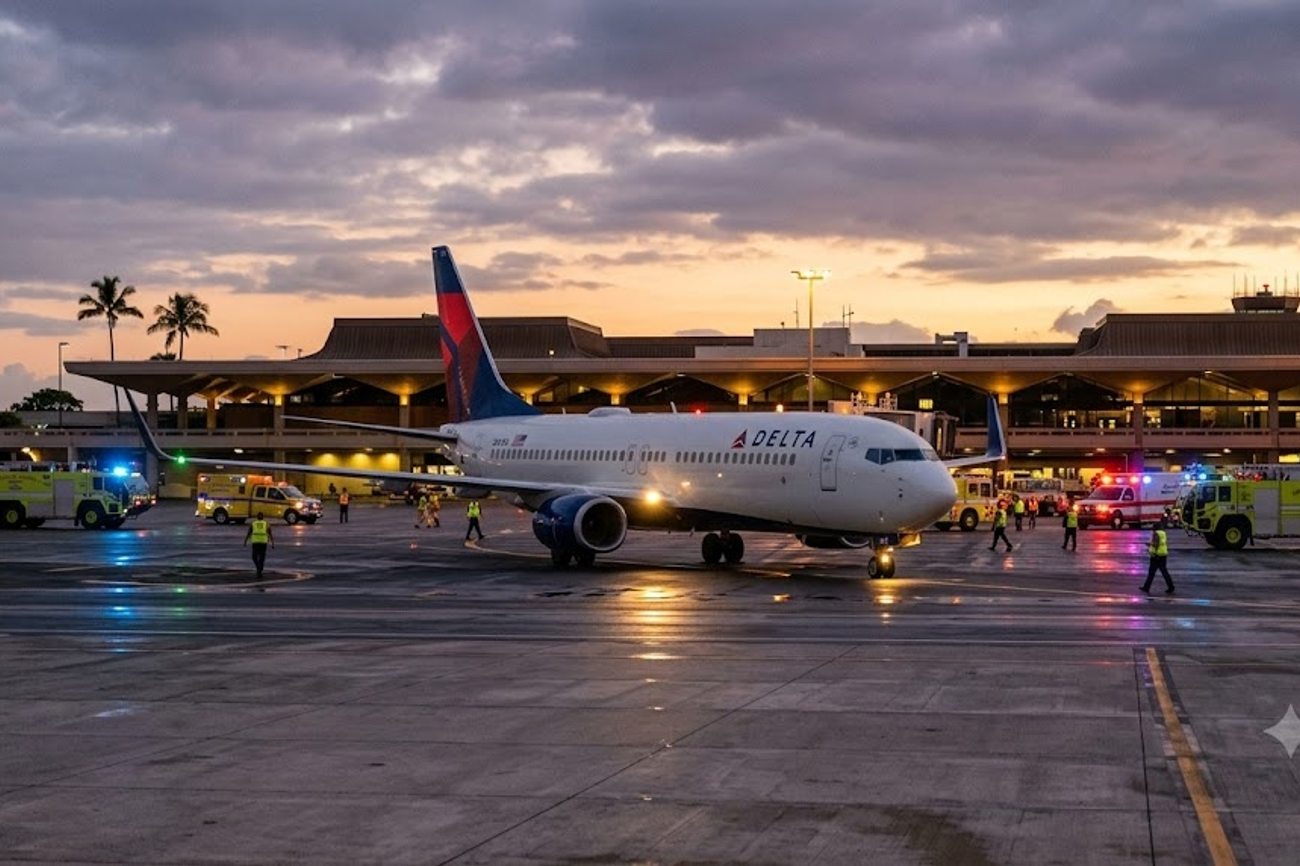
Image generated by AI
[Honolulu, September 19] — Delta Air Lines diverted a flight from Maui to Seattle to Honolulu after crew members reported fumes inside the cabin, forcing 189 passengers to evacuate and await a replacement aircraft.
The incident involved Delta Flight 394, an Airbus A321neo departing from Kahului Airport (OGG). The aircraft was en route to Seattle-Tacoma International Airport (SEA) when the crew identified the fumes and initiated emergency diversion protocols to land at Daniel K. Inouye International Airport (HNL).
Fumes Trigger Emergency Diversion
The diversion occurred shortly after the aircraft departed Maui. While the specific origin of the fumes remains unidentified, Delta confirmed that the crew followed all established safety procedures to ensure the aircraft landed safely on Oahu. It is important to note that a report of fumes does not automatically indicate a fire, engine failure, or fuel system breach, though ground crews at Daniel K. Inouye International Airport observed fuel being discharged from the aircraft upon its arrival.
The Federal Aviation Administration (FAA) has noted that preliminary information regarding aviation incidents is subject to change as investigations progress. The agency has deferred specific queries regarding the crew and passengers to the carrier.
Passenger and Crew Impact
The diversion disrupted the travel plans of nearly 200 individuals. The impact breakdown is as follows:
- Passengers: 189 individuals were onboard. No passenger injuries were reported.
- Crew: One flight attendant required medical attention following the event.
- Route: Kahului (OGG) $\rightarrow$ Seattle (SEA), diverted to Honolulu (HNL).
- Aircraft: Airbus A321neo.
Following the landing in Honolulu, all passengers were deplaned for a safety assessment of the aircraft. Delta subsequently coordinated a replacement aircraft to transport the affected travelers from Honolulu to Seattle.
Practical Traveler Advisory and Strategic Insights
For passengers currently booking or flying with Delta in the Hawaii market, this incident highlights the operational volatility of long-haul island departures. When a direct flight from Maui is diverted to Honolulu, the passenger experience shifts from a seamless mainland journey to a fragmented inter-island transit.
Immediate impacts for affected travelers include:
- Transit Delays: Diversions of this nature typically add several hours to the total travel time due to deplaning, aircraft inspections, and the scheduling of replacement flights.
- Logistical Friction: Passengers may face challenges with baggage retrieval and the coordination of onward transportation or hotel check-ins at their final destination.
- Financial Recourse: Delta has stated it is issuing refunds and contacting those impacted by the disruption. Travelers should monitor their email and the Delta Air Lines official app for compensation updates.
Hawaii's Long-Haul Network Expansion
This operational hiccup occurs amidst a significant expansion of Delta's presence in the Pacific. In February 2026, the airline announced its most extensive Hawaii schedule to date. This growth includes the introduction of new service between Minneapolis and Maui, the restoration of flights connecting Boston and Honolulu, and increased frequency from various mainland hubs.
While the expansion provides more options for leisure travelers, it increases the reliance on the hub-and-spoke stability of Daniel K. Inouye International Airport. As Hawaii's primary gateway, HNL serves as the critical safety valve for diverted flights from smaller airports like Kahului. This incident underscores why direct mainland flights from Maui are highly valued; when they fail, the traveler is forced back into the inter-island routing system.
Despite the emergency landing, there were no reports of wider closures at either Kahului Airport or Honolulu Airport. Flight-tracking data indicates that the DL394 service continued to operate around the date of the incident, suggesting the disruption was isolated to a single aircraft rather than a systemic failure.
Strategic Logistics Analysis and 2026 Traveler Insights
The diversion of Delta Flight 394 from Maui to Honolulu due to reported fumes on board underscores the complexities and unpredictabilities of air travel, particularly on routes that involve island destinations. For travelers planning to visit or depart from Hawaii, understanding the strategic logistics of such flights and being aware of peak travel times, booking considerations, and transit alternatives can significantly mitigate the impact of unforeseen events like the one described.
Peak Travel Timing and Booking Considerations
Hawaii is a popular destination year-round, but peak travel seasons typically coincide with summer vacations (June to August) and the winter holiday season (December to early January). During these periods, flights are more likely to be fully booked, and the potential for delays or diversions can have a cascading effect on travel plans. Travelers should consider booking flights during the shoulder season (April to May or September to November) when possible, as these periods offer better weather and smaller crowds, potentially reducing the likelihood of flight disruptions.
The Delta flight from Maui to Seattle was diverted to Honolulu after fumes were reported on board, prompting an investigation into the incident. According to Delta Air Lines, the safety of passengers and crew is the top priority, and the airline is working to accommodate affected passengers. The diversion highlights the importance of airline safety protocols and the need for swift action in response to potential hazards.
When booking, travelers should also consider the timing of their flights. Early morning flights tend to have a lower risk of delays compared to later flights, which can be more susceptible to cumulative delays throughout the day. Additionally, being flexible with travel dates can help in securing better fares and reducing the impact of any potential disruptions.
Transit Alternatives and Regional Context
For travelers affected by diversions like the one experienced by Delta Flight 394, understanding transit alternatives is-crucial. In the case of a diversion to Honolulu, travelers have several options to continue their journey, including:
- Inter-island Flights: Hawaiian Airlines, Alaska Airlines, and other carriers offer frequent flights between Honolulu and other islands, including Maui. These flights can be a viable alternative for reaching the original destination or connecting to another flight.
- Alternative Routes: Depending on the final destination, travelers might find it more convenient to fly out of Honolulu rather than waiting for a replacement flight from Maui. This could involve booking a separate ticket or working with the airline to re-route the journey.
- Ground Transportation: For travelers with more time and a desire to see more of the islands, ground transportation options like buses or rental cars can provide a scenic, albeit longer, route to the final destination.
The regional context of air travel in Hawaii is unique due to its island geography. Airlines must balance demand with the operational challenges of serving multiple islands, each with its own airport and logistical considerations. This can sometimes lead to tighter schedules and less flexibility in the event of disruptions. However, major carriers like Delta, along with local airlines, have extensive experience in managing these challenges and typically have contingency plans in place for such events.
Visitor Advice for 2026
As the travel industry continues to evolve, especially in the context of post-pandemic recovery and growing demand for air travel, visitors to Hawaii in 2026 should be prepared for potential disruptions. Key advice includes:
- Stay Informed: Register for flight alerts and follow the airline's social media or customer service channels for the latest updates on flight status and any travel advisories.
- Plan Ahead: Build some flexibility into your travel plans, including considering travel insurance that covers unforeseen events like flight diversions.
- Be Prepared: Keep essential items like medications, chargers, and a change of clothes in your carry-on luggage in case of unexpected overnight stays or delays.
- Understand Airline Policies: Familiarize yourself with the airline's policies on diversions, cancellations, and passenger rights to ensure you can make informed decisions in case of a disruption.
By being aware of these factors and taking proactive steps to plan for contingencies, travelers can minimize the impact of unexpected events like the diversion of Delta Flight 394 and enjoy a smoother, more enjoyable journey to and from the beautiful islands of Hawaii.
FAQ: Delta Flight 394 Diversion 2026
Did any passengers get hurt during the fumes report? No passenger injuries were reported. However, one flight attendant did seek medical attention after the aircraft landed in Honolulu.
Was the Maui airport closed because of this incident? No. There is no evidence that Kahului Airport (OGG) experienced any wider closures or operational shutdowns due to the diversion of Flight 394.
What should I do if my Delta flight from Hawaii is diverted? Check the official Delta app for real-time updates and contact a gate agent immediately to arrange replacement travel or hotel accommodations.
Is this a common issue with the Airbus A321neo? The source report does not indicate a systemic issue with the aircraft model; it treats this as an isolated operational incident currently under review.
Safe travels require a plan for the unplanned.
Related Travel Guides
- Charleston Joins Ontario and More as America’s Rising Airports Redefine the Journey Before Take-Off
- Asia Travel Disrupted as Major Airports Including Tokyo, Singapore and Others Face 245 Cancellations and 4,100 Delays
- Luxembourg Tightens Drone Surveillance After Airport Shutdown Forces 19 Flights to Divert Across Europe
This article is for informational purposes. Flight routes, passenger regulations, visa rules, and transit advisories are subject to change by airlines and aviation authorities. Readers are advised to verify schedules and travel documentation with relevant carriers and border agencies before departure.
Related Stories

Jet Airways vs. Boeing NCLAT Battle: Why Manufacturer Litigation Offers No Quick Ticket Refunds for Indian Travel Agents

easyJet Launches Direct Liverpool to Reykjavik Flights: Inside the North West's New Winter Gateway to Iceland