
Los Angeles County Considers Restricting Independence Day Displays Near Sensitive Habitats, Igniting the Marina del Rey Fireworks Ban Debate USA: New Travel Alert
Los Angeles County evaluates restricting July 4 fireworks near the Ballona Wetlands, sparking a national debate on balancing coastal celebrations with ecological preservation.

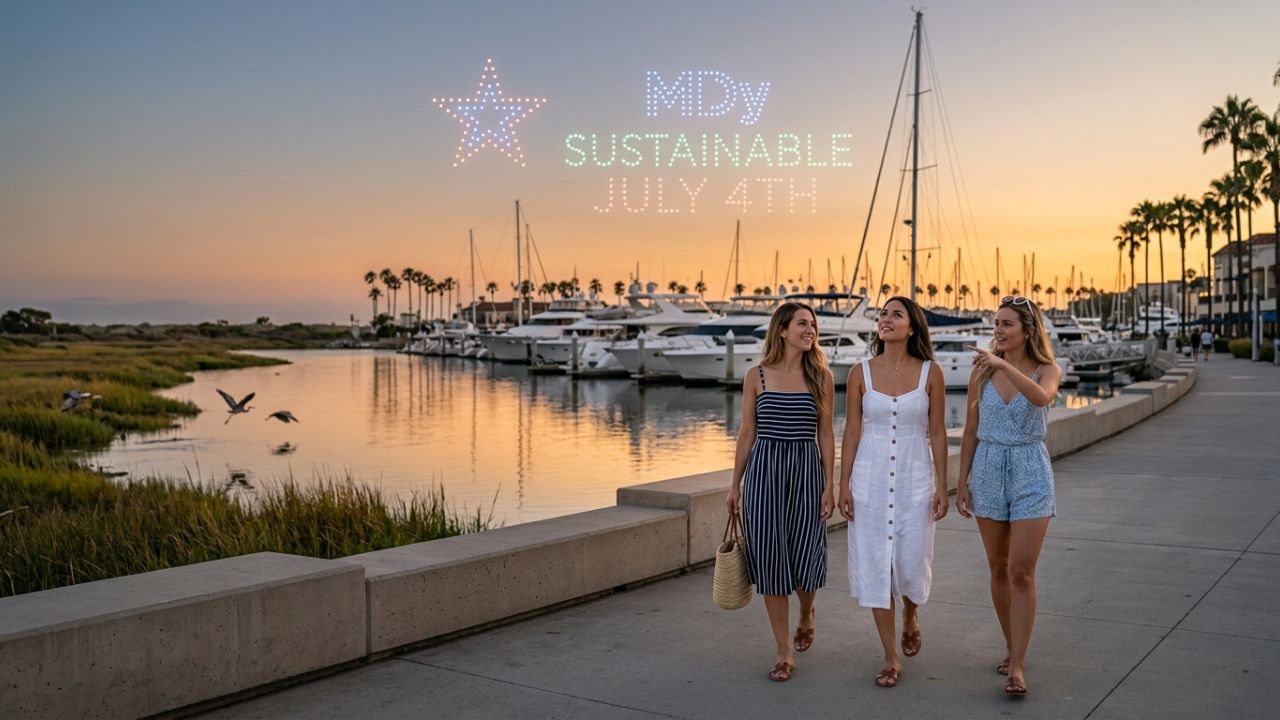
Image generated by AI
Published on June 23, 2026
A major environmental controversy is unfolding along the southern California coastline, sparking the intense Marina del Rey fireworks ban debate USA as Los Angeles County evaluates restricting July 4 Independence Day displays near fragile ecosystems. The dispute highlights the growing tension between traditional travel celebrations and the preservation of coastal wildlife zones. Travelers planning to visit regional beaches can expect potential changes to local holiday entertainment as conservation advocates and hospitality interests clash over sustainable tourism management.
This expanding tourism segment represents a significant milestone in California's coastal development, shifting focus toward high-value eco-conscious travel. As operators expand their local presence and tailor premium offerings, the economic impact is expected to benefit service providers across rural and waterfront counties. For anyone tracking global environmental trends or planning a premium getaway, this update highlights key developments and traveler advice.
Quick Summary
- Ecological Standoff: The Marina del Rey fireworks ban debate USA centers on protecting the sensitive Ballona Wetlands ecosystem from high-intensity holiday disturbances.
- Wildlife Protection focus: Environmental stakeholders warn that noise and light pollution disrupt nesting seabirds and stress marine species during critical summer cycles.
- Wildfire and Air Safety: Fireworks introduce ignition risks during California's dry summer periods and degrade air quality by releasing particulate matter over marine and residential zones.
- Economic Balance: Holiday weekends drive massive tourism demand for local hotels, restaurants, and marina boating services, creating concerns over regulatory restrictions.
- Innovative Alternatives: Planners are exploring eco-friendly celebrations like synchronized drone light shows and laser displays to replace traditional pyrotechnics.
Context and Background: Establishing the Coastal Conservation Focus
The rise of Marina del Rey as a key hub for waterfront leisure is supported by shifting domestic travel preferences and coastal development patterns. In response to growing traveler interest in ecological preservation, local authorities are reviewing standard event management policies near fragile habitats. This focus on sustainable coastal management makes the region a key example of how modern travel destinations are balancing active celebration culture with environmental protection.
Prior to introducing these conservation reviews, regional coastal municipalities focused primarily on maximizing visitor volume and holiday event spending. Moving operations toward sustainable tourism design and wildlife protection has enabled local providers to form closer bonds with regional conservation networks and policy planners. This local presence is helping position Marina del Rey as a top-tier destination, allowing the city to build long-term relationships with domestic travel professionals.
Event and Incident Details: Environmental Concerns at the Heart of the Marina del Rey Fireworks Ban Debate USA
The core of this tourism shift centers on the proposal to restrict traditional fireworks near the Ballona Wetlands, one of the last remaining coastal wetland habitats in Los Angeles County. The wetlands support a variety of migratory birds, marine species, and unique wetland vegetation that are highly sensitive to sudden sound and light changes.
To outline the environmental indicators, wildlife factors, and regional tourism values surrounding this debate, the table below compiles key performance areas:
| Operational Feature / Environmental Factor | Details and Recorded Context (2026) | Strategic Value for Regional Economy |
|---|---|---|
| Resort Location | Marina del Rey, Los Angeles County | High-traffic waterfront hub for boating and luxury travel |
| Fragile Ecosystem | Ballona Wetlands coastal habitat | Supports migratory bird nesting and marine biodiversity |
| Key Issues Debated | July 4 fireworks ban and event restrictions | Balances cultural celebration with wildlife protection |
| Target Booking Type | Weekend holiday packages and marina slips | Encourages longer visitor stays and higher local spending |
| Eco-Friendly Alternatives | Synchronized drone shows and laser displays | Redefines destination branding as an eco-conscious travel hub |
| Statewide Risk Factor | Wildfire conditions and dry summer vegetation | Minimizes ignition hazards and air quality degradation |
This direct access to recreation supports Marina del Rey's reputation as a premium harbor destination, drawing holiday travelers and driving growth across regional service industries.
Risk and Impact: Structural Challenges in Coastal Tourism Management
While the expansion of the environmental protections is driving sustainable practices, it introduces several operational challenges and market shifts:
- Competitive Pressures on Waterfront Businesses: Local hotels, restaurants, and marina services face declining bookings if traditional holiday attractions are restricted.
- Habitat Abandonment Risks: Repeated high-intensity sound events near the wetlands can cause sensitive bird species to abandon their nests permanently.
- Wildfire Ignition in Dry Brush: California's dry summer periods increase the danger of pyrotechnic sparks igniting fires in surrounding dry vegetation.
- Air and Water Pollution: Fireworks release chemical compounds and particulate matter that settle in marine zones and residential neighborhoods.
- Divided Community Priorities: Tourism stakeholders seeking economic returns must work alongside conservationists prioritizing environmental protection.
Public Opinion and Evolving Alternatives in the Marina del Rey Fireworks Ban Debate USA
The transition toward eco-friendly celebrations represents a broader shift in event programming across the United States. Unlike traditional fireworks, drone light shows allow for quiet, precise visual storytelling that does not disturb local wildlife or introduce fire hazards. By adopting these modern formats, coastal hubs can maintain holiday excitement while protecting the environment.
Additionally, California's coastal tourism identity is increasingly linked to sustainability branding. Modern travelers expect destinations to practice active ecological stewardship, competing on environmental responsibility alongside traditional amenities. By finding a balance between holiday celebrations and wildlife protection, Marina del Rey can strengthen its appeal as a forward-thinking travel destination.
What Authorities and Planners Say About the Environmental Conflict
State environmental planners and local county representatives are increasingly prioritizing sustainable travel segments. Planners point out that nature-integrated event design helps protect fragile ecosystems while maintaining visitor engagement. By aligning local policies with state conservation guidelines, authorities are helping visitors view environmental stewardship as an essential part of the travel experience.
Additionally, regional safety coordinators emphasize the importance of wildfire prevention. Representatives from conservation departments advise that reducing fireworks use in high-risk zones aligns with broader safety strategies, protecting both natural habitats and adjacent residential neighborhoods from fire hazards during peak summer dry periods.
Practical Traveler Advice: Planning Your California Coastal Holiday
For travelers planning a trip to Los Angeles waterfront destinations in 2026, travel consultants recommend the following steps:
- Verify Holiday Event Schedules: Check the official Los Angeles County tourism portals for updates on July 4 celebrations and potential event changes in Marina del Rey.
- Support Eco-Conscious Operators: Choose boat charters, hotels, and dining venues that practice sustainable waste management and respect local wildlife boundaries.
- Explore the Ballona Wetlands Safely: Visit designated viewing decks and follow marked trails to appreciate the coastal habitat without disturbing nesting birds.
- Follow Local Fire Regulations: Observe strict bans on personal fireworks and campfires to protect dry coastal vegetation from ignition hazards.
- Explore Alternative Shows: Seek out nearby municipalities that feature drone light shows and laser displays for an eco-friendly holiday experience.
- Book Travel and Marina Slips Early: Due to high visitor volumes during holiday weekends, secure your lodging and boat docking space months in advance.
Broader Context: Wetland Restoration and Sustainable Tourism
The debate in Marina del Rey is part of a national trend prioritizing the restoration of urban wetlands across the United States. Coastal wetlands serve as vital buffers against erosion and support biodiversity in heavily developed regions. By reducing seasonal disturbances, conservationists hope to encourage the recovery of native species along the Pacific coastal corridor.
Furthermore, coastal cities are increasingly using their natural geography to build eco-tourism profiles. This strategy helps revitalize local economies while raising public awareness about conservation. By integrating environmental protection into tourism planning, cities ensure their scenic coastlines remain viable assets for future generations.
Looking Ahead: The Future of Eco-Conscious Holiday Celebrations
Looking ahead, the coastal tourism sector is positioned for continued regulatory transformation. Planners expect more waterfront cities to adopt next-generation event designs, replacing traditional pyrotechnics with eco-friendly alternatives. This will likely lead to further investments in synchronized drone fleets, quiet laser systems, and interactive digital storytelling.
As travelers continue to demand sustainable, low-impact vacations, the focus on wildlife protection will remain strong. This ongoing growth will encourage stronger public-private partnerships, ensuring that America's sensitive coastlines remain preserved, accessible, and active cultural hubs for years to come.
Conclusion: Emphasizing Stewardship and Quality in Coastal Travel
The ongoing discussions in Marina del Rey demonstrate that environmental responsibility is a key component of modern travel habits. By prioritizing wildlife conservation, fire safety, and sustainable event design, waterfront destinations are leading the growth of eco-conscious travel. Exercising careful preparation, booking early, and respecting local guidelines will ensure a safe and memorable coastal holiday.
Related Travel Guides
Disclaimer: Holiday schedules, event permits, and wildlife viewing guidelines are subject to change based on county regulations and environmental conditions. Travelers should verify all event listings and local safety mandates directly with Los Angeles County portals and regional tourism authorities before arrival.
FAQ: Marina del Rey Fireworks Ban Debate
What is the Marina del Rey fireworks ban debate USA about?
The debate centers on whether Los Angeles County should restrict traditional July 4 fireworks displays near the sensitive Ballona Wetlands to protect coastal wildlife from noise and light pollution.
Why are the Ballona Wetlands ecologically significant?
The Ballona Wetlands form one of the last remaining coastal wetland habitats in Los Angeles County, supporting migratory birds, nesting seabirds, marine species, and unique wetland vegetation.
How do fireworks affect wildlife in coastal ecosystems?
Noise and light pollution disrupt bird nesting patterns and feeding cycles, stress marine species, and, if repeated, increase the risk of sensitive species permanently abandoning their habitats.
What are the main eco-friendly alternatives to traditional fireworks?
Destinations are increasingly adopting synchronized drone light shows and laser-based displays, which provide a high visual impact without the noise, smoke, and fire hazards of pyrotechnics.
How does this environmental debate affect the local tourism economy?
Waterfront businesses like hotels, restaurants, and boat charters benefit from the holiday tourist influx, creating concern that restrictions could impact visitor spending and bookings.
Disclaimer
This article is for informational and educational purposes only. It does not constitute legal, financial, or professional advice. While we strive to provide accurate and up-to-date information, travel policies, regulations, and conditions change rapidly. Always verify information with official sources before making travel decisions. Nomad Lawyer makes no representations about the accuracy, reliability, completeness, or suitability of the information provided. Readers should consult qualified professionals for advice specific to their circumstances. The views expressed in this article are those of the author and do not necessarily reflect the views of Nomad Lawyer.
Kunal K Choudhary
Co-Founder & Contributor
A passionate traveller and tech enthusiast. Kunal contributes to the vision and growth of Nomad Lawyer, bringing fresh perspectives and driving the community forward.
Learn more about our team →