
Malta Gives Heritage Stays A New Tourism Role
Malta Gives Heritage Stays A New Tourism Role

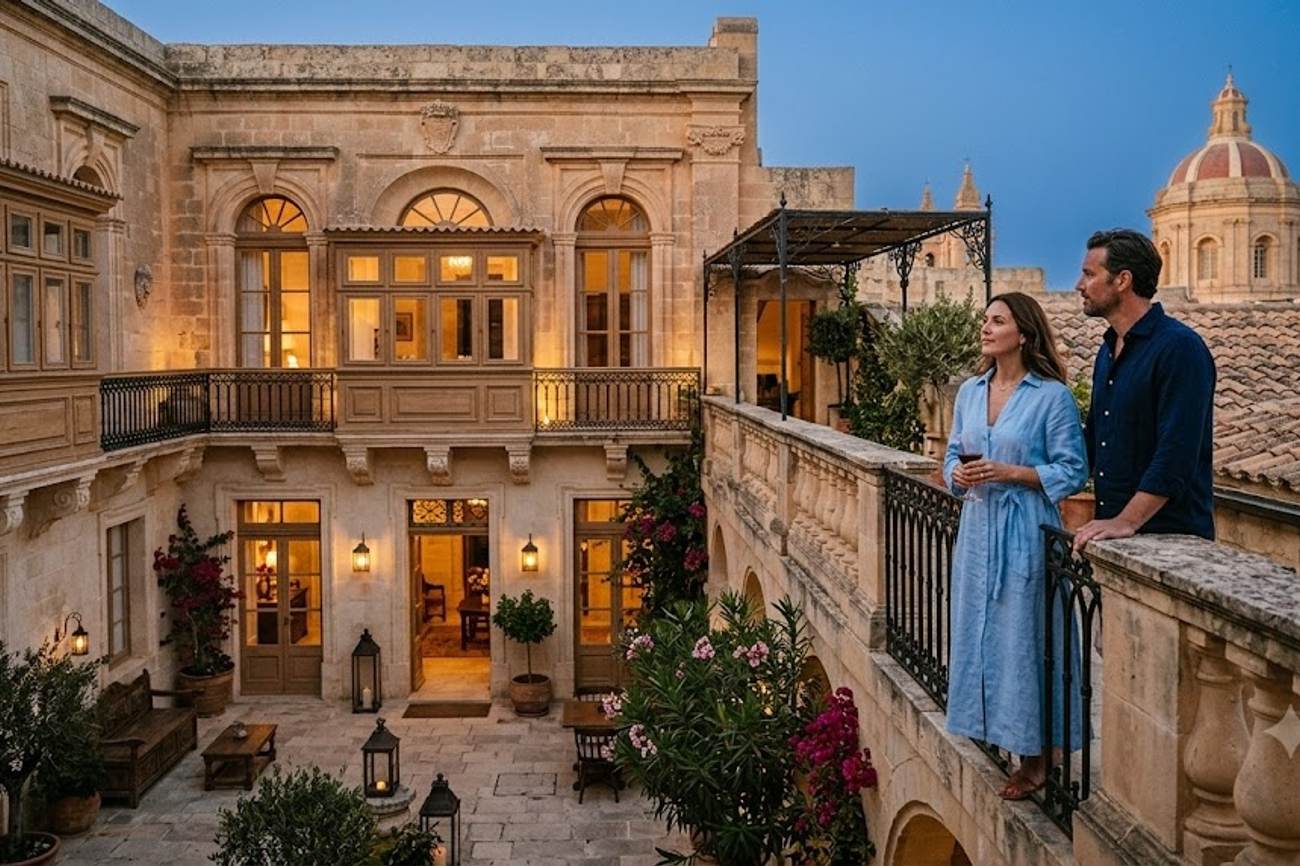
Image generated by AI
[Valletta, September 2026] — The Malta Tourism Authority (MTA) is fundamentally restructuring the nation's hospitality sector by implementing the 2026 Accommodation Framework, a regulatory shift that prioritizes the adaptive reuse of historic buildings over large-scale hotel construction. This new legislative approach formally integrates "Heritage," "Boutique," and "Diffuso" categories into the national licensing system, aiming to pivot the country toward high-value, low-impact tourism.
The policy specifically targets the "Three Cities"—Birgu, Senglea, and Cospicua—located across the Grand Harbour from the capital. By legalizing the "Diffuso" model, the government now allows a single hospitality business to operate across multiple converted buildings within a designated conservation area, provided a central hub manages core operations. This move effectively transforms entire historic urban quarters into functioning hotels, moving away from the traditional concentrated hotel block model.
The Shift to Heritage-Led Development
The catalyst for these changes is a strategic need to manage Malta's limited land mass while leveraging its extensive stock of historic architecture. Rather than approving new, massive developments that alter the skyline, the Malta Tourism Authority is incentivizing the restoration of existing structures.
Under the Tourism Accommodation Regulations 2026, the government has established a strict hierarchy for heritage labels. Properties categorized as three, four, or five-star hotels or guest houses may now officially carry the "Heritage Hotel" designation, provided they meet rigorous standards for the preservation of distinctive architectural features.
The framework also introduces two new official certifications:
- The Heritage Label: Awarded to properties that demonstrate recognized historical importance and sensitive restoration.
- The Diffuso Label: Granted to decentralized accommodations that spread guest rooms across various restored buildings within a single conservation zone.
By codifying these labels into law, the MTA is providing a legal pathway for small-scale investors to compete with international chains by leveraging character and design rather than room volume.
Impacted Zones and Market Restrictions
The most immediate impact of the 2026 Framework is felt in the Three Cities region, where the geography of narrow streets and fortified waterfronts makes traditional large-scale hotel construction impractical.
| Impacted Area | Primary Focus | Key Development Type |
|---|---|---|
| Birgu | Fortified waterfronts | Boutique & Diffuso |
| Senglea | Harbour-view properties | Heritage Restoration |
| Cospicua | Historic urban quarters | Adaptive Reuse |
| Valletta | Capital city overflow | High-end Boutique |
To prevent the "over-hotelization" of these sensitive areas, the new legislation imposes hard caps on development scale. The MTA has stated that any new hotel project or extension exceeding established height limitations will not receive favorable consideration. Furthermore, the framework explicitly excludes any new hotels, extensions, or redevelopments that exceed 200 rooms from these specific heritage-led criteria.
For smaller-scale operations, guest houses in these designated zones are now limited to a maximum of 20 rooms. This ensures that the architectural integrity of conservation areas remains intact and prevents the displacement of local residential character.
Practical Traveler Advisory and Strategic Insights
For the average traveler, this regulatory shift changes the nature of the "stay" from a passive experience to an active part of the destination. Instead of staying in a generic hotel on the outskirts of a city and commuting to historic sites, visitors will increasingly reside within the monuments themselves.
Malta is diversifying its hospitality sector by integrating traditional heritage properties into the modern tourism landscape to preserve cultural authenticity. Travelers seeking these unique accommodations can find curated guides and official regional information through Visit Malta, the islands' official tourism authority.
Direct Passenger and Guest Impacts:
- Decentralized Stays: Guests booking a "Diffuso" hotel may find their bedroom in one historic townhouse and their breakfast room or spa in another building several doors down, effectively turning the neighborhood into the hotel lobby.
- Increased Quality Control: The introduction of official "Boutique" and "Luxury Boutique" labels into Maltese law provides a standardized benchmark for quality, reducing the risk of "boutique" being used as a marketing term for substandard small hotels.
- New Mandatory Fees: Starting July 2026, all guests aged 18 and older must pay a mandatory environmental contribution of €1.50 per night. This fee is capped at a maximum of €22.50 per person per visit.
- Authenticity over Scale: Travelers should expect fewer "mega-resorts" and more intimate, design-led accommodations that prioritize the local neighborhood identity over standardized amenities.
Sustainability and Fast-Track Licensing
While the broad regulatory shift emphasizes sustainability, the MTA is reportedly exploring a "fast-track" licensing process for operators who meet aggressive environmental targets. This proposed lane would prioritize businesses that implement zero single-use plastics, utilize solar-adaptive restoration techniques, and commit to local sourcing.
While these specific fast-track conditions are currently under review and not yet fully detailed in all public-facing MTA materials, the overarching goal is to align Malta's tourism growth with the sustainability standards championed by the European Union. The environmental contribution fee implemented in July 2026 serves as the primary funding mechanism for these broader ecological goals.
The integration of these standards suggests that future "Heritage" and "Boutique" labels will not just be about the aesthetics of the past, but about the technological viability of the future.
FAQ: Malta Heritage Accommodation 2026
What is a "Diffuso" hotel? A Diffuso hotel is a decentralized accommodation where guest rooms are spread across several restored buildings in a historic area, rather than one building. A central hub provides reception and core services, allowing guests to live within the community.
How much is the new environmental fee? As of July 2026, guests aged 18+ pay €1.50 per night. This is capped at €22.50 per person per stay. This fee is mandatory for all licensed accommodation.
Are large hotels being banned in Malta? Not banned, but heavily restricted in heritage zones. New hotels or extensions with more than 200 rooms are excluded from the new heritage criteria, and height restrictions are being strictly enforced.
Which cities are most affected by these rules? The "Three Cities"—Birgu, Senglea, and Cospicua—are the primary focus, as their maritime history and narrow streets are ideal for the new Boutique and Diffuso models.
Malta is trading the scale of the skyscraper for the soul of the stone.
Related Travel Guides
- Mauritius Expands Beach Holiday Appeal With Astroea Beach Hotel’s Coastal Stay And Leisure Experiences
- Japan Updates Every Explorer Visiting Hiroshima And Miyajima Must Absolutely Master Before Planning Their Next Travel Journey
- Seychelles And Mauritius Strengthen Travel Links Across The Indian Ocean
Disclaimer
This article is for informational and educational purposes only. It does not constitute legal, financial, or professional advice. While we strive to provide accurate and up-to-date information, travel policies, regulations, and conditions change rapidly. Always verify information with official sources before making travel decisions. Nomad Lawyer makes no representations about the accuracy, reliability, completeness, or suitability of the information provided. Readers should consult qualified professionals for advice specific to their circumstances. The views expressed in this article are those of the author and do not necessarily reflect the views of Nomad Lawyer.
Naina Thakur
Contributor & Travel Specialist
Travel enthusiast and legal writer covering visa regulations, responsible tourism, and cultural journeys across global destinations.
Learn more about our team →