Malaysia Boosts Philippines Tourism Growth Despite Rising Fuel Surcharges and Higher Travel Costs for Visitors

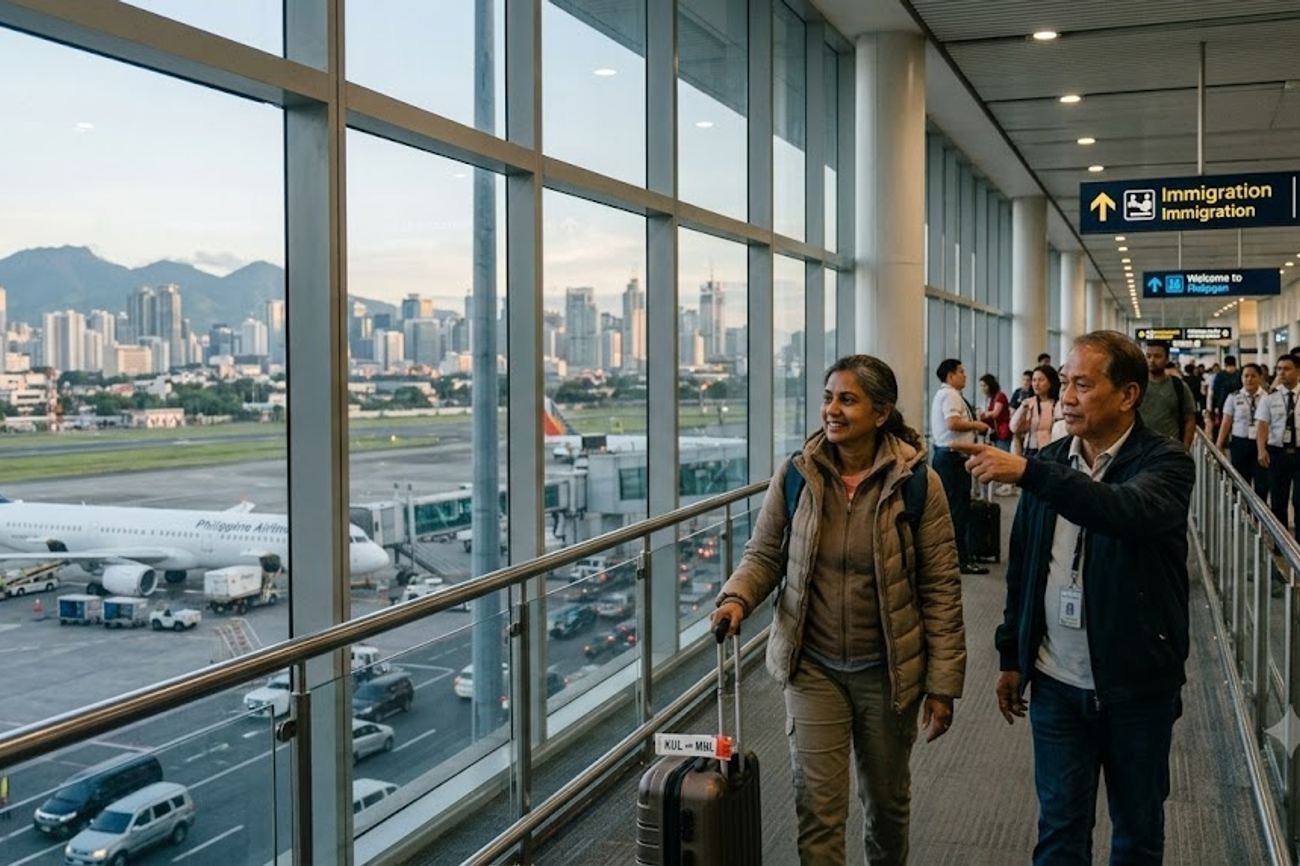
Image generated by AI
A Filipino traveler booking a last-minute getaway to Kuala Lumpur this September finds their total fare unexpectedly spiked by several thousand pesos. This is the new reality for passengers navigating the Manila-Kuala Lumpur corridor as the Civil Aeronautics Board (CAB) implements aggressive fuel surcharge hikes.
Fuel Surcharge Escalation and Aviation Costs
The financial landscape for travel between the Philippines and Malaysia has shifted significantly for the second half of September 2026. In a direct response to the ongoing instability of global energy markets, the Civil Aeronautics Board has officially raised the airline fuel surcharge from Level 13 to Level 14. This regulatory shift allows carriers to pass the volatility of jet fuel prices directly to the consumer, impacting every ticket issued for the period.
For those flying domestically within the Philippines before connecting to Malaysia, the additional costs range from PHP457 to PHP1,336 per passenger. However, the impact is far more severe for international travelers. Depending on the specific flight distance and the carrier's pricing model, passengers are now facing additional surcharges ranging from PHP1,509.08 to PHP11,220.71.
Despite these price hikes, the volume of travel remains surprisingly robust. In June 2026, Malaysia recorded 299,633 arrivals from the Philippines, a slight increase over the 296,298 arrivals recorded during the same window in the previous year. This indicates that while the cost of entry is rising, the demand for Malaysian destinations—particularly for shopping, business, and cultural tourism—continues to outweigh the financial deterrent for many.
Affected Routes and Flights
The disruption is not a cancellation of service, but a financial disruption affecting all seats on the primary corridors connecting the two ASEAN nations. Currently, there are approximately 59 weekly flights operating between Malaysia and the Philippines, providing a total capacity of 11,615 seats.
The specific gateways experiencing these price adjustments include:
- Manila (MNL) to Kuala Lumpur (KUL): The primary artery for business and leisure.
- Manila (MNL) to Kota Kinabalu (BKI): Key for nature and beach tourism.
- Cebu (CEB) to Kuala Lumpur (KUL): A critical link for passengers from the Visayas region.
- Cebu (CEB) to other Malaysian regional hubs: Subject to the same CAB Level 14 surcharge.
Passengers can monitor real-time flight availability and potential schedule changes via FlightRadar24 to see if carriers are adjusting capacity in response to these costs.
Your Rights as a Passenger
When facing sudden price increases or changes in ticket costs due to fuel surcharges, it is essential to understand where the law stands. Because these flights operate between the Philippines and Malaysia, they fall under the jurisdiction of the Philippines' Civil Aeronautics Board (CAB) and the respective aviation laws of Malaysia.
Fuel Surcharge Legality Under CAB regulations, fuel surcharges are permissible provided they are filed and approved. The move from Level 13 to Level 14 is a regulatory adjustment. If you have already purchased a non-refundable ticket, the airline generally cannot charge you an additional surcharge for a flight already paid for. However, for new bookings or flexible tickets, these costs are legally enforceable.
Refunds and Cancellations If the price increase makes your trip unaffordable, your options depend on the ticket class:
- Refundable Tickets: You are entitled to a full refund minus a potential administrative fee.
- Non-Refundable Tickets: You are typically only entitled to the return of government-mandated taxes (such as the Philippine Travel Tax), but not the base fare or the fuel surcharge.
Delay and Cancellation Compensation While the current issue is financial, any subsequent flight disruptions (cancellations or long delays) on these routes are governed by the airline's Conditions of Carriage and local consumer laws. For flights departing from the Philippines, passengers should refer to the US DOT Air Consumer Protection guidelines for general international standards, although specific CAB rules apply. If you are flying a European carrier with a layover in the EU, you may be eligible for compensation under EU261/2004, which provides up to €600 for significant delays or cancellations.
Rebooking Strategy and Alternatives
With international surcharges reaching as high as PHP11,220.71, passengers must be strategic about how they book and route their travel to Malaysia.
1. Route Optimization If the direct Manila-Kuala Lumpur route is prohibitively expensive due to the new surcharge levels, consider "hub-hopping." Check flights from Manila to Singapore (SIN) and then take a short-haul flight or a luxury bus to Kuala Lumpur. While this adds travel time, the combined fuel surcharges may be lower than a single long-haul international surcharge.
2. Carrier Comparison Not all airlines pass on the CAB surcharge in the same manner. Compare Low-Cost Carriers (LCCs) against full-service airlines. While LCCs often have lower base fares, they may apply the fuel surcharge more aggressively to their "unbundled" pricing. Use FlightAware to track which airlines are adding more frequency to the route, as increased capacity often leads to competitive pricing to fill seats.
3. Booking Window Strategy Since the CAB surcharge levels are updated periodically (the current Level 14 is for the second half of September 2026), booking well in advance of the next regulatory window can lock in lower rates. Avoid "last-minute" bookings during periods of high energy market volatility.
4. Refund vs. Credit Trade-off If your flight is cancelled by the airline due to these operational costs, do not automatically accept a travel voucher. Under most aviation frameworks, you have the right to a cash refund for the unused portion of your ticket. Only accept the voucher if it is valued significantly higher (e.g., 120% of the original fare) than the cash refund.
FAQ: Malaysia-Philippines Travel Costs 2026
Am I entitled to a refund because of the fuel surcharge increase? No. A regulatory increase in fuel surcharges does not constitute a "flight disruption" or a "material change" that entitles you to a refund. However, if you have not yet paid for your ticket, you may choose to cancel based on the airline's fare rules.
How much extra will I pay for an international flight to Malaysia? Under CAB Level 14, international surcharges range from PHP1,509.08 to PHP11,220.71 per passenger, depending on the distance of the flight.
Can I avoid the fuel surcharge by booking through a third-party agent? No. Fuel surcharges are mandated by the Civil Aeronautics Board and are applied to the ticket regardless of the booking channel. The agent is simply collecting the fee on behalf of the airline.
What are the best alternative routes to Kuala Lumpur? Consider flying into Singapore and utilizing ground transport to Malaysia, or checking flights via other ASEAN hubs like Bangkok or Ho Chi Minh City to compare total surcharge costs.
Stay vigilant with your booking confirmations and always verify the current CAB surcharge level before finalizing your payment.
Tags: CAB Level 14, MNL-KUL, Malaysia Tourism 2026, Fuel Surcharge Philippines, ASEAN Aviation, Passenger Rights Philippines
Related Travel Guides
- Cyprus Steps Up With Greece to Boost Sustainable Tourism Through Cross Border Clean Up and Marine Protection
- Abu Dhabi Elevates Tourism Experience With New Quality Guidelines Covering Airports Attractions and More
- Zimbabwe’s Masuwe Tourism City Could Transform Victoria Falls Travel With Longer Stays, MICE and New Experiences
This article is for informational purposes. Flight routes, passenger regulations, visa rules, and transit advisories are subject to change by airlines and aviation authorities. Readers are advised to verify schedules and travel documentation with relevant carriers and border agencies before departure.
Related Stories

Philippines Domestic Tourism Hits PHP3.26 Trillion as Asian Staycation Trends Shift Toward 2027

Thailand Tourism Slowdown Tests Small Businesses as Kingdom Pivots to High-Yield Travel and Secondary Provinces