Malaysia and Iran Deepen Tourism Push as Tehran Campaign Promotes Halal and Family Travel

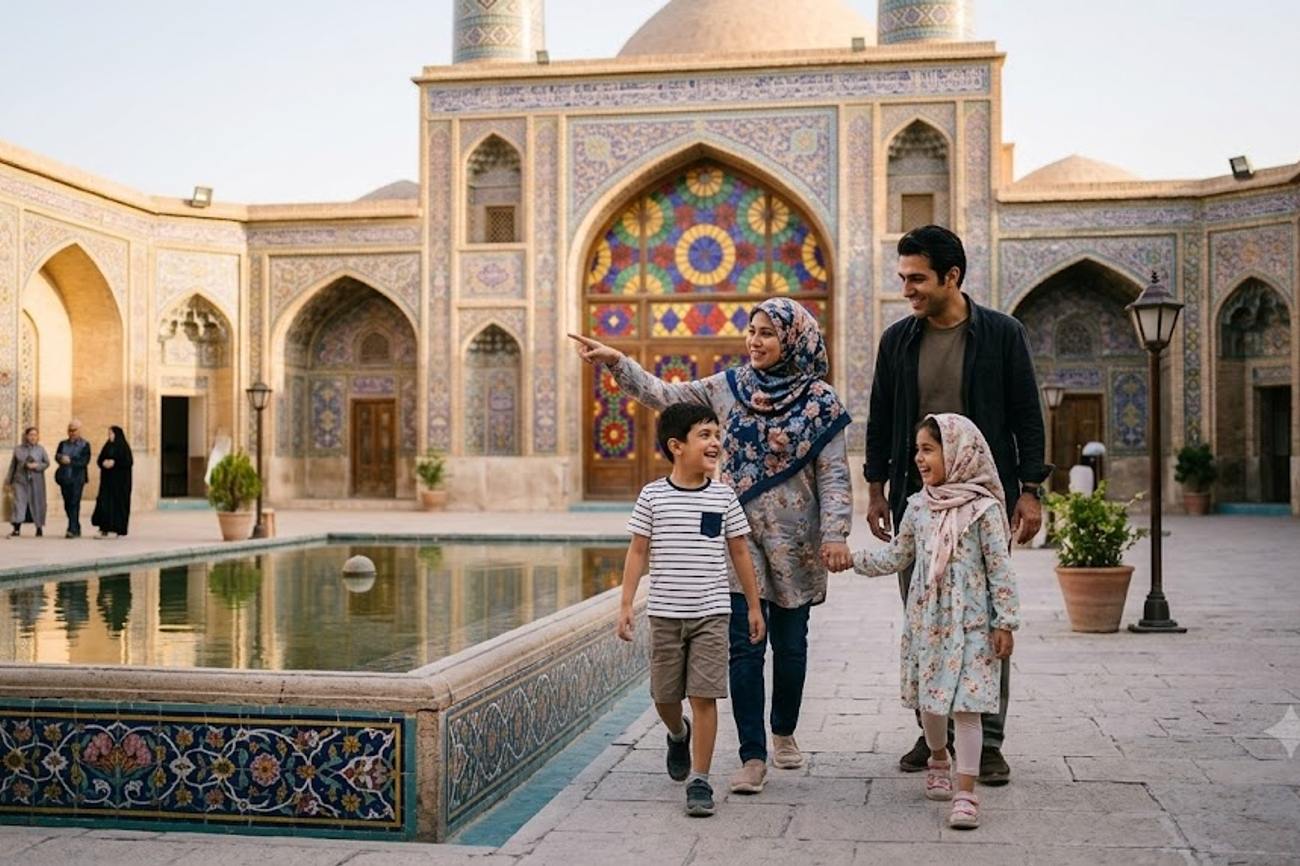
Image generated by AI
The growth of the Global Muslim Travel Market (GMTM) has outpaced general tourism growth, with spending by Muslim travelers reaching an estimated $225 billion globally in 2022—a figure projected to climb as destinations pivot toward "Halal-centric" infrastructure. This macroeconomic shift is the primary driver behind the Malaysian Embassy in Tehran's strategic pivot on 22 September, where officials shifted from consumer-facing marketing to a B2B "travel-trade" model to secure a foothold in the Iranian market ahead of the Visit Malaysia 2026 campaign.
The Halal-Trade Pivot in Numbers
The recent engagement in Tehran represents a calculated move to leverage the "multiplier effect" of travel agencies. By targeting the intermediaries who design group packages, Malaysia is not merely seeking individual tourists but is attempting to institutionalize its presence within Iranian travel itineraries. The core of this strategy is the alignment with the Visit Malaysia 2026 program, which integrates multicultural heritage with a specialized halal ecosystem.
Data from the World Travel & Tourism Council (WTTC) indicates that family-centric travel is one of the most resilient segments of the post-pandemic recovery. Malaysia is capitalizing on this by promoting a specific "Muslim-friendly" infrastructure that encompasses dining, prayer facilities, and family-oriented accommodation. A critical component of this timeline is the designation of September 2026 as Islamic Tourism Month. Organized by the Islamic Tourism Centre, this event is designed to synchronize accommodation, wellness experiences, and cultural products into a single, high-visibility window to maximize visitor density.
Beyond the capital, the diplomatic push expanded to Urmia on 20 September during the International Conference on Investment Opportunities in West Azerbaijan. This indicates that the tourism drive is not a standalone marketing effort but is embedded within a broader economic strategy involving agriculture and the halal industry, effectively using tourism as a lead indicator for wider bilateral investment.
Comparative Market Positioning: Malaysia vs. Regional Rivals
Malaysia is positioning itself as a more accessible alternative to other Southeast Asian hubs for Iranian travelers. While destinations like Thailand or Indonesia offer similar tropical appeal, Malaysia's aggressive push into "Halal-friendly" certification provides a competitive edge in reducing "travel friction" for conservative family groups.
The following table analyzes the strategic pillars of the current Tehran campaign compared to traditional tourism models:
| Strategic Pillar | Traditional Tourism Model | Visit Malaysia 2026 (Iran Strategy) | Impact on Iranian Market |
|---|---|---|---|
| Target Audience | B2C (Individual Travelers) | B2B (Tour Operators/Agencies) | Higher volume via group packages |
| Primary Value Prop | General Sightseeing | Halal-Friendly Ecosystem | Lowered cultural/religious barriers |
| Connectivity | Reliance on existing hubs | Direct negotiations with Iran Air/Mahan Air | Reduced travel time for families |
| Market Entry | Seasonal Promotions | Integrated Diplomatic/Economic Ties | Long-term institutional stability |
| Product Focus | Luxury/Adventure | Multi-generational Family Travel | Increased average spend per group |
According to data patterns often tracked by OAG, the viability of such tourism pivots depends entirely on the "Air Connectivity Gap." Currently, the lack of consistent direct flights acts as a bottleneck. The Malaysian Embassy's discussions in September with Iran Air, Mahan Air, and Iran Air Tour Airlines regarding the resumption of direct services to Kuala Lumpur International Airport are the most critical data points for predicting actual arrival numbers. Without these direct links, the conversion rate from "interest" to "arrival" remains capped by the friction of connecting flights.
Practical Traveler Advisory and Strategic Insights
For the individual traveler or the digital nomad operating within the West Asia-Southeast Asia corridor, these developments signal a shift in availability and pricing.
If you are planning a trip to Malaysia in 2026, expect a surge in "Family-Halal" bundled packages. Because the Malaysian government is targeting tour operators, these packages will likely offer better value than booking fragmented components (flight, hotel, tour) independently.
Actionable Advice:
- Monitor Flight Schedules: Keep a close watch on direct flight announcements from Tehran to Kuala Lumpur. The moment direct routes are restored, ticket prices typically spike due to initial demand before stabilizing. Booking 12-16 weeks in advance will be essential for the 2026 peak.
- Leverage September 2026: If your priority is cultural and religious tourism, align your travel with Islamic Tourism Month. The concentration of events and specialized packages during this window will likely provide the highest density of experiences per day.
- Diversify Beyond KL: While Kuala Lumpur is the primary gateway, the current campaign emphasizes the "multicultural identity" of the wider country. Travelers should look for integrated itineraries that combine the capital with the highlands and islands to avoid the crowds expected in the city center.
Malaysia and Iran are strengthening their tourism ties, with a focus on promoting halal and family travel, as part of a broader campaign to attract more visitors from the Middle East and Southeast Asia. The Iran Tourism Board has launched a series of initiatives to showcase the country's rich cultural heritage and natural beauty, including guided tours and special packages for families and Muslim travelers. This move is expected to boost tourist arrivals and revenue for both countries.
Forward Projection: The 2026 Trajectory
Based on current diplomatic movements, the trajectory for Malaysia-Iran tourism is moving toward "Institutionalized Travel." We are seeing a transition from opportunistic tourism to a structured pipeline. If the negotiations with Iran Air and Mahan Air result in scheduled direct flights, we can project a significant year-over-year increase in Iranian passenger counts by Q1 2026.
The integration of tourism with the "Halal Industry" investment talks in West Azerbaijan suggests that Malaysia is not just looking for tourists, but for a symbiotic economic relationship. We expect to see the emergence of "Business-Leisure" (Bleisure) packages where Iranian entrepreneurs visit Malaysia for halal industry investment and extend their stay for family vacations.
Furthermore, as Malaysia strengthens its position as a "Muslim-friendly" hub, it may begin to capture a larger share of the Iranian market that previously favored Turkey or the UAE. The data suggests that by diversifying the offering to include "nature" and "multicultural heritage" alongside halal services, Malaysia is attempting to move from a "secondary destination" to a "primary choice" for the Iranian middle class.
FAQ: Malaysia-Iran Tourism Trends 2026
Will flight prices between Iran and Malaysia decrease? Prices may initially rise upon the resumption of direct flights due to high demand. However, if multiple carriers like Iran Air and Mahan Air enter the route simultaneously, competition should stabilize pricing by mid-2026.
Is 2026 a good time to visit Malaysia for families? Yes. The Visit Malaysia 2026 campaign and the September 2026 Islamic Tourism Month are specifically designed to enhance family-friendly infrastructure and multi-generational attractions, making it an optimal window for family travel.
Which airlines are most likely to expand these routes? Current diplomatic discussions are centered on Iran Air, Mahan Air, and Iran Air Tour Airlines. These are the primary carriers to monitor for direct connectivity to Kuala Lumpur International Airport.
What makes Malaysia different from other Southeast Asian destinations for Iranian travelers? The primary differentiator is the comprehensive "Halal ecosystem." While other countries have halal options, Malaysia is integrating these into a national tourism strategy, reducing the logistical burden for Muslim families.
The shift from consumer marketing to trade-partnership indicates that Malaysia is no longer just inviting visitors—it is building a dedicated pipeline.
Related Travel Guides
- Saudi Arabia Sees National Day Travel Boom as Jeddah Flights and Makkah Hotel Searches Surge
- Libya Steps Up With Qatar and Others As Emerging Dark Sky Tourism Destinations Redefine Luxury Desert Travel For International Visitors
- Indonesia Unveils New Komodo Wildlife Cruises as AYANA Targets Sharks Dragons and Manta Rays
This article is for informational purposes. Flight routes, passenger regulations, visa rules, and transit advisories are subject to change by airlines and aviation authorities. Readers are advised to verify schedules and travel documentation with relevant carriers and border agencies before departure.
Related Stories

European Mass Protests Disrupt Travel Across France, Italy, Belgium, and Turkey in 2026
The Best Things to Do in Vero Beach with Family: A Local Parent & Traveler's Guide