
Here's What Passengers Will Lose When Airlines Kill First Class Forever
First class cabins are disappearing from airline fleets at an unprecedented rate. As carriers like Thai Airways phase out their premium offerings, passengers are losing access to the exclusive luxury experiences that once defined premium air travel.

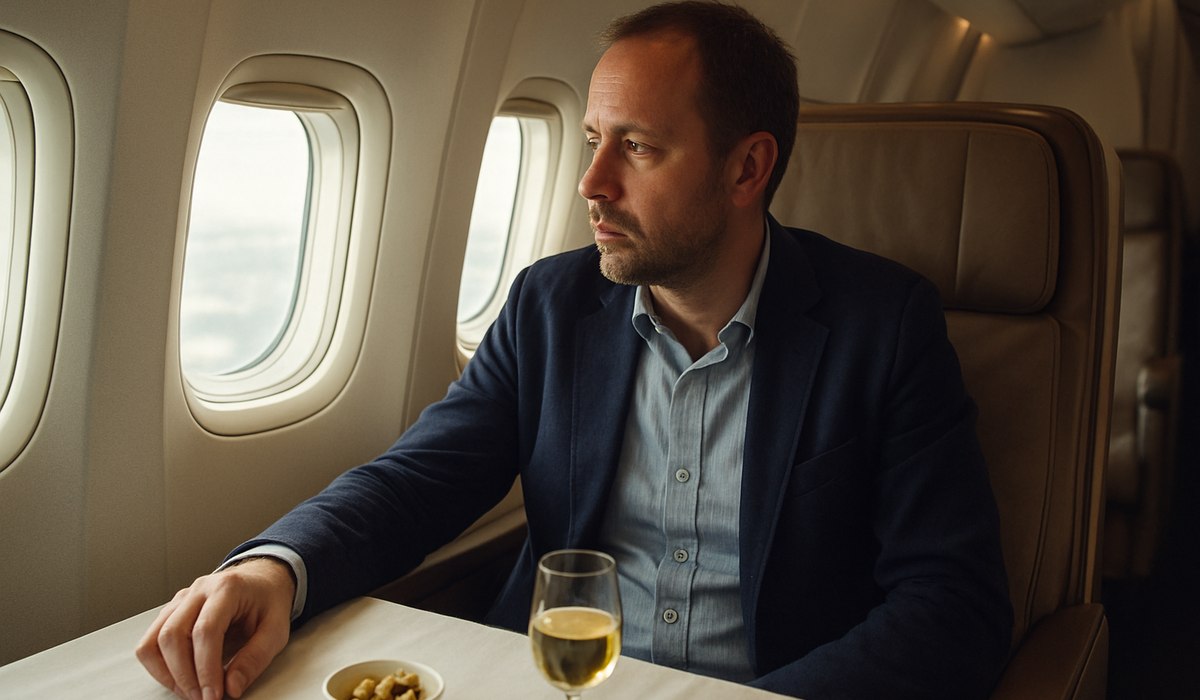
Image generated by AI
Here's What Passengers Will Lose When Airlines Kill First Class Forever
First class cabins are no longer disappearing quietly into the night. Instead, the entire cabin class is being systematically redesigned out of most aircraft configurations. Thai Airways has made this transition particularly explicit, with the airline's CEO, Chai Eamsiri, confirming that the carrier will phase out its remaining First Class cabins within the next two to three years and realign its offerings around Business, Premium Economy, and Economy classes.
The Quiet Death of an Icon
The elimination of first class represents far more than just a cabin restructuring. It signals the end of an era when airlines competed fiercely on luxury amenities and exclusive experiences. What once represented the pinnacle of air travel—a symbol of status, comfort, and unparalleled service—is being traded away for a more streamlined, economically efficient model.
This shift isn't isolated to Thai Airways. Major carriers across Asia, Europe, and the Middle East are reevaluating their cabin configurations. The writing has been on the wall for years, but the industry is now moving decisively toward a two-cabin or three-cabin structure that leaves no room for the traditional first class experience.
What's Actually Being Lost
When first class disappears, passengers lose considerably more than just a premium seat. Here's what will vanish from the aviation landscape:
Exclusive Lounges and Priority Services
First class passengers have long enjoyed access to the most exclusive airport lounges, complete with gourmet dining, spa facilities, and personalized concierge services. Business class lounges simply cannot replicate the exclusivity and attention to detail.
Bespoke In-Flight Experiences
From personalized meal service to hand-selected wine pairings curated by sommeliers, first class offered a level of customization that business class approximates but never truly matches. The service standards were simply incomparable.
Superior Seating and Privacy
First class cabins featured some of the most innovative seat designs in aviation history—fully enclosed suites on some aircraft, beds on others. These weren't just seats; they were mobile hotel rooms designed for ultimate privacy and comfort.
Direct Aisle Access
Many first class cabins were positioned at the front of the aircraft with direct aisle access on both sides. This meant no waiting, no bottlenecks, and no interaction with the general passenger flow.
Priority Everything
From boarding to baggage handling to ground transportation, first class passengers enjoyed genuine priority treatment at every step of their journey. This level of service coordination is difficult to replicate in a business class environment.
Why Airlines Are Making This Decision
The economics are straightforward. First class cabins require significant space but generate relatively modest revenue compared to business class. With the rise of premium economy and enhanced business class products, airlines have discovered they can capture nearly as much revenue while serving significantly more passengers.
Additionally, the COVID-19 pandemic fundamentally shifted business travel patterns. Corporate travel policies became stricter, and many companies questioned whether first class was justifiable. Remote work reduced the necessity for frequent business travel altogether, eroding one of first class's core customer bases.
The investment required to maintain competitive first class products—from premium catering to cabin crew training to regular refurbishment—has become increasingly difficult to justify when business class can deliver comparable satisfaction at better profit margins.
The Business Class Compromise
What airlines are banking on is the assumption that an enhanced business class product can satisfy most of their premium passengers. And to a degree, they're right. Modern business class seats with direct aisle access, lie-flat capabilities, and premium dining services do offer remarkable comfort.
However, there's a qualitative difference between business class and true first class. Business class is efficient and comfortable; first class was indulgent and exclusive. One is a service; the other was an experience.
What This Means for Frequent Flyers
For elite frequent flyers and those with first class aspirations, the implications are clear. The ladder is being shortened. Without first class, the top rung is now business class, and the gap between business and premium economy is widening rather than narrowing.
Loyalty programs will need to adjust their elite tier benefits accordingly. The prestige of reaching first class status—once the holy grail of frequent flyer aspirations—will be replaced with enhanced business class perks that feel less distinctly premium.
A Bittersweet Farewell
The phase-out of first class represents a practical business decision clothed in economic necessity. But it also marks the end of a particular vision of air travel—one where luxury and exclusivity were paramount, where service could be lavish without justification, and where the journey itself was as important as the destination.
Future passengers will experience excellent business class products, but they'll never know the particular magic of stepping into a true first class cabin. They'll enjoy premium comfort without the element of pure indulgence that once defined flying's most exclusive tier.
The golden age of first class isn't ending with a bang; it's ending with quarterly earnings reports and route optimization analyses. And somehow, that feels like the least luxurious goodbye imaginable.
FAQ
Q: Will first class disappear completely from all airlines? A: While major carriers are phasing out first class, some airlines—particularly long-haul specialists and ultra-premium carriers—may continue to offer it. However, the trend is unmistakably toward elimination or consolidation into business class.
Q: Is business class a suitable replacement for first class? A: Business class is more comfortable than economy and offers excellent amenities, but it doesn't replicate the exclusivity and personalized service that true first class provided. It's an alternative, not an equivalent.
Q: How will this affect frequent flyer programs? A: Frequent flyer elite tiers will need to be restructured. Awards and status benefits will likely focus more heavily on business class perks and premium economy upgrades rather than first class access.
Q: Are there any airlines keeping first class? A: Some carriers, particularly in the Middle East and certain Asian airlines, may maintain first class offerings. However, even these airlines are increasingly questioning the product's viability.
Q: When will first class be completely gone? A: Thai Airways plans to phase out first class within two to three years. Other carriers will follow gradually, with complete elimination likely taking place over the next decade across most major airlines.
Disclaimer
This article is for informational and educational purposes only. It does not constitute legal, financial, or professional advice. While we strive to provide accurate and up-to-date information, travel policies, regulations, and conditions change rapidly. Always verify information with official sources before making travel decisions. Nomad Lawyer makes no representations about the accuracy, reliability, completeness, or suitability of the information provided. Readers should consult qualified professionals for advice specific to their circumstances. The views expressed in this article are those of the author and do not necessarily reflect the views of Nomad Lawyer.
Raushan Kumar
Founder & Lead Developer
Full-stack developer with 11+ years of experience and a passionate traveller. Raushan built Nomad Lawyer from the ground up with a vision to create the best travel and law experience on the web.
Learn more about our team →